
Training your Shiba Inu baby
Shiba Inus, these adorable Japanese furballs, are becoming increasingly popular as pets. Their lively personality and charming appearance make them ideal pets for many families. Training a Shiba Inu puppy can be a challenge because they tend to be independent and stubborn.
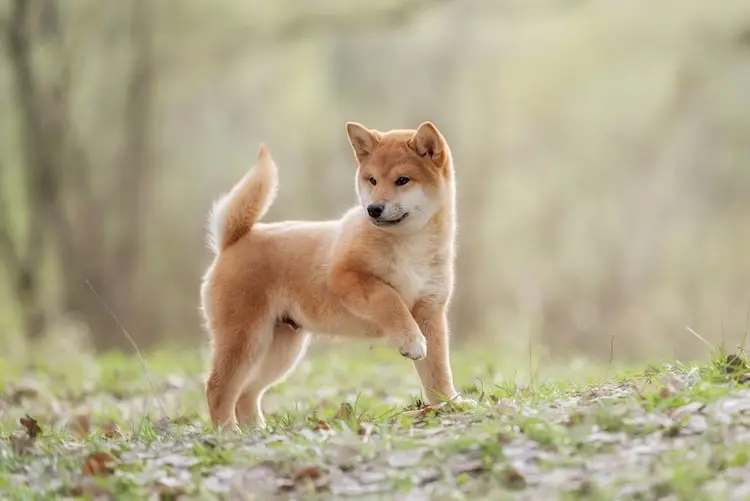
Understanding the Shiba Inu Breed
Before delving into training, it’s essential to understand the Shiba Inu breed. These dogs are known for their fearless character, intelligence, and energetic nature. They can be reserved towards strangers and have a strong personality. Training your Shiba Inu is a crucial step in ensuring harmonious coexistence between you and your dog. Here are 8 key points to consider for your Shiba Inu’s education, although this list is not exhaustive and may vary based on your dog’s individual needs:- Housebreaking your Shiba Inu: Housebreaking is a fundamental step. It requires patience and consistency in the training process.
- Response to commands: Teaching your Shiba Inu basic commands like “sit,” “down,” and “come” is essential for their safety and obedience.
- Bite management for Shiba Inus: Since puppies tend to nibble, it’s important to teach them not to bite too hard and to control their bite.
- Learning to be alone: Shibas can be independent, but it’s important to gradually accustom them to solitude to prevent separation anxiety.
- Socialization and walks: Expose your Shiba Inu to different situations, environments, and people from a young age to encourage positive socialization.
- Interactions with other dogs: Interactions with other dogs are important for developing social skills. Ensure that these encounters take place in a controlled manner.
- Veterinarian and Shiba Inu: Get your dog accustomed to visits to the vet from a young age for regular health check-ups.
- Children and Shiba Inu: If you have children, teach them how to interact safely with your Shiba Inu, and ensure that your dog is comfortable in their presence.
3 Key Things to Remember About Puppy Food
Three essential things to remember about LOF (Livre des Origines Français) for dogs, including Shiba Inus:Dietary Adaptation
Adapt your Shiba Inu puppy’s diet based on their age, size, and activity level. Nutritional requirements change as they grow.Nutritional Balance
Ensure that your Shiba Inu puppy’s diet is balanced. This means it should contain high-quality proteins, healthy fats, moderate carbohydrates, and vegetables and fruits for vitamins and minerals.Caution with Treats
Treats are used to reward your puppy, but don’t use them excessively. Too many treats can lead to excessive weight gain and health issues.
Housetraining Your Shiba Inu
Here are some tips and options to consider for ensuring a balanced diet:- Ensure that your puppy always has access to clean water. Hydration is crucial for their health.
- Incorporate sources of high-quality proteins such as lamb, chicken, poultry, and fish into their diet. However, be cautious of fish bones.
- Puppy-specific kibble containing fish and/or meat is a convenient and balanced option.
- Cheese can be a beneficial addition to your puppy’s growth, but be mindful not to overfeed it.
- Fresh, raw eggs can also be included in your puppy’s diet, mixed with other foods. One egg per week is a reasonable suggestion.
Preparing the Environment
Before your Shiba Inu puppy arrives, make sure to create a suitable environment. This involves childproofing your home by removing hazardous objects, getting essential supplies like a comfortable bed and toys, and establishing a safe space where your puppy can feel at ease. When bringing a new puppy home, it’s crucial to prepare the environment for their arrival. Start by identifying the areas in your home where your Shiba Inu will spend most of their time. Ensure that these areas are safe by removing anything that could be dangerous for a curious puppy. This includes household chemicals, accessible electrical wires, and small, sharp objects. Provide your puppy with a comfortable space to rest and feel secure. A cozy bed and age-appropriate toys are essential. Leave room for them to move around freely.Early Socialization
Early socialization is crucial for your Shiba Inu’s development. Expose your puppy to various situations, people, and other animals from a young age. This will help prevent aggressive behavior and shyness in the future. A puppy’s socialization period is crucial for their development and typically occurs between 3 weeks and 14 weeks of age. During this time, the puppy is more receptive to new experiences and social interactions. Therefore, it’s essential to take advantage of this window of opportunity to expose your Shiba Inu to different situations and stimuli. This includes introducing them to various people, including adults, children, and strangers. Ensure that these encounters are positive and not stressful for your puppy. Reward them for calm and friendly behavior in the presence of others.


Aiko & Lucas
In the car, off to Saint Gaudens, to get a Shiba Inu. That's where I first saw Aïko at a breeding place called "La maison du Shiba."
It was the beginning of an incredible adventure, and today, Aïko is a traveling Shiba: 🇫🇷 🇧🇪 🇨🇦
And no, it's not a joke!
I'm Lucas Fonseque, a digital nomad and SEO expert consultant. Besides work in my life, I have my Shiba Inu whom I love more than anything: Aïko 🦊 ❤️
Establishing a Routine
Shiba Inus thrive in a structured environment. Set a consistent routine for meals, walks, and training sessions. This will help your puppy feel secure and predictable. Establishing a routine is crucial for your Shiba Inu’s training. These puppies need to know what to expect in their environment to feel safe and relaxed. Create a consistent schedule for meals, walks, playtime, and training sessions. Meals should be provided at regular times to help regulate your puppy’s digestive system. Walks should also follow a schedule, preferably during times when your puppy is most active. By establishing a routine, you help your puppy understand what is expected of them, making learning easier.Basic Obedience
Teach your Shiba Inu puppy basic commands such as “sit,” “down,” and “come.” Use positive rewards to reinforce desired behaviors. Basic obedience is a crucial part of training your Shiba Inu. By teaching them basic commands like “sit,” “down,” “stay,” and “come,” you strengthen the bond between you and reinforce their obedience. Use positive reinforcement, rewarding your puppy with treats, praise, and affection each time they correctly follow a command. Be consistent in your instructions and use simple, clear words for commands. Patience and repetition are key for your Shiba Inu to understand and obey commands.Behavior Management
Understand that Shiba Inus can be stubborn. Use behavior management to prevent undesirable behaviors. Shiba Inus have a reputation for being stubborn and independent, which makes behavior management essential. It’s important to prevent undesirable behaviors from the start and establish clear rules for your puppy. Behavior management involves creating an environment where your puppy cannot behave inappropriately. For example, if your Shiba Inu is prone to chewing objects, make sure to keep those objects out of their reach. Use barriers to prevent access to areas of the house where you don’t want them to go. When your puppy behaves well, reward them. If undesirable behaviors occur, redirect their attention to appropriate activities.Adequate Exercise
Shiba Inus are energetic and require daily exercise. Make time for walks and physical activities. Shiba Inus are an energetic breed that needs daily exercise to stay happy and healthy. Regular walks are essential to meet their need for energy expenditure. Plan for at least one to two walks per day, ensuring they are long enough for your puppy to get their energy out. In addition to walks, provide active play sessions to mentally stimulate your Shiba Inu. They enjoy interactive toys that challenge them mentally, such as food puzzles. Make sure to also give them plenty of time to run and play outdoors. A well-exercised Shiba Inu is more likely to behave appropriately at home and avoid developing destructive behaviors.

Subscribe and save 20% on your first order 🎁
Proper Nutrition
Consult your veterinarian to determine the best diet for your Shiba Inu puppy. Make sure to follow the nutritional recommendations. Diet is an essential element of your Shiba Inu’s health. Consult your veterinarian to determine the best diet for your puppy based on their age, size, and specific needs. Shiba Inus tend to gain weight easily, so it’s important to follow nutritional recommendations to prevent obesity. Opt for high-quality food, preferably formulated for the specific needs of puppies. Make sure to follow the recommended portions and avoid overfeeding treats. A balanced diet will contribute to the growth and well-being of your Shiba Inu.Regular Healthcare
Schedule regular visits to the veterinarian for vaccinations, health check-ups, and dental care. Regular healthcare is essential to maintain your Shiba Inu’s health. Schedule regular visits to the veterinarian for vaccinations, health check-ups, and dental care. Your veterinarian can also advise you on parasite prevention and routine care. Dental care is particularly important as Shiba Inus are prone to tartar buildup. Brush your puppy’s teeth regularly and consider professional dental cleanings if needed. Make sure to follow the vaccination schedule recommended by your veterinarian to protect your Shiba Inu from common diseases.Managing Aggression
If your Shiba Inu displays signs of aggression, seek assistance from a professional dog behaviorist. Aggression can be an issue in some Shiba Inus, especially if they are not properly socialized or their exercise needs are not met. If your puppy shows signs of aggression towards other dogs or people, it’s essential to take steps to address this issue. The first step is to consult an experienced dog behaviorist. They can assess your dog’s behavior and develop an appropriate treatment plan. Do not attempt to manage your Shiba Inu’s aggression on your own, as it could worsen the problem.Continuous Training
Training your Shiba Inu is an ongoing process. Continue to reinforce positive behaviors and work on challenges. Be open to learning and adapt your approach based on your puppy’s changing needs.Patience is Key
Remember that training a Shiba Inu can be frustrating at times. Patience is essential for success. Keep in mind that every dog is unique, and there may be specific challenges with your pet. Stay calm, consistent, and compassionate in your approach.Rewards and Love
Reward your puppy with affection, treats, and love to strengthen the bond between you. Shiba Inus respond well to positive rewards. By creating a positive association with obedience and desired behavior, you will foster a strong and harmonious relationship with your puppy.Learning to Be Alone
Teaching a Shiba Inu to be alone is crucial for their well-being and to prevent undesirable behaviors in your absence. An effective method is to simulate departures by leaving the room for a few seconds and then returning. Repeat this exercise to gradually accustom your dog to being alone. With time and patience, your Shiba Inu will adapt to solitude with more serenity.Veterinarian and Shiba Inu
A simpler approach is to gradually acclimate your Shiba Inu to gentle examinations performed by unfamiliar people, such as your friends or family. You can check areas like the ears, tail, jaw, and other parts of their body. If your Shiba shows some anxiety during these “examinations” by strangers, don’t hesitate to reward them for calm and cooperative behavior. If your dog doesn’t have specific issues, these exercises may not be strictly necessary but can be useful to familiarize them with gentle handling.Children and Shiba Inu
We are aware of the potential risks when children interact with dogs. Children, sometimes prone to being boisterous, can trigger undesirable reactions in dogs, which can sometimes lead to dangerous situations. It is imperative to avoid such incidents! When you have a Shiba Inu puppy, it’s essential to introduce them to the presence of children while maintaining attentive supervision. This approach helps create a harmonious and safe relationship between your puppy and children. During interactions, ensure that children are calm and respectful toward the dog. Constant supervision is necessary to ensure the safety of all family members, including your precious four-legged companion. 😊Final Thoughts: Feeding Your Shiba Inu Puppy
By carefully following these nutritional tips and providing quality nutrition, you can ensure the health and well-being of your Shiba Inu puppy. Remember that each puppy is unique, so adapt their diet based on their individual needs. By investing time and attention in your puppy’s nutrition, you are giving them the best chance to grow up healthy and happy. Also, keep in mind that the relationship you build with your puppy goes beyond food. Love, affection, and training play an essential role in their development. Make sure to spend quality time with your Shiba Inu, socialize them, and provide the love and attention they need to become a well-balanced dog. In the end, feeding your Shiba Inu puppy is one of the essential aspects of their life, but it’s also an opportunity to strengthen your bond and create unforgettable memories with your new companion. So, take care of your Shiba Inu puppy and enjoy this rewarding journey together.Puppy training FAQs
What is the ideal age to start training a Shiba Inu?
It’s best to begin training at around 8 weeks of age when the puppy is still receptive to new information.
Should positive reinforcement training be used with a Shiba Inu?
Yes, the positive reinforcement training method, which involves the use of rewards and positive reinforcements, is generally the most effective with Shiba Inus.
How long does it take to train a Shiba Inu?
The duration varies depending on the dog and the consistency of training. It can take anywhere from a few months to a year to achieve optimal results.
How to handle aggression in a Shiba Inu?
The best approach is to consult a professional dog behaviorist to assess and treat aggression appropriately.
What type of exercise is recommended for a Shiba Inu?
Shiba Inus require energetic exercise such as long walks, active play, and mentally stimulating activities.