
Akita Inu
In this in-depth exploration of the Akita Inu, we will delve into the fascinating history of the Akita Inu, its unique characteristics, care needs, behavior, health, as well as the pros and cons of having it as a loyal companion.
You will also discover essential information about choosing the Akita Inu as a pet, including precautions to take when it comes to children or other animals.
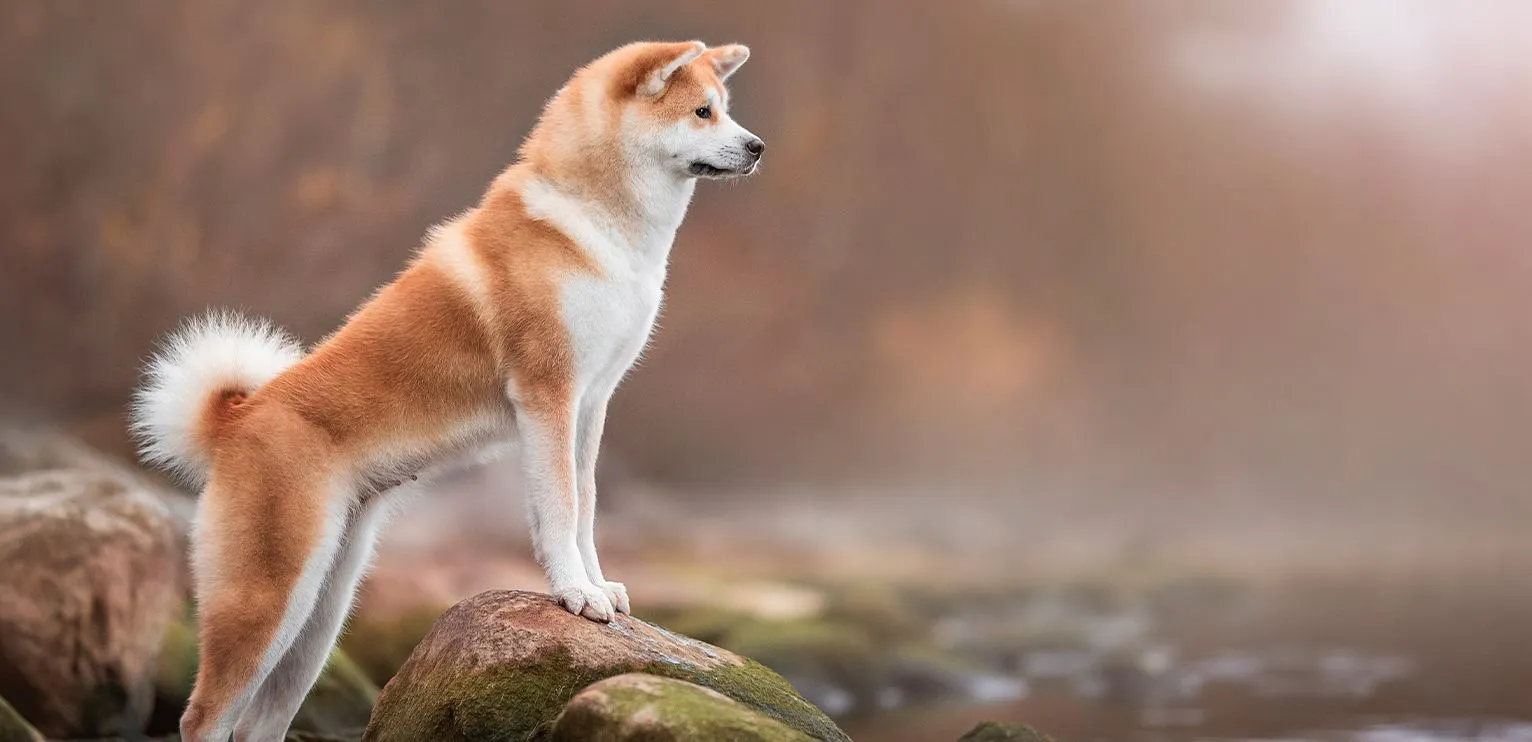
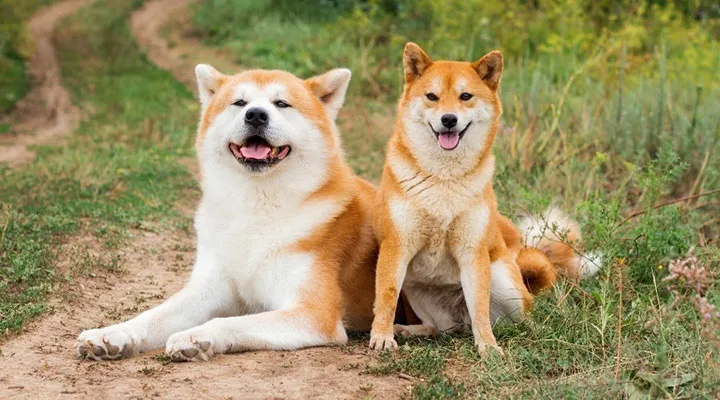
The Akita Inu is a noble and large Japanese working dog, known for its loyalty and courage. It is distinguished by distinct physical characteristics, including a short and dense double coat, a muscular neck, triangular erect ears, and a fluffy, curled, and straight tail, giving it the appearance of a large, cuddly teddy bear.
Overall, the Akita is a thoughtful, determined, and calm dog, although it barks when necessary. It proves to be an excellent protector and a cherished companion, but it is generally not recommended as a family dog in the presence of young children and other animals.
Overview of the Akita Inu Breed
- GROUP: Working SIZE: Between 66 to 71 centimeters for males; between 61 to 66 centimeters for females
- WEIGHT: From 45 to 59 kilograms for males; from 32 to 45 kilograms for females
- COAT: The coat is short, dense, and double, although some Akitas may have a recessive gene that gives them a long coat.
- COAT COLOR: Coat colors include brindle and pinto, with distinct white markings.
- LIFESPAN: Approximately 10 to 13 years
- TEMPERAMENT: The Akita is affectionate, loyal, independent, and protective.
- HYPOALLERGENIC: No ORIGIN: Originated in Japan
Akita Inu Characteristics
While the Akita Inu can be surprisingly gentle and affectionate with its family, it is best suited for adoption by an experienced owner without toddlers or other dogs at home. If you live in a small space and believe that the Akita is the right breed for you, you will have a loyal and endearing companion for life. It is a true friend you can rely on.| Akita Inu Characteristics | Level |
|---|---|
| Affection Level | High |
| Friendliness | Low |
| Good with Kids | Low |
| Good with Pets | Low |
| Exercise Needs | High |
| Playfulness | High |
| Energy Level | High |
| Trainability | Moderate |
| Intelligence | Moderate |
| Barking Tendency | Low |
| Shedding Level | High |
3 Things to Remember About the Akita
The Akita Inu, this majestic dog breed originating from Japan, embodies both the nobility and mystique of the Japanese archipelago. Here are 3 things to remember:Legendary History
The Akita Inu is a Japanese breed with a history steeped in legends and symbolism. They were once revered as sacred guardians and symbols of good fortune in Japan.Enigmatic and Silent
Unlike some more expressive breeds, the Akita is often calm and silent, only barking when necessary, making it an enigmatic dog.Double Coat
Akita Inus have a double coat, with a thick outer layer and a soft inner layer. This makes them well-suited for cold climates but requires regular grooming to keep their coat in good condition.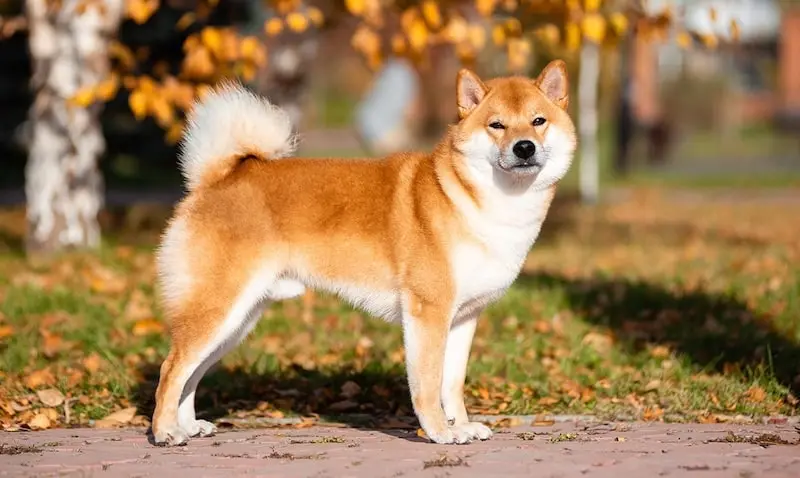
History of the Akita
The Akita Inu, a breed originating from Japan, gets its name from the region where it was born. This breed was developed to serve as a versatile guard and hunting dog in the mountains of northern Japan, where it has a historical presence dating back several centuries. In a traditional sense, the Akita was associated with health and good fortune for the Japanese people. This is why Japan granted the Akita Inu the status of a Japanese natural monument in 1931, followed by the establishment of a breed standard in 1934. The history of this breed has seen tumultuous periods, including during World War II and times of scarcity in Japan when the government ordered the culling of all Akitas. Some of them were saved by being released into the mountains or by crossbreeding their lineage with German Shepherds. After the war, significant efforts were made to restore the purity of the breed through selective breeding from the surviving stock while eliminating inherited characteristics from crossbreeding with other breeds.Subscribe and save 20% on your first order 🎁
Caring for Akita Inus
Akitas are sturdy dogs! These pups are muscular, powerful, and they have a good dose of athleticism in their paws. So, if you’re thinking of adopting an Akita, get ready to lace up your sneakers and provide them with serious training. And be prepared for some serious shedding, as they seem to participate in a shedding contest. You’ll need to be a master groomer. Interestingly, Akitas have a bit of a cat-like side to them. After a meal, they like to have a little grooming session. That’s their own little habit. Plus, they’re not big fans of extreme heat, with their thick coat, it’s like they’re wearing a coat all year round. So, you’ll need to keep a close eye on them when the mercury rises. But don’t worry, with an Akita by your side, you’ll have a strong-willed companion always ready to support you, even if you have to deal with a few extra hairs!Exercices
This breed is full of energy, so get ready to be active with your Akita! They require about 30 to 60 minutes of exercise per day, which translates to one or two brisk walks. However, be cautious when taking them to a dog park, as they can sometimes display aggressive tendencies towards other dogs.
If your Akita gets bored or is left alone too often, they may develop destructive habits. So, keep them stimulated and provide plenty of interaction and attention. With some planning and love, your Akita will stay happy and healthy. So, get ready to move and have fun with your loyal four-legged companion! 🐾💪
Grooming
The Akita Inu’s coat is interesting in many ways. It consists of a stiff, straight outer coat, beneath which lies a soft, thick undercoat. However, this breed has a peculiar characteristic: it sheds its coat at a relatively high rate and can undergo excessive shedding about twice a year.
To care for their coat, basic grooming is sufficient. Weekly brushing helps maintain coat health and reduces shedding. However, it’s important to note that during periods of heavy shedding, more frequent brushing will be necessary. So, grab your brush and give your Akita a little pampering while reducing the amount of fur left around the house. 🐕🧼
Training
Training Akitas is quite an adventure. They are undeniably intelligent but also have their strong-willed nature. To turn your Akita into a well-behaved dog, obedience and effective socialization are the keys to success. It’s a challenge, but it’s also a necessity.
Early socialization is essential for this breed. Akitas have a natural inclination for hunting, can be wary of strangers, and their interactions with other dogs may not always be smooth. So, from a young age, expose them to different situations, people, and dogs to help them develop good social skills.
Training an Akita is, therefore, a journey that requires patience, perseverance, and a lot of love. But when you see the best traits of your canine companion shining through, all that effort will be more than worth it.
Our Products for Shiba Fans
Are you a true enthusiast of adorable Shibas? So are we! That's why we've carefully curated a range of products designed to delight all lovers of this breed.
Discover below our selection of unique and high-quality products, perfect for showcasing your love for Shibas or spoiling your loyal four-legged companion.


Common Health Issues
Absolutely, it’s super important to talk about the health of our four-legged friends. Responsible breeders do an excellent job following breed standards, such as those from the AKC. It helps minimize health concerns, but sometimes, genetics can play tricks. Here are some health issues to keep in mind for our lovely Akitas:- Hip Dysplasia: Yeah, it’s a hereditary thing that can cause arthritis and mobility issues. We avoid breeding dogs affected by it.
- Gastric Dilatation-Volvulus: It’s a bit like the “eat-too-much-too-fast” syndrome. The stomach inflates like a balloon, sometimes even twists, it’s serious, a medical emergency.
- Hypothyroidism: A sluggish thyroid gland. But often, we can manage it with the right food and meds.
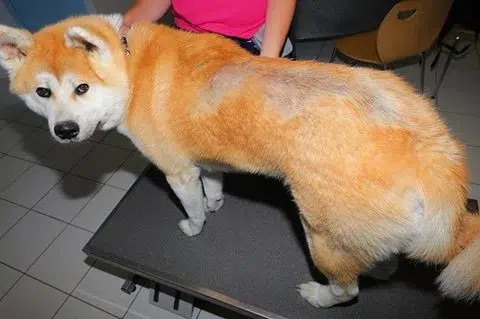
- Sebaceous Adenitis (SA): It’s a bit of a weird skin thing specific to Akitas. It can cause hair issues, but it’s worth paying attention to.

Aiko & Lucas
In the car, off to Saint Gaudens, to get a Shiba Inu. That's where I first saw Aïko at a breeding place called "La maison du Shiba."
It was the beginning of an incredible adventure, and today, Aïko is a traveling Shiba: 🇫🇷 🇧🇪 🇨🇦
And no, it's not a joke!
I'm Lucas Fonseque, a digital nomad and SEO expert consultant. Besides work in my life, I have my Shiba Inu whom I love more than anything: Aïko 🦊 ❤️
Diet and Nutrition
Akita Inu puppies grow like weeds! So, to prevent them from growing too fast, high-quality and not overly calorific food is the key. Adult Akitas, on the other hand, have two meals a day, totaling three to five cups of kibble. The important thing is to keep an eye on their weight, and if there are specific needs, it’s time to check in with the vet. We want our Akitas to be in great shape!Where to Adopt or Buy an Akita
Before you embark on the quest for an Akita Inu, there’s an important piece of information I need to share with you. Generally, breeders and rescue groups are a bit cautious about placing these little guys in homes with young kids. It’s a somewhat unique breed, you see. 😅 The Akita Club of America can be a good starting point if you’re looking for a puppy. They have a list of member breeders in the United States, Canada, and even Spain. If you’d rather give a chance to a distressed Akita, local rescue groups are the way to go. You can also explore the Akita Club of America Rescue and the Namaste Akita Rescue Alliance to find your future four-legged buddy. Now, let’s talk money. Akitas don’t come cheap. On average, you should expect to pay between 1,000 and 1,600 dollars for a puppy. But if you’re aiming for the cream of the crop, from parents who’ve won competition medals, it can go up to 3,000 dollars. If you’re lucky enough to find an Akita Inu looking for a new home, then you might save a bit on adoption fees.Advantages and Disadvantages of the Akita Inu
Like all dog breeds, the Akita Inu has its unique characteristics, with advantages and disadvantages to consider. If you’re thinking of adopting an Akita Inu, it’s important to understand these aspects to ensure that this breed aligns with your lifestyle. In this section, we will explore the advantages that make the Akita an exceptional companion, as well as potential challenges related to their training and behavior. Here are some advantages and disadvantages of the Akita:Avantages
Drawbacks
Final Thoughts: Is the Akita the Right Dog for You?
The Akita Inu is a breed of dog originating from Japan, known for its nobility, loyalty, and courage. They have a distinctive appearance with a double coat, erect ears, and a curled tail, making them resemble large teddy bears. On the plus side, Akitas are dignified, courageous, and deeply loyal to their families. They are also intelligent and easy to train once they understand what you expect from them. Their loyalty is exemplified by the legendary story of Hachiko, an Akita who waited for his owner at the train station for nine years after his owner’s death. However, there are also challenges to consider. Akitas tend to shed abundantly, requiring regular grooming. They can be stubborn and sometimes challenging to train, requiring patience and consistency. Additionally, they have a tendency towards dominance and may be aggressive towards other dogs, necessitating early socialization and proper management. In terms of health, there are hereditary issues to watch out for, such as hip dysplasia, gastric dilatation-volvulus, hypothyroidism, and sebaceous adenitis. However, by working with responsible breeders and ensuring a high-quality diet, some of these issues can be minimized. In conclusion, the Akita Inu is an impressive breed with many positive qualities, but it requires an experienced owner willing to tackle the challenges associated with their training and behavior. With love, patience, and proper management, the Akita Inu can become a loyal and devoted companion for life. Be sure to do thorough research and work closely with professionals to ensure the well-being of your Akita Inu and provide them with a happy and healthy life. 🐾❤️FAQ
Are Akitas Inus good with children?
They can be gentle with children if properly socialized and trained from a young age. However, due to their protective and independent nature, careful supervision is essential during interactions between an Akita Inu and children to prevent any undesirable behavior. Compatibility also depends on the individual personality of the dog and the training it has received. We recommend considering an Akita if you have a house, even if you have an apartment with a garden. It’s important to think carefully before purchasing one.
Is the Akita Inu recommended for new dog owners?
The Akita Inu is not generally recommended for new dog owners due to its independent personality and training requirements. This breed may be better suited to experienced dog owners who are willing to invest time and effort in its training and socialization.
Does the Akita Inu get on well with other dogs?
The Akita Inu often has a dominant personality and may have compatibility issues with other dogs, especially of the same sex. However, early socialization, proper training, and managing interactions with other dogs can help promote positive relationships. You should carefully monitor interactions and take steps to prevent conflicts. Each dog has a unique personality, so compatibility with other dogs can vary.
How to train an American akita?
To train an American Akita, start early with socialization and use positive reinforcement. Be consistent, teach basic commands, manage undesirable behaviors, ensure physical and mental exercise, and be patient and persistent. Ongoing socialization is essential, and in case of difficulties, consider seeking help from an experienced professional trainer familiar with this breed.
How much does an akita cost?
What age should an Akita inu be castrated?
Generally, early neutering, at around 6 to 9 months of age, is common to prevent unwanted reproduction and behavior issues related to sexual dominance.
What age can a mal akita reproduce?
What to feed your Akita
It’s important to choose high-quality food specially formulated for large breed dogs. Consult your veterinarian for personalized recommendations based on your Akita’s age, weight, and specific needs. Opt for quality kibble with good protein sources, avoid unnecessary grains, and artificial additives. Good nutrition will ensure their overall health and a shiny coat!
Difference between Akita and Spitz
The Akita Inu and the Spitz are two distinct Japanese dog breeds. The Akita is generally larger with a powerful build, while the Spitz is smaller and has a lighter appearance. Akitas have a loyal, calm character and can be reserved around strangers, whereas Spitz dogs are typically more sociable and friendly.
Diseases among Akitas
The diseases affecting Akitas are similar to those that affect many other dog breeds. However, they are particularly predisposed to certain health conditions, including hip and knee problems, eye issues, skin allergies, and heart problems. It’s essential to regularly consult a veterinarian to monitor your Akita’s health and take preventive measures such as screening for hereditary diseases.