
Shiba growling and aggression
Shiba Inus are wonderfully unique and intelligent dogs, but like any breed, they can exhibit behaviors that can confuse their owners.
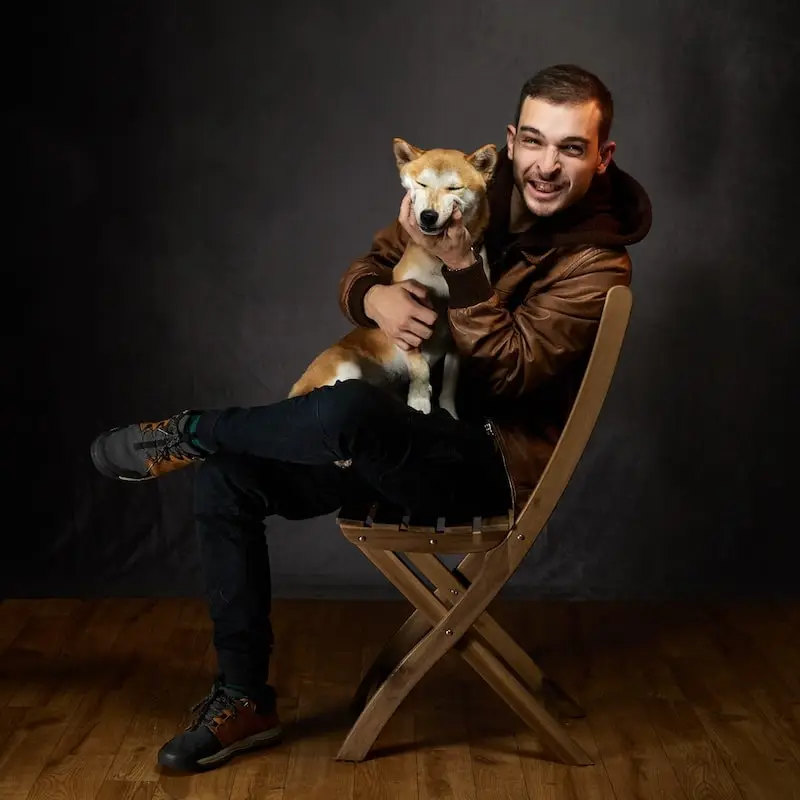
One of these behaviors is growling and aggression, which can be a concerning topic for many Shiba Inu enthusiasts.
In this article, we will delve into the world of growling and aggression in Shiba Inus, exploring the causes, signs, and methods to understand and manage these behaviors effectively and compassionately.
Happy reading! 🦊
Understanding Growling in Shiba Inus
Understanding growling in Shiba Inus is essential for interacting appropriately with these dogs. Growling is a form of communication in Shiba Inus, much like it is in many other dog breeds. It can mean different things depending on the context and the dog’s emotional state. In this section, we will explore why Shiba Inus growl and common situations in which it occurs.Why Do They Growl?
Growling is a means of communication that Shiba Inus use to express a range of emotions and feelings. Here are some common reasons why a Shiba Inu may growl:- Discomfort: Growling can indicate that the dog feels uncomfortable in a particular situation. This can be due to factors such as physical pain, discomfort, or fear.
- Fear: Shiba Inus, despite their strong personalities, can sometimes be timid or feel threatened. Growling may be their way of signaling fear or anxiety.
- Frustration: When something doesn’t go as expected, a Shiba Inu may growl to express frustration. This can happen, for example, when you restrain them from exploring something.
- Resource guarding: Dogs are naturally protective of their resources, such as food, toys, or personal space. A Shiba Inu may growl to indicate that they don’t want to share or feel threatened in their comfort zone.
- Communication: Growling can also be a form of communication among dogs. In a group of dogs, growling can signify different things, from a warning to simple interaction.
Common Growling Situations
Shiba Inus may growl in a variety of situations, including:- When they feel threatened by strangers: Shiba Inus are often reserved towards strangers and may growl to express their distrust.
- When their resources are at stake: Your Shiba Inu may growl if someone tries to take their food, favorite toy, or invades their personal space.
- When they feel uncomfortable: In new or stressful situations, such as vet visits, a Shiba Inu may growl to signify their discomfort.
- During play: It’s important to note that Shiba Inus can also growl during play. This can be a form of playful communication, but it’s essential to monitor overall behavior to ensure it remains friendly.



Aggression in Shiba Inus
Aggression in Shiba Inus is a behavior that can be concerning for owners of this breed. While Shiba Inus are generally intelligent and affectionate, they can sometimes exhibit aggressive behaviors. In this section, we will examine the underlying causes of aggression in Shiba Inus as well as the signs that may indicate this behavior:Underlying Causes of Aggression
Several factors can contribute to aggression in Shiba Inus. Understanding these causes is essential for better managing this behavior.- Fear: Fear is one of the most common reasons for aggression in Shiba Inus. If a Shiba Inu feels threatened or scared in a given situation, they may react aggressively to protect themselves. For example, when confronted with an unfamiliar environment or strangers they perceive as threatening, they may display aggression as a defense mechanism.
- Dominance: Some Shiba Inus have a dominant personality and may exhibit leadership behavior in their environment. This can lead to aggressive behaviors towards other dogs or even family members if they perceive a challenge to their authority.
- Territoriality: Shiba Inus are naturally territorial, meaning they can become aggressive to defend their personal space or home. If someone or something enters their perceived territory, they may react aggressively to protect it.
- Resource guarding: Resources such as food, toys, or valuable items can trigger aggression if a Shiba Inu feels threatened in possession of these resources. For example, if a child or another animal approaches their food bowl while they’re eating, they may show aggression to protect their food.
- Past Negative Experiences: Dogs that have experienced traumatic experiences or abuse in the past are more likely to develop aggressive behaviors. These experiences can make them wary and quick to respond with aggression as a means of self-defense.
- Anxiety: Anxiety can also be a root cause of aggression in Shiba Inus. Anxious dogs may feel constantly on edge, which can lead them to react aggressively to feel safe.
Signs of Aggression
Signs of aggression can vary in severity, ranging from growling to more serious behaviors. It’s crucial to recognize these signs to intervene appropriately. Here are some common signs of aggression:- Growling: Growling is often the first warning of aggression in Shiba Inus. It’s a means of communication to express discomfort or frustration. It’s essential not to ignore growling, as it’s a signal that the dog is uncomfortable.
- Showing Teeth: Baring teeth is a clear sign of aggression. The Shiba Inu may show their teeth to threaten or signal that they may attack.
- Biting: In more severe cases, an aggressive Shiba Inu may bite. Bites can vary in severity but should always be taken seriously and require immediate intervention.
- Threatening Behavior: An aggressive Shiba Inu may exhibit threatening behavior, such as intense barking, fierce growling, or a dominant body posture. This behavior may be intended to intimidate.

Aiko & Lucas
In the car, off to Saint Gaudens, to get a Shiba Inu. That's where I first saw Aïko at a breeding place called "La maison du Shiba."
It was the beginning of an incredible adventure, and today, Aïko is a traveling Shiba: 🇫🇷 🇧🇪 🇨🇦
And no, it's not a joke!
I'm Lucas Fonseque, a digital nomad and SEO expert consultant. Besides work in my life, I have my Shiba Inu whom I love more than anything: Aïko 🦊 ❤️
How to Respond to Shiba Inu Growling
Responding appropriately to a Shiba Inu’s growling is essential to avoid potentially dangerous situations and to understand your dog’s needs. Here are some tips on how to react when your Shiba Inu growls:- Stay Calm: The first rule is to remain calm. Avoid yelling, panicking, or reacting aggressively in return. Your Shiba Inu is reacting based on their own discomfort or fear, and a negative reaction from you can escalate the situation.
- Do Not Punish: Avoid punishing your Shiba Inu for growling. Growling is their means of communication to express their discomfort, and punishing them may lead them to believe that growling is unacceptable. This could cause them to skip warning signs and move directly to aggressive behaviors.
- Evaluate the Situation: Take a moment to assess the situation. Try to understand what triggered the growling. Is your dog feeling threatened? Is they protecting a resource? Understand the context of the growling to react better.
- Give Space: If your Shiba Inu is growling because they feel uncomfortable, give them space. Step back slowly and allow them to calm down. Do not force interaction or provoke them further.
- Consult a Professional: If your Shiba Inu’s growling becomes frequent or is accompanied by other aggressive behaviors, it’s wise to consult a professional dog behaviorist. They can help you understand the underlying causes and create a plan for managing the behavior positively.
- Continuous Socialization: Early and ongoing socialization of your Shiba Inu is essential to familiarize them with various situations and people. The more comfortable they are in diverse environments, the less likely they will be to growl out of fear or mistrust.
- Positive Training: Use positive reinforcement-based training to teach your Shiba Inu basic commands and appropriate behaviors. Reward them for good behavior rather than punishing undesirable behaviors.
- Consult a Veterinarian: If the growling is accompanied by signs of physical pain or discomfort, consult a veterinarian to rule out any underlying medical issues.

Subscribe and save 20% on your first order 🎁
Tips for Preventing Growling in Shiba Inus
Preventing growling in Shiba Inus is essential for maintaining a harmonious relationship between you and your dog. Here are some tips for preventing growling in your Shiba Inu:- Early Socialization: Start socializing your Shiba Inu from a young age. Expose them to various situations, people, and environments to get them accustomed to new experiences. The more familiar they are with the world around them, the less likely they’ll be to growl out of fear or suspicion.
- Consistent Training: Teach your Shiba Inu basic commands and appropriate behaviors from the beginning. Use positive reinforcement-based training, rewarding desired behaviors rather than punishing undesirable ones.
- Clear Communication: Establish clear communication with your dog using consistent verbal and non-verbal cues. Ensure that your Shiba Inu understands your expectations and boundaries.
- Meet Their Needs: Make sure to address your dog’s emotional and physical needs. A well-exercised, mentally stimulated Shiba Inu who receives enough attention is less likely to exhibit growling behaviors.
- Respect Their Limits: Every dog has personal boundaries. Respect them and avoid pushing them to their limits. If your Shiba Inu shows signs of discomfort, give them space and refrain from subjecting them to situations they find unpleasant.
- Socialize with Other Dogs: Encourage positive interactions with other dogs from a young age. Regular encounters with well-behaved dogs can help prevent aggression toward other animals.
- Supervise Children: If you have children, ensure they understand how to interact respectfully with the dog. Educate them on how to treat the dog gently and respect their resources.
- Consult a Professional: If you observe signs of aggressive behavior or recurrent growling in your Shiba Inu, consult a professional dog behaviorist. They can assess the situation, identify underlying causes, and develop an appropriate management plan.
- Environmental Enrichment: Provide your Shiba Inu with interactive toys, food puzzles, and mentally stimulating activities to prevent boredom and stress.
- Consult a Veterinarian: If growling is accompanied by signs of pain or physical discomfort, consult a veterinarian to rule out any underlying medical issues.
Final Thoughts
Perhaps he is trying to convey messages to you? Understanding growling and aggression in Shiba Inus is essential for building a positive relationship with this unique dog breed. Growling is a natural means of communication for Shiba Inus, and it is crucial to recognize it as such. Reacting with understanding and compassion to the signals your dog is sending is fundamental to their well-being and the prevention of aggressive behaviors. Managing aggression in Shiba Inus requires a thoughtful approach, based on understanding underlying causes and using positive training techniques. By working on early socialization, consistent training, and meeting your dog’s needs, you can help prevent growling and aggression. Lastly, if you are dealing with behavior issues in your Shiba Inu, do not hesitate to consult a professional dog behaviorist or a veterinarian for assistance. They can guide you in managing and resolving these issues effectively and respectfully toward your dog. By adopting a positive approach, fostering communication, and respecting your Shiba Inu’s individual needs, you can create a harmonious and fulfilling environment for both you and your loyal four-legged companion. Mutual understanding and love are the keys to a happy relationship with your Shiba Inu. You can also consider seeking guidance from a canine behaviorist to learn how to address these somewhat primitive issues.

FAQ
Why Does My Shiba Inu Sometimes Growl for No Apparent Reason?
Shiba Inus may growl to express various emotions, even if they are not always immediately evident to us. Growling can be their way of communicating discomfort or frustration that may not be immediately noticeable.
Is My Shiba Inu Growling Because They're Mean?
No, growling is not necessarily a sign of being mean. It’s a means of communication. Shiba Inus can growl for various reasons, including fear, resource guarding, or discomfort.
How Can I Prevent Aggression in My Shiba Inu?
Preventing aggression involves early socialization, positive training, respecting your dog’s boundaries, and addressing their emotional and physical needs. Consulting a professional dog behaviorist can also be helpful in preventing and managing aggression.
What Should I Do If My Shiba Inu Shows Signs of Aggression Towards Other Dogs?
If your Shiba Inu displays aggression towards other dogs, it’s essential to manage these interactions safely. Avoid potentially confrontational situations and consider consulting a canine behaviorist to develop a management plan.
Can My Shiba Inu Be Re-Educated If They've Already Shown Aggression?
Yes, re-education is often possible, but it may require time and patience. A professional dog behaviorist can help develop a re-education plan tailored to your Shiba Inu’s needs and the severity of their aggression. It’s important to work on these issues with a positive and respectful approach.