
Shiba Inu Education
Well-mannered, obedient, and happy – your Shiba Inu needs a solid education due to their intelligence and activity level.
Whether you’re considering adopting a Shiba Inu or already have one, this article will provide you with practical tips for their training.
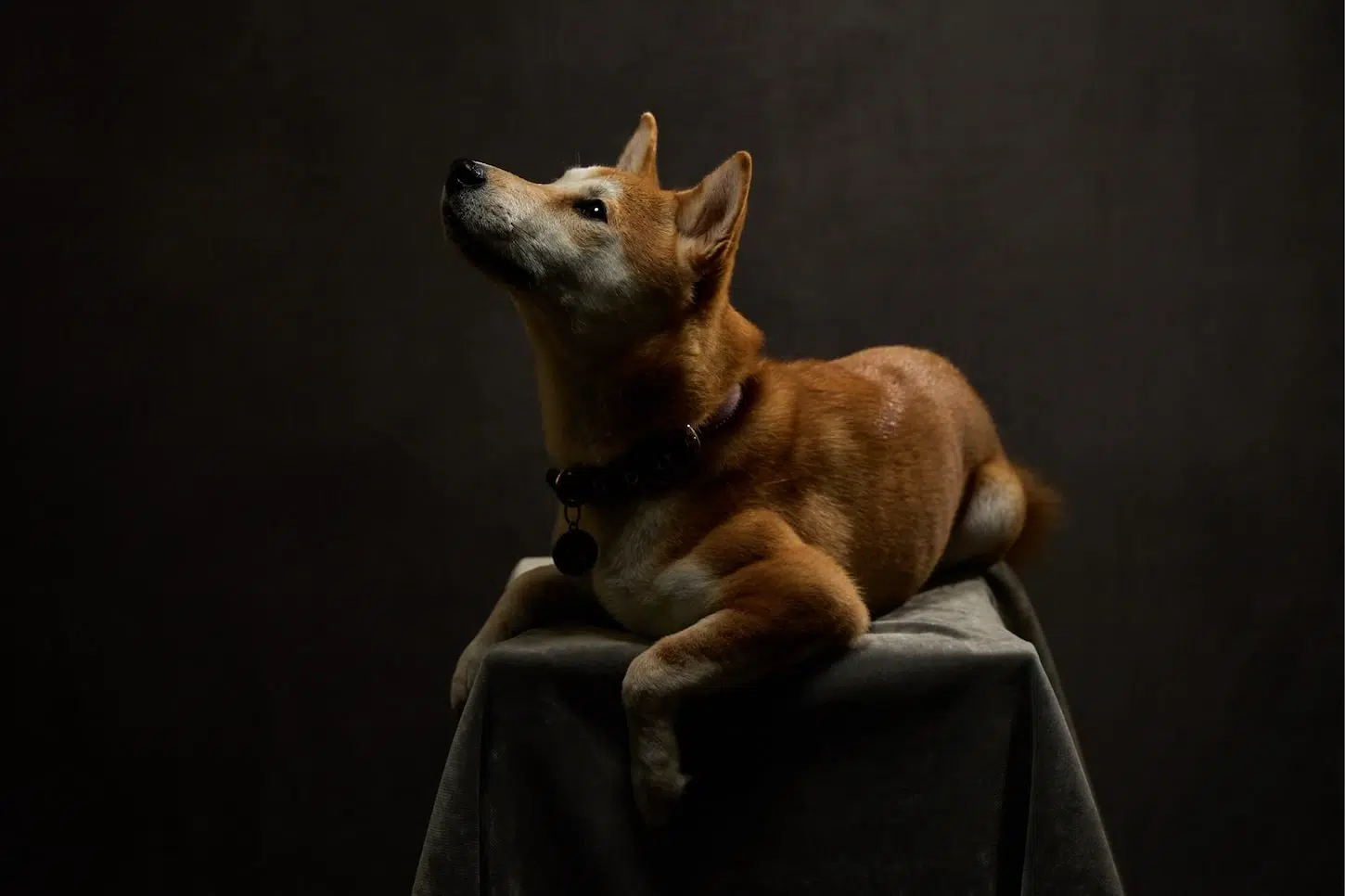
Training a Shiba Inu can be a rewarding process, but it requires time, patience, and consistency. These dogs are known for their independent and stubborn nature, so proper training is essential to help them become well-integrated members of your family.
Start by establishing clear and consistent rules for your Shiba Inu from a young age. Use positive reinforcement methods, such as treats and praise, to reward desired behaviors and discourage undesirable ones. This article aims to provide you with practical tips for training your Shiba Inu so that they become an obedient and well-behaved dog.
1. Basics of Shiba Inu Training
Training begins at a young age and is of crucial importance. It’s essential to establish a strong trust relationship with your dog while teaching basic commands such as “sit,” “lie down,” “stay,” and “come.” Socialization is also a crucial aspect of Shiba Inu training since they tend to be cautious around strangers. Socializing your dog will make them more comfortable in different situations and promote the development of healthy social skills. It’s imperative to start this process as early as possible by exposing your dog to various situations, people, other dogs, different sounds, and textures. Using positive rewards is an effective way to reinforce desired behaviors in your dog, and it’s essential to progress at a pace that suits your pet. If necessary, consider hiring a professional dog trainer to develop a tailored socialization plan and guide you throughout the process. With patience and perseverance, your Shiba will become a well-socialized and happy companion.3 Things to Remember About the Shiba Inu
The Shiba Inu attracts the interest and affection of many people. This breed, originating from Japan, is known for its elegant beauty and distinctive character. Here are three things to keep in mind:
Independent Nature
Shiba Inus are independent dogs with a strong sense of self. They can be aloof and reserved, making them unique companions. Training them requires patience and consistency.
Compact Size
Shiba Inus are a small to medium-sized breed. Their compact size makes them well-suited for apartment living, but they are an active breed that requires regular exercise and mental stimulation.
Grooming Needs
These dogs have a double coat that sheds seasonally. Regular grooming is necessary to keep their coat healthy and reduce shedding. Additionally, they are known for their cleanliness and may groom themselves like cats.

2. How to House Train Your Shiba Inu
House training a Shiba Inu can be a challenge, but with the right guidance, this process can become relatively straightforward. It’s essential to establish a routine for your dog. Take them outside regularly for bathroom breaks, following specific schedules throughout the day. Make sure to reward your Shiba with treats or praise every time they go potty outside. Learn to recognize the signals your dog gives when they need to go, such as sniffing around or circling. If you notice these signs, take your Shiba outside immediately. If your dog has an accident indoors, clean it up promptly to prevent them from forming a habit of going inside. Use positive rewards to reinforce desired behaviors in your dog and be persistent throughout the process.3. How to Train Your Shiba Inu to Walk on a Leash
Shiba Inus have a stubborn and independent personality, which can make leash training somewhat challenging. However, with the right approach, it can become easier. First, you need to choose the right equipment for your dog. Opt for a quality leash and collar that match the size and strength of your Shiba Inu. Harnesses can also be a gentler option, especially for dogs that tend to pull on the leash. Second, start by teaching them to obey the “sit” and “stay” commands. This will help you maintain control during your walks. Use positive rewards such as treats or praise to reinforce desired behaviors in your dog. When you begin walking, ensure that the leash is short enough for your dog to stay by your side without pulling. If your dog starts pulling on the leash, stop immediately and wait for them to stop pulling before resuming the walk. Repeat this technique until your dog understands that pulling gets them nowhere. If your Shiba continues to jump or pull on the leash despite your efforts, consider using a gentler method such as an anti-pull harness. You can also work on the “heel” command to encourage your dog to stay close to you. Third, remember to be consistent in your training and exercise patience. Training your Shiba to walk on a leash may take time, but with patience, you can establish a harmonious relationship during your walks.The Educational Walk
Here are some tips to make your educational walks more enjoyable and productive:
- Start Early: Begin leash and walking training from a young age. The earlier you start, the easier it will be to instill good habits.
- Use Appropriate Leash: Choose a sturdy and comfortable leash, preferably made of nylon or leather. Avoid retractable leashes as they can encourage pulling.
- Teach Basic Commands: Teach essential commands like “sit,” “heel,” and “leave it.” Use treats and rewards to reinforce good behavior.
- Be Consistent: Consistency is key in training. Always use the same commands and gestures, and be patient.
- Vary Routes: Shiba Inus are naturally curious. Regularly change your walking routes to stimulate their minds and prevent boredom.
- Let Them Explore: Allow your Shiba Inu the time to explore their environment during the walk, but ensure they remain safe by using the leash.
- Socialize Them: They may sometimes be wary of strangers and other dogs. Expose them to different people and animals from a young age to promote positive socialization.
- Avoid Force: Do not jerk the leash or shout at your dog if they resist. Use positive reinforcement to encourage good behavior.
- Respect Their Energy: They are energetic, so make sure to provide them with enough exercise to keep them happy and healthy.
- Consult a Professional: If you have persistent issues with walking, don’t hesitate to seek help from a professional dog trainer.
Following these guidelines can help you and your Shiba Inu enjoy your walks together while ensuring proper training and socialization.
Progressive Training
Progressive training for Shiba Inus is an essential approach to educate these independent and intelligent dogs. It starts from a young age and requires patience. Emphasis is placed on socialization, using positive rewards, teaching basic commands, varying training environments, and maintaining regular training sessions.
As an owner, you should avoid punishment and manage your Shiba Inu’s energy by providing them with sufficient exercise. In case of difficulties, the assistance of a professional dog trainer can be beneficial. Progressive training strengthens the bond between the owner and the Shiba Inu while promoting positive behavior.
Consistency and Patience
When it comes to training a Shiba Inu, consistency and patience are invaluable assets for achieving positive results. Consistency involves maintaining clear expectations and rules, using the same commands and signals consistently. Shiba Inus are intelligent but can be stubborn at times, so they respond better to a consistent approach.
Shiba Inus may take more time to grasp commands and desired behaviors. It’s essential to remain calm and not get discouraged by slow progress. Rewards and positive reinforcement are effective tools for encouraging good behaviors and strengthening the bond between the trainer and the dog.
Consistency and patience will allow the Shiba Inu trainer to create a positive and effective learning environment, promoting desirable behavior in this intelligent but sometimes obstinate breed.
Our Products for Shiba Fans
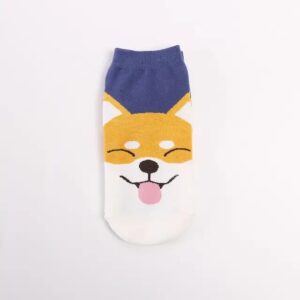
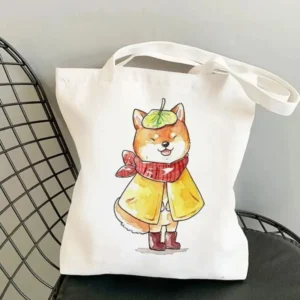
Are you a true enthusiast of adorable Shibas? So are we! That's why we've carefully curated a range of products designed to delight all lovers of this breed.
Discover below our selection of unique and high-quality products, perfect for showcasing your love for Shibas or spoiling your loyal four-legged companion.


4. How to Teach Your Shiba Inu Not to Bite
Shiba Inus are active dogs that tend to nibble and chew on objects. However, this behavior can sometimes result in damage to your home or even cause injuries to people. Biting is a normal behavior in puppies, but it’s essential to teach your Shiba Inu not to bite to prevent potential behavior problems in the future. Here are some practical tips to train your Shiba Inu not to bite:
- Avoid Rough Play: Avoid playing rough games like wrestling or tug-of-war with your hands or feet, as it can encourage biting. Opt for gentler games instead.
- Use Positive Reinforcement: When your Shiba Inu stops biting, praise them and reward them with treats or affection. This will reinforce their positive behavior and encourage them to continue not biting.
- Provide Chew Toys: Offer them specially designed chew toys for puppies. This allows them to satisfy their need to chew while avoiding inappropriate biting of objects or people.
- Be Consistent: It’s essential to be consistent in your approach to teach your pup not to bite. Don’t reward a behavior one day and punish it the next for the same behavior.
- Avoid Harsh Punishments: Never punish your Shiba Inu by hitting or hurting them, as this could lead to more severe behavior problems in the future.
To teach your Shiba Inu not to bite, it’s important to provide them with alternatives to satisfy their need to chew while reinforcing positive behaviors. Stay consistent in your approach and avoid harsh punishments to teach your puppy appropriate behaviors.
For example, with Aïko, I give him a toy when I come home so that he stops biting my hands and can still chew on an object (but I’ve chosen this one – be careful with your slippers and socks, ha ha).
This approach is a good way to redirect your Shiba Inu’s biting behavior towards appropriate items and promote a positive learning experience.
As a video is worth 1000 words
In this video, you will see the training mistakes to avoid:5. How to Train Your Shiba Inu Not to Bark?
Shibas tend to bark frequently, whether it’s to express their joy, dissatisfaction, or boredom. However, there are several techniques you can use to help reduce this excessive barking behavior. To begin, you need to understand why your Shiba is barking. Shibas typically bark to express their emotions, alert to the presence of intruders, or seek attention. Once you’ve identified the cause of your Shiba’s barking, you can use training techniques to address this behavior. When they start barking, you can try completely ignoring them. Sometimes, dogs bark to get attention, and by not reacting, they may stop. You can also use commands like “quiet” or “enough” to interrupt the barking. Use positive rewards like treats or affection to reinforce calm and silent behaviors. If your Shiba barks in response to external stimuli like noises or passersby, you can try desensitizing your dog to these triggers using training techniques. Start by exposing your dog to sounds or people that typically trigger their barking, but at a distance where they don’t feel threatened. Reward them for staying calm and quiet, then gradually increase the distance and intensity of the stimuli. You should avoid inadvertently reinforcing your Shiba’s barking behavior. For example, don’t give your dog treats or attention when they bark, as this could reinforce the behavior. Stay consistent in your training and be patient, as it may take time for your Shiba to learn to control their barking behavior.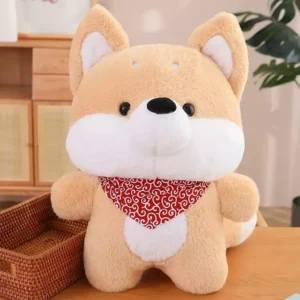

Subscribe and save 20% on your first order 🎁
6. How to Socialize Your Shiba Inu?
The Shiba Inu is a naturally cautious and very vigilant breed, making it an excellent guard dog. However, if not properly socialized, it can become fearful of the world around it, including its environment, owner, and other humans or animals. A fearful Shiba Inu is considered a fault compared to the breed standard. While some people may think this is common in this breed, it is not normal behavior. Fear and anxiety can lead to behavioral problems that can disrupt cohabitation or make it simply impossible. Therefore, as part of your dog’s training, it is essential to socialize and acclimate them to their environment and interactions with others.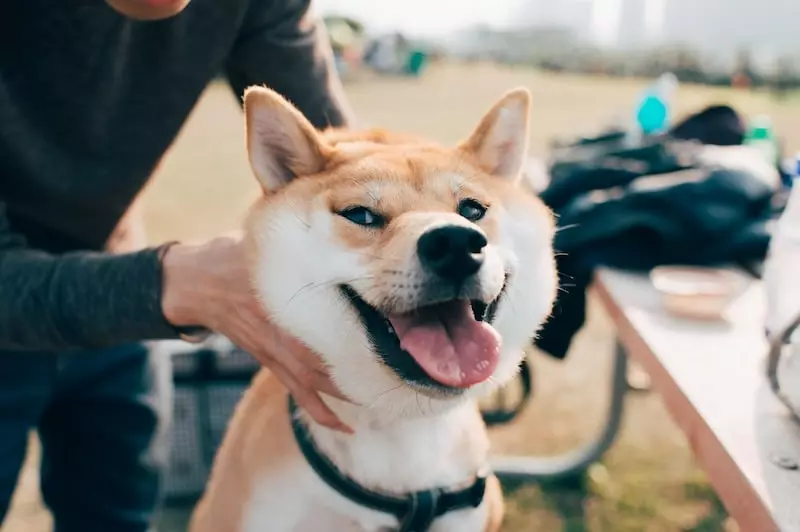
A. Choosing the Breeder
The choice of a breeder, whether they are accredited by the SCC (Société Centrale Canine) or not, is of great importance in the upbringing of a dog like the Shiba, where early socialization is crucial.
A quality breeder will initiate early socialization from the puppy’s first days of life. This involves getting the puppy accustomed to human presence as well as various stimuli such as play, common household noises, outdoor outings, and leash usage, among others.
This socialization phase is essential for the puppy’s development because it greatly facilitates their education and future cohabitation in your home. A Shiba that has been exposed to an environment rich in stimuli is less likely to be fearful and generally more fulfilled. Conversely, a puppy deprived of these stimuli may develop behavioral problems, including sensory deprivation syndrome.
To promote successful socialization of your Shiba Inu, it is recommended to choose family breeders where the puppy lives inside the breeder’s home. In such an environment, the puppy will be exposed from an early age to constant human presence and everyday noises such as music, television, vacuum cleaners, and common domestic life sounds. This will help prepare the puppy for a smooth transition to your own home.
B. When Your Shiba Inu Arrives Home, What to Do?
Once your puppy has settled into your home, it will be necessary to continue the socialization work initiated during its first two months at the breeder’s. The duration and complexity of this stage will partly depend on the breeder’s attention to early socialization and your puppy’s initial stress level. However, this phase is crucial for proper education of your dog.
To continue socializing your puppy, here are some important tips:
– Provide your puppy with a variety of toys of different shapes, materials, and sounds to stimulate their interest.
– Gradually familiarize them with your presence by speaking softly to them and allowing them to get used to being close to people. Encourage others to approach your puppy gently, petting them gently, and reward them for positive behavior.
– Get your puppy accustomed to the presence of other animals, which can reduce cohabitation problems with other dogs in adulthood. Regularly introduce them to older dogs of different breeds as well as other species such as cats.
B (Continued). After Your Shiba Inu Arrives at Your Home...
C. Socialization in Adulthood
It’s crucial to understand that the socialization of your Shiba Inu is not limited to the puppy stage. Even if your adult dog has been well-socialized, they can lose some of their sociability if you don’t continue exposing them to different situations throughout their life.
To maintain the sociability of your adult Shiba Inu, make sure to take them with you on outings to places that allow pets, such as malls, stores, or even downtown areas. Organize regular walks and let them accompany you in the car in a transport crate. If public transportation permits dogs, consider taking them with you as well. This constant exposure to diverse environments will reinforce their confidence and comfort in various situations.
It’s also beneficial to continue introducing them to other animals and people who can interact with them. You might consider having them participate in dog clubs where they can regularly socialize with other dogs and maintain their social skills.
In some cases, you may adopt an adult Shiba Inu that has not been properly socialized or has had limited interactions with other dogs for a long time. In such situations, socializing an adult Shiba Inu can be more complex and require more patience due to the particular nature of this breed.

Aiko & Lucas
In the car, off to Saint Gaudens, to get a Shiba Inu. That's where I first saw Aïko at a breeding place called "La maison du Shiba."
It was the beginning of an incredible adventure, and today, Aïko is a traveling Shiba: 🇫🇷 🇧🇪 🇨🇦
And no, it's not a joke!
I'm Lucas Fonseque, a digital nomad and SEO expert consultant. Besides work in my life, I have my Shiba Inu whom I love more than anything: Aïko 🦊 ❤️
7. The Importance of Positive Reinforcement Training
Indeed, the Shiba Inu has a unique personality that can sometimes be likened to that of a “cat-dog.” This breed doesn’t respond to traditional training methods in the same way as a more submissive dog, such as a Labrador, for example. Therefore, it is essential to opt for an approach based on play and motivation if you want to gain the cooperation of your Shiba Inu and establish clear leadership. Trust and respect are the foundations of successful training for this breed, and this is where positive reinforcement training comes into play. Positive reinforcement training is based on rewarding desired behaviors. This means that you reward your Shiba Inu when they exhibit the behavior you want, rather than punishing undesirable behaviors. Rewards can come in the form of treats, praise, or affection. Positive reinforcement training strengthens the relationship between you and your dog, fosters trust, and motivates them to learn. It is a respectful approach that takes into account your dog’s personality and helps them understand what is expected of them in a positive manner. You must remain patient and consistent in your approach to positive reinforcement training with your Shiba Inu. With time and perseverance, you can effectively train your dog while strengthening your bond with them.Gentle Learning
One of the keys to training a Shiba Inu is to respect their pace and acknowledge their need for independence. It’s essential not to force them if they refuse to follow a command. Learning through play is an excellent way to build trust between you and your Shiba. For example, you can use dog toys to teach them simple commands while having fun. Repeat these exercises regularly so that your Shiba Inu thoroughly assimilates the desired behaviors. Regarding potty training, Shiba Inus are generally considered very clean dogs, so they are inclined to learn quickly. You can associate the act of going potty with going for a walk, for example, so they gradually understand what is expected of them. Training a Shiba Inu requires patience, understanding, and a respectful approach to their independent personality. By following these principles, you can effectively train your Shiba Inu while strengthening your bond with them.The importance of reward
Due to their stubborn and less obedient nature, rewards play an essential role in Shiba Inu training. Rewards help them develop trust in their owner, find motivation to follow commands, and see an incentive to do so.
Rewards are not limited to treats; they can take various forms, including giving the dog what they desire, offering an outdoor play session, or simply giving them affection. It’s crucial to closely observe your dog’s reactions to determine what they value the most. Some things you may consider as rewards may not hold the same value for them, as their preferences may differ from yours.
By tailoring your rewards to your Shiba Inu’s preferences, you can more effectively reinforce and encourage desired behaviors, making their training easier while strengthening your relationship with them.
A fair penalty for your Shibou

Advantages and Challenges in Shiba Inu Training
Training a Shiba Inu comes with both advantages and challenges. This breed, known for its intelligence and independence, requires a patient and consistent approach. The advantages include their intelligence, their size suitable for apartment living, and their loyalty to their family. Here are some advantages and challenges in training them:Avantages
Drawbacks
In Conclusion, Regarding Their Training
Training a Shiba Inu can be a challenge due to its independent and stubborn nature. It is essential to understand their behavior, work collaboratively to establish a relationship based on trust and mutual respect, and use positive and non-punitive training methods. Patience, consistency, and perseverance are crucial throughout the training process. It is recommended to consult a dog behaviorist in case of significant behavioral issues. Before adopting one, it is advised to carefully consider it as this breed can be demanding in terms of time, energy, and patience. Make sure you are prepared to take responsibility for caring for your Shiba and educating them properly in the long term. The Shiba is a unique breed with distinctive characteristics. It can be a wonderful companion for those willing to take on the challenge of their training and meet their needs. For die-hard fans of the breed, there are ways to show their love for Shibas, such as wearing items from our collection that highlight this beloved breed.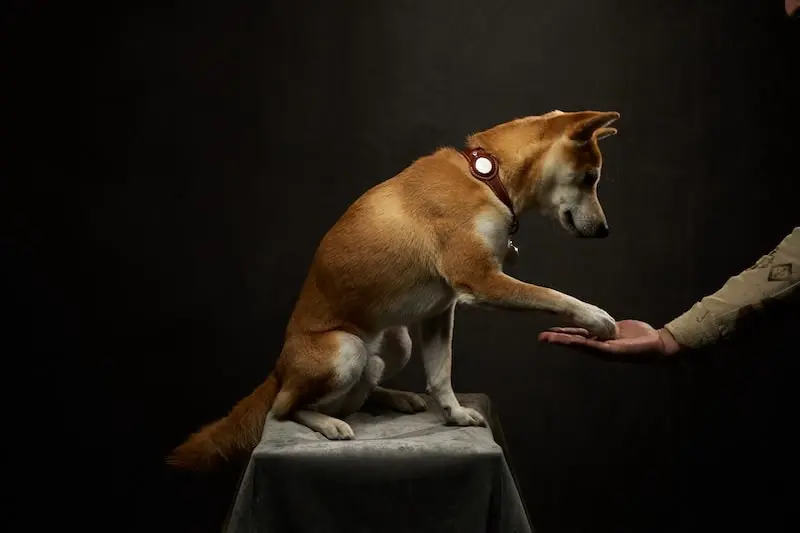
FAQs
How to Make a Shiba Inu Obey?
I recommend using positive reinforcement: Shibas generally respond better to rewards than punishment. Use treats, pets, and praise to reward desired behaviors.
How to Play with a Shiba?
To play with a Shiba Inu, opt for mentally and physically stimulating activities. Use interactive toys, play hide and seek, practice recall exercises, and engage in chase games. Rope, ball, and puzzle games are also popular choices. Make sure to monitor their energy levels and provide moments of rest and affection.
How to Tell if a Shiba is Happy?
To determine if a Shiba Inu is happy, observe their behavior, facial expression, and physical health. A happy Shiba Inu will have a raised tail, bright eyes, erect ears, a relaxed face, and be playful. They will also show affection towards their family, maintain a healthy appetite, and socialize positively. However, each dog is unique, so you should recognize the specific signs of happiness in your own pet and closely monitor their overall well-being. If concerns arise, consult a professional for appropriate guidance.
Can Shiba Inu Live in an Apartment?
Yes, Shiba Inus can live in an apartment, but there are some important considerations to keep in mind. This breed is medium to small-sized, which means they can adapt to an apartment environment.
How to Smartly Discipline Your Dog?
In dog training, prioritizing positive and compassionate approaches is essential. Instead of punishment, it is recommended to use positive reinforcement, consistency, understanding your dog’s needs, and patience to correct undesirable behaviors. Intelligent training is based on respecting the well-being of the animal, creating a trust-based relationship, and focusing on desired behaviors rather than sanctions. This promotes healthy behavior and strengthens the bond between the owner and the dog.
For example, if Aiko dislikes water, when he exhibits an undesirable behavior, you can use a spray bottle to deter him from repeating it.