
How much food for a Shiba?
The nutrition of your Shiba Inu is of paramount importance for its health and well-being. As a caring owner, it is essential to understand your four-legged companion’s nutritional needs and ensure they receive appropriate food.
Understanding the Nutritional Needs of a Shiba Inu
Shiba Inus are wonderful dogs, but like all breeds, they have specific nutritional needs to stay healthy and fit. Understanding these needs is essential for properly taking care of your Shiba Inu. In this section, we will examine key aspects of your Shiba Inu’s diet, including their calorie requirements and essential nutrients.Calorie Requirements
The calorie needs of a Shiba Inu depend on several factors, including their age, activity level, size, and individual metabolism. Shiba Inu puppies require more calories than adults due to their rapid growth. This means they need a more energy-rich diet to support their development. However, Shiba Inus can easily gain weight if overfed, which can be detrimental to their health. Therefore, it’s essential to choose a high-quality diet specially formulated for Shiba Inu puppies and follow the packaging recommendations or your veterinarian’s advice to determine the appropriate amount to feed your puppy. For adult Shiba Inus, the amount of calories needed will depend on their activity level. Shiba Inus are active and energetic dogs, so if they are particularly active, they may require more calories than less active dogs. Once again, it’s crucial to monitor their weight and adjust their diet accordingly to prevent overfeeding.Essential Nutrients
Your Shiba Inu requires a range of essential nutrients to maintain overall health. Among these nutrients are proteins, fats, carbohydrates, vitamins, and minerals.- Proteins are crucial for your Shiba Inu’s muscle development. Ensure that their diet contains an adequate amount of high-quality proteins from sources like lean meat, fish, or eggs.
- Fats provide energy for your dog and are necessary to maintain a healthy coat. Healthy fats, such as those found in fatty fish or vegetable oils, are important for your Shiba Inu’s health.
- Carbohydrates are a source of slow-release energy. While dogs don’t require carbohydrates in large quantities, a small amount of carbohydrates from grains or vegetables can be beneficial.
- Vitamins and minerals are essential for maintaining a healthy immune system and the proper functioning of vital organs. Ensure that your Shiba Inu’s diet includes a variety of vitamins and minerals.




Various Types of Food for Shiba Inus
Shiba Inus can be fed different types of food depending on the owner’s preferences and the specific needs of the dog. In this section, we will explore the main food options for Shiba Inus, including dry food, wet food, and homemade food.Dry Food
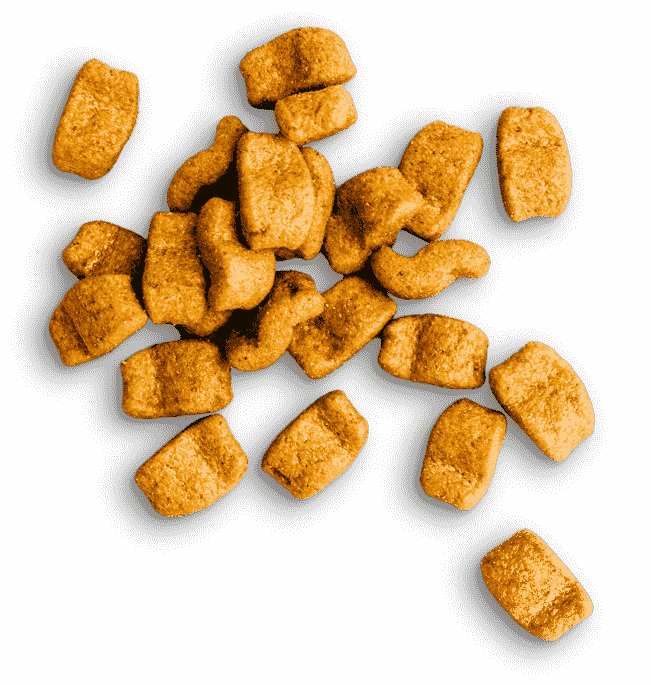
Dry food, also known as kibble, is one of the most popular options for Shiba Inu owners. It has several advantages, including convenience, extended shelf life, and benefits for your dog’s dental health. Kibble is designed to help reduce tartar formation and maintain good oral hygiene. To choose the best dry food for your Shiba Inu, look for high-quality products with age-appropriate ingredients for your dog. Kibble specifically formulated for Shiba Inus can offer an optimal nutritional balance for this breed.Wet Food
Wet food is an alternative to dry food and comes in the form of canned or pouch food. It has the advantage of being more hydrating, which can be beneficial for Shiba Inus who need extra hydration. Additionally, wet food is often appreciated for its taste by many dogs. Wet food has a shorter shelf life than dry food and can be more expensive in the long run. Some owners choose to combine both types of food by alternating them to provide variety to their Shiba Inu.Homemade Food
Some owners prefer to prepare homemade food for their Shiba Inu. This option allows for complete control over the ingredients and can be helpful for dogs with food allergies or specific nutritional needs. However, it is essential to ensure that homemade food is balanced and meets your dog’s nutritional requirements. When preparing homemade food for your Shiba Inu, consult a veterinarian or canine nutritionist to develop appropriate recipes. Make sure the homemade food contains an adequate amount of proteins, fats, carbohydrates, vitamins, and minerals to meet your dog’s needs. The choice between these different types of food will depend on your personal preferences as an owner, the specific needs of your Shiba Inu, and their individual food preferences. Regardless of the option chosen, ensure that the food meets your dog’s nutritional needs to ensure their health and well-being.
Aiko & Lucas
In the car, off to Saint Gaudens, to get a Shiba Inu. That's where I first saw Aïko at a breeding place called "La maison du Shiba."
It was the beginning of an incredible adventure, and today, Aïko is a traveling Shiba: 🇫🇷 🇧🇪 🇨🇦
And no, it's not a joke!
I'm Lucas Fonseque, a digital nomad and SEO expert consultant. Besides work in my life, I have my Shiba Inu whom I love more than anything: Aïko 🦊 ❤️
How to Determine the Right Amount of Food for Your Shiba Inu
You need to feed your Shiba Inu the right amount of food to ensure they stay healthy and maintain an optimal weight. The amount of food needed depends on several factors, including age, weight, activity level, and your dog’s individual needs. In this section, we will provide you with tips on how to determine the ideal amount of food for your Shiba Inu:Age and Weight
Your Shiba Inu’s age and current weight are key factors in determining their food portion. Growing Shiba Inu puppies have higher calorie requirements than adults to support their development. Consult the recommendations on the puppy food packaging or ask your veterinarian for the recommended amount for your puppy’s age. For adult Shiba Inus, it’s essential to monitor their weight. If your dog is gaining weight, you may need to slightly reduce their food portion. Conversely, if your Shiba Inu is losing weight excessively, you might need to increase the amount of food they receive.Activity Level
Shiba Inus are energetic and active dogs. Their daily activity level significantly impacts the amount of food they need. A highly active Shiba Inu requires more calories to support their energy level and physical activities. If your dog is particularly active, you may need to increase their food portion to meet their needs. On the other hand, a less active or older Shiba Inu may require fewer calories. In this case, it’s crucial to adjust the amount of food to avoid overfeeding, which could lead to undesirable weight gain.Your Dog’s Specific Needs
Every Shiba Inu is unique, and some may have specific dietary needs due to health issues or food sensitivities. If your dog has specific requirements, consult your veterinarian for personalized recommendations on the best diet for your Shiba Inu based on their health and individual needs. It is recommended to divide the daily recommended portion into several meals to prevent your Shiba Inu from eating too quickly. Regular consultations with your veterinarian will help you adjust the amount of food based on your dog’s changing needs throughout their life. By carefully monitoring your Shiba Inu’s age, weight, activity level, and specific needs, you can determine the ideal amount of food to ensure they receive a healthy and balanced diet.
Subscribe and save 20% on your first order 🎁
Signs of Overfeeding or Underfeeding
We advise you to closely monitor your Shiba Inu for any signs of overfeeding or underfeeding. Inappropriate feeding can have a significant impact on your dog’s health, so it’s essential to be attentive to signs that could indicate a nutritional imbalance.Overfeeding
Overfeeding can lead to excessive weight gain, which can be detrimental to your Shiba Inu’s health. Signs of overfeeding in your dog may include:- Excessive Weight Gain: Your Shiba Inu may become overweight or obese, which can lead to various health issues, including heart, joint, and respiratory problems.
- Lethargy: An overweight dog may become less active and have reduced energy levels.
- Joint Problems: Overweight Shiba Inus are more likely to develop joint issues such as arthritis.
- Respiratory Difficulties: Overweight dogs may have difficulty breathing and may be more prone to breathlessness.
Underfeeding
Underfeeding can also have adverse effects on your Shiba Inu’s health. Signs of underfeeding include:- Excessive Weight Loss: Your Shiba Inu may appear thin and experience worrying weight loss.
- Weakness: An underfed dog can become weak and lack energy.
- Reduced Activity: Your Shiba Inu may be less active than usual.
- Dull and Dry Coat: Inadequate nutrition can lead to a dull coat and skin problems.
Final Thoughts
In conclusion, the nutrition of your Shiba Inu is a crucial aspect of their life and health. By understanding the specific nutritional needs of this dynamic breed, you can ensure that your four-legged companion receives appropriate nutrition that promotes their vitality and well-being. We have explored key points related to the nutrition of your Shiba Inu, including calorie requirements, essential nutrients, different types of food available, and how to determine the amount of food to provide based on your dog’s age, weight, and activity level. It is important to choose high-quality food specially formulated for Shiba Inus and to closely monitor your dog’s diet to avoid overfeeding or underfeeding. Signs of these nutritional imbalances should be taken seriously and require immediate action to maintain your Shiba Inu’s health. As a caring owner, your role is to provide a balanced diet, ensure the health of your Shiba Inu, and offer them a happy and healthy life. By following the advice and information provided in this article, you are on the path to providing your Shiba Inu with optimal nutrition that will contribute to their joy and longevity. Remember to regularly consult your veterinarian for personalized advice on your Shiba Inu’s diet and health, and don’t hesitate to ask specific questions to better understand and care for your loyal four-legged companion. Your Shiba Inu’s health and happiness largely depend on the nutrition you provide, so take the time to choose carefully and tailor their diet to their individual needs to offer them a fulfilling and healthy life.Shibas FAQ
How much food should I give my Shiba Inu each day?
The amount of food needed depends on your Shiba Inu’s age, weight, and activity level. In general, follow the recommendations on the food packaging or consult your veterinarian to determine the appropriate amount. Be sure to monitor their weight and adjust the portion accordingly to avoid overfeeding or underfeeding.
Should I choose dry or wet food for my Shiba Inu?
The choice between dry and wet food depends on your Shiba Inu’s preferences and specific needs. Dry food is convenient and beneficial for dental health, while wet food is more hydrating. Some owners choose to combine both to provide variety to their dog.
What are the signs of overfeeding in a Shiba Inu?
Signs of overfeeding include excessive weight gain, lethargy, joint problems, and respiratory difficulties. If you observe these signs, consult your veterinarian to develop a weight management plan.
Is my Shiba Inu underfed if they are losing weight?
Yes, excessive weight loss can be a sign of underfeeding. If your Shiba Inu appears thin and is losing weight significantly, consult your veterinarian to determine the cause and adjust their diet accordingly.
Should I give vitamin supplements to my Shiba Inu?
In general, if your Shiba Inu is eating a balanced and high-quality diet, they do not need vitamin supplements. Consult your veterinarian before giving supplements to ensure they are necessary and appropriate for your dog’s health.