
Diet for Shiba Inu
Shiba Inus are fascinating dogs, known for their lively personality and distinctive beauty.
The Shiba Inu Breed
The Shiba Inu, commonly referred to as the Shiba, belongs to a lineage of dogs originating from ancient Japanese breeds. This dog breed is distinguished by its lush coat and an elegantly curled tail on its back. Despite its small size, Shiba Inus measure between 35 and 41 centimeters (approximately 14 to 16 inches) and weigh between 6 and 10-11 kilograms (approximately 13 to 22-24 pounds). Endowed with remarkable vivacity, this dog has an insatiable need to expend its energy! To meet this vital need, a rich, healthy diet perfectly suited to its active lifestyle is essential.A Diet Tailored to Their Life Stage
First and foremost, it’s essential to note that the dietary requirements of your Shiba Inu will evolve throughout its life. From birth until about two months of age, your Shiba Inu, like other puppies, exclusively feeds on its mother’s milk. However, if, unfortunately, the mother cannot provide enough milk, there are milk substitutes available at pet stores or from veterinarians. It’s from the first two months of age that you, as an owner, come into play! Indeed, from the age of two months, the Shiba Inu goes through approximately three distinct phases of nutritional needs, correlated with its development:Feeding Your Shiba Inu from 2 to 12 Months
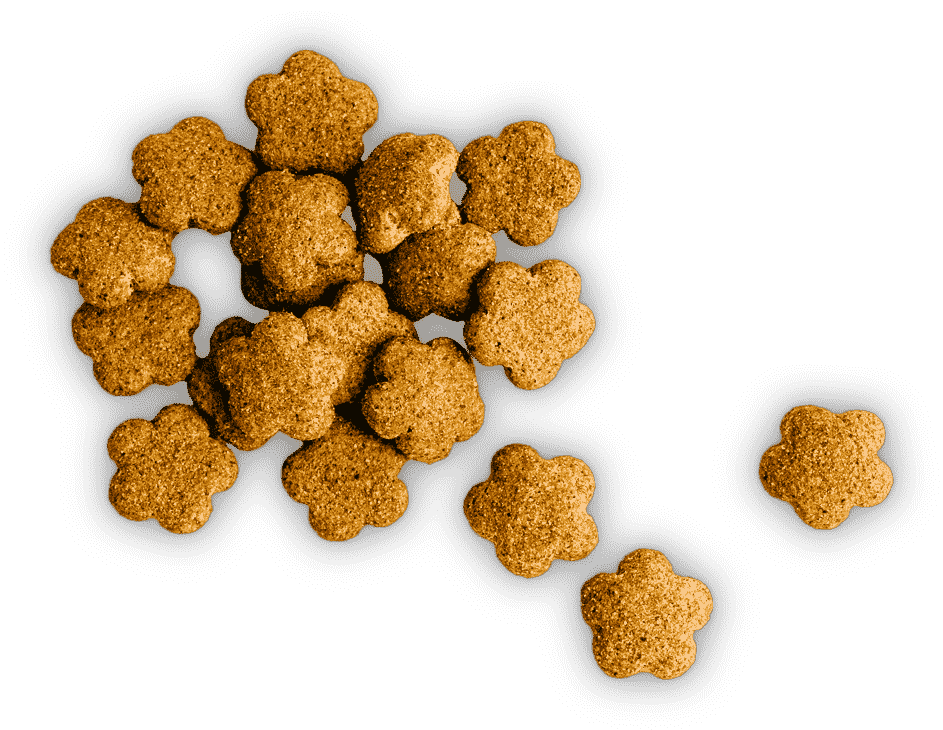
A Shiba Inu puppy needs to be fed very regularly, several times a day. Initially, it is recommended to alternate between a specially formulated milk (but avoid cow’s milk!) and kibble. Over time, you can gradually reduce the amount of milk and increase the portion of kibble. It’s essential to divide your Shiba Inu’s meals into 4 or 5 meals per day so that they consume smaller quantities, promoting digestion and avoiding overloading their small stomach. Pro Nutrition kibble for small breed dogs is particularly suitable based on your pet’s size and energy needs! Plan for about one cup of food per day and ensure your dog always has access to water to stay well-hydrated throughout the day.From 1 to 8 Years Old, Your Shiba Inu’s Adult Phase
At this age, your dog no longer needs mother’s milk, and you can also reduce the frequency of your Shiba Inu’s meals. Arrange their meals at fixed times, in 2 or 3 portions spread throughout the day. All of this will depend on your dog’s size, weight, and daily activity level. If in doubt, don’t hesitate to consult a veterinarian who can provide you with the most suitable advice.The Senior Period, Around 8 Years Old
Meal frequency can remain similar, around 2 to 3 meals per day. However, for your older dog, choose kibble specifically designed for senior dogs or, if applicable to your four-legged companion, consider kibble for spayed or neutered dogs.
Balanced Nutrition
The Shiba Inu requires a highly balanced nutritional regimen to allow them to lead a prolonged, exquisite, and healthy life. This Japanese dog is no different from other dogs: much like many of their counterparts, they are drawn to the healthiest foods, which typically consist of natural and unprocessed food. This practice helps facilitate and enhance your dog’s digestive system, making them exceptionally happy while providing them with a silky and shiny coat. Strive to avoid industrial and processed foods as much as possible, as such choices can have profoundly detrimental long-term effects on your precious canine companion.
Aiko & Lucas
In the car, off to Saint Gaudens, to get a Shiba Inu. That's where I first saw Aïko at a breeding place called "La maison du Shiba."
It was the beginning of an incredible adventure, and today, Aïko is a traveling Shiba: 🇫🇷 🇧🇪 🇨🇦
And no, it's not a joke!
I'm Lucas Fonseque, a digital nomad and SEO expert consultant. Besides work in my life, I have my Shiba Inu whom I love more than anything: Aïko 🦊 ❤️
Shiba Inus Need Protein
Proteins are the cornerstone of a balanced diet, whether for humans or our loyal four-legged companions! They play a crucial role in building muscles and tissues, promote hair growth, expedite the healing process, and also regulate the Shiba Inu’s endocrine system. Furthermore, proteins are of paramount importance for our canine friends as they boost their energy and contribute to maintaining their immune system. It is, therefore, imperative to incorporate proteins into every meal for your little dog.How Much Protein to Give Your Shiba Inu?
The amount of protein to give your Shiba Inu will depend on various factors such as their size, age, body condition, and activity level. Here are some tips to consider:- Your Dog’s Size: The larger your dog, the more protein they will need to maintain their muscles and meet their energy requirements.
- Activity Level: If your Shiba Inu is highly active and engages in a lot of exercise, their body will require more energy, meaning they will need more protein to fuel their muscles.
- Your Shiba Inu’s Age: As your Shiba Inu gets older, they typically become less active and more sedentary. Consequently, their protein requirements in their daily diet may decrease.
Feeding Them Carbohydrates and Healthy Fats
In addition to proteins, which play a crucial role in the optimal nutrition of a Shiba Inu, carbohydrates provide their body with all the necessary energy to function. You can think of this as the fuel for a car! Ensuring that your dog does not consume excessive amounts of glucose is essential as it is an integral part of a balanced diet for your faithful four-legged companion. Glucose contributes to the activation of the brain and the nervous system, promoting their overall health. However, to prevent this glucose from turning into fat and causing obesity in your Shiba Inu, it is imperative to provide them with regular opportunities for exercise, whether it’s jumping, walking, running, or other activities. Don’t hesitate to take them for a walk whenever possible, even when you’re going out to a bar or visiting friends!

Subscribe and save 20% on your first order 🎁
Give Them Good Fats
In addition to proteins and carbohydrates, it’s essential to ensure you provide good fats to your little Shiba Inu. These fatty acids are vital for your dog’s body to function correctly and contribute to maintaining a beautiful coat and excellent skin health. Among these fatty acids, omega-3 and omega-6 are notable, found in sources like salmon, tuna, or certain oils. To supplement the intake of these precious essential fatty acids for your dog, you can opt for kibble enriched with omegas. This way, your Shiba Inu will receive all the necessary nutrients for optimal health. On my end, I also give Aïko salmon oil for the omegas to enrich her diet. I apply this oil directly to her Ultra Premium Direct kibble.To Properly Feed Your Shiba Inu:
To guide you in the right direction for feeding your Shiba Inu correctly, there is a formula that helps determine the precise amount of calories a dog may need each day. To do this, you need to perform the following calculation: 30 times the weight (in kilograms) + 70 = daily calorie intake. For example, if your Shiba Inu weighs 11 kilograms, they will need 30 x 11 + 70, which equals 400 calories per day! This formula serves as a helpful guideline, but it’s not necessary to follow it down to the gram. You should also take into consideration the following factors:- Regular activity (do you take them out frequently? Do they play a lot with other dogs? Do they work for their food?)
- Lifestyle (sleeping hours? Do they play in the garden? Do they come with you when you go out? Do they interact with many humans?)
- Age
- Health condition (do they have any specific illnesses?)
Can You Feed Your Shiba Inu Dry Kibble?
Certainly, you can absolutely feed your Shiba Inu with dry kibble, provided that it is of high quality and rich in quality proteins. For an adult Shiba Inu, it is recommended to choose kibble containing between 30% and 40% protein. Also, ensure that the phosphorus content in the kibble does not exceed 1.1%. Indeed, kibble with high phosphorus content is generally of lower quality. A low phosphorus level in the kibble ensures a better quality composition.Can You Give Fruits and Vegetables to a Shiba Inu?
Absolutely, your Shiba Inu can consume many healthy foods that are beneficial for their energy and overall health, including fruits and vegetables. In fact, it is recommended for Shiba Inu owners to regularly incorporate portions of fruits and vegetables into their precious companion’s diet. This will help boost their vitality, delight them, and maintain the balance of their daily diet. Here are some examples of fruits and vegetables that you can add in small pieces to your Japanese Shiba Inu’s meals:- Bananas
- Blueberries
- Carrots
- Cucumbers
- Green beans
- Seedless watermelon chunks
- Seedless apples
- Pears
- Strawberries
- Zucchini
- Broccoli
- Bell peppers
- Potatoes (cooked and unseasoned)
- Sweet potatoes (cooked and unseasoned)
Final Thoughts
In conclusion, ensuring a balanced and suitable diet is essential for the health and well-being of your Shiba Inu. Nutrition plays a crucial role in their vitality, the beauty of their coat, and their overall health. It is recommended to choose high-quality kibble with an appropriate protein percentage, ranging from 30% to 40%, while monitoring the phosphorus content, which should not exceed 1.1%. This attention to the quality of kibble ensures optimal nutrition for your faithful companion. Regularly incorporating healthy fruits and vegetables into their diet can bring additional benefits. Options like bananas, blueberries, carrots, cucumbers, and other vegetables can help boost their energy and maintain a shiny coat. Finally, you should customize the diet based on your Shiba Inu’s age, physical activity, lifestyle, and health condition. By working closely with a veterinarian or a canine nutrition specialist, you can develop a tailored dietary plan to meet their individual needs, ensuring a healthy and fulfilling life for your beloved Shiba Inu.FAQs
What is the ideal percentage of protein in kibble for an adult Shiba Inu?
The ideal percentage of protein in kibble for an adult Shiba Inu falls between 30% and 40%. This ensures a balanced diet rich in essential nutrients.
Why is it important to monitor the phosphorus content in kibble?
It is essential to monitor the phosphorus content in kibble because a high phosphorus level can indicate lower quality kibble. A low phosphorus level ensures a better nutritional composition.
What are the benefits of giving fruits and vegetables to my Shiba Inu?
Giving fruits and vegetables to your Shiba Inu can boost their energy, contribute to the health of their skin and coat, and provide a variety of flavors and beneficial nutrients.
Which fruits and vegetables are suitable for a Shiba Inu's diet?
Among the fruits and vegetables suitable for a Shiba Inu’s diet, you can include bananas, blueberries, carrots, cucumbers, green beans, seedless watermelon chunks, and seedless apples.
How can I customize my Shiba Inu's diet based on their specific needs?
To customize your Shiba Inu’s diet based on their specific needs, it is recommended to consult a veterinarian or a canine nutrition specialist. They can help you develop a dietary plan tailored to your dog’s age, physical activity, lifestyle, and health condition.