
Aiko
Shiba Inu Shop
Welcome to Aiko, your go-to destination for all things Shiba Inu. On LinkedIn, I am known as “The Shiba Guy”.
Here, you will discover a wealth of advice, tips, and products tailored to your beloved Shiba Inu.

Expert Nutritional Advice
We provides expert guidance on choosing the right food for your dog, from puppy to adult.

Unique toys for your Shiba
Every Shiba has its preference, so we have a complete range for you.

Education Tips for your doggy

Aïko & Lucas
Lulu in the car, heading for Saint Gaudens, to pick up a Shiba Inu. It was there that I saw Aïko for the 1st time in a kennel called “La maison du Shiba”.
It was the start of an incredible adventure, and today Aïko is a traveling Shiba: 🇫🇷 🇧🇪 🇨🇦
And no, it’s not a joke!
I’m Lucas Fonseque, a digital nomad and SEO expert consultant. Apart from work in my life, I have my Shiba Inu whom I love more than anything: Aïko 🦊 ❤️
Our Products
-

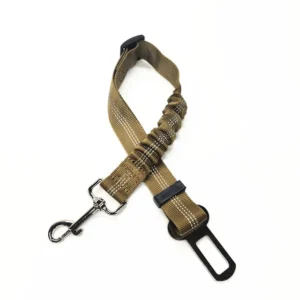
Car Seat Belt for Shiba
8,00 € -
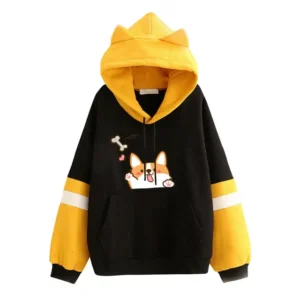
Yellow and Black Shiba Hoodie
29,00 € -
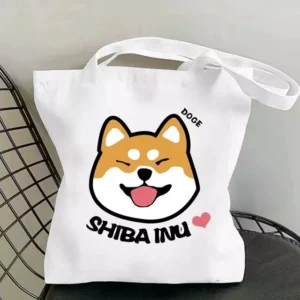
Chubby Shiba Canvas Bag
14,00 € -
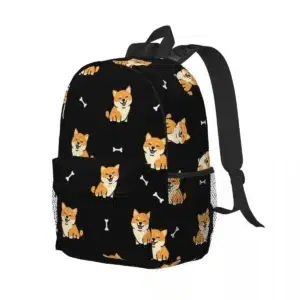
Shiba Backpack with Bone
38,00 € -
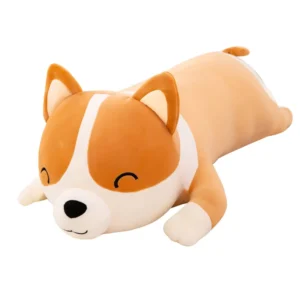
Shiba Corgi Pillow Plush
Price range: 24,00 € through 61,00 € -
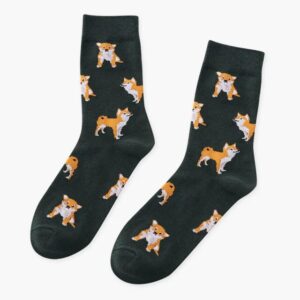
Classic Shiba Sock
7,00 € -
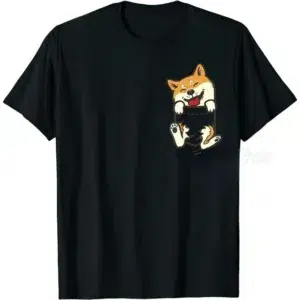
Black Shiba Inu faux pocket T-shirt
19,00 € -
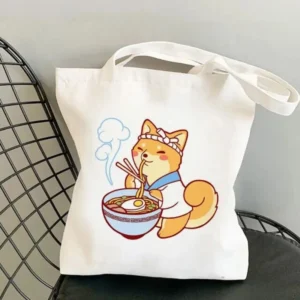
Shiba Ramen Canvas Bag
14,00 € -
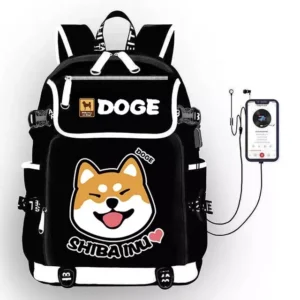
Shiba DOGE Backpack
43,00 € -
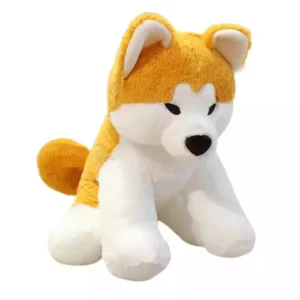
Akita Inu Plush
Price range: 29,00 € through 43,00 € -
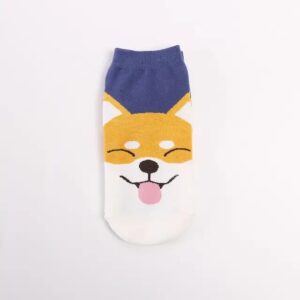
Shiba Content Sock
7,00 € -
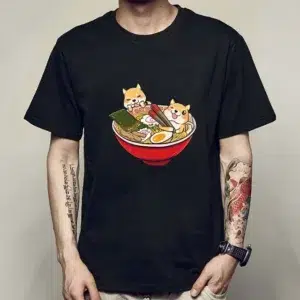
Shiba Ramen Black T-shirt
19,00 € -
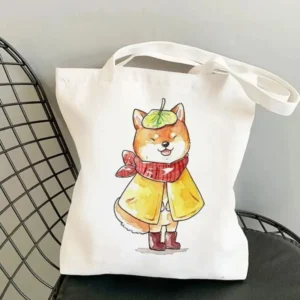
Shiba in Drawing Canvas Bag
14,00 € -
Shiba Lover Canvas Bag
14,00 € -
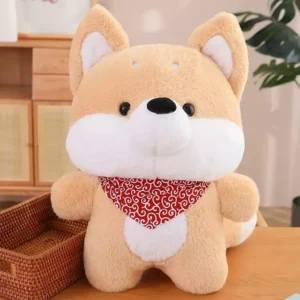
Shiba plush with Bandana
Price range: 33,00 € through 76,00 € -
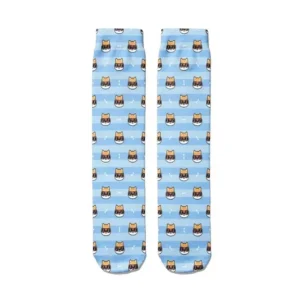
Shiba Sunglasses Sock
7,00 € -
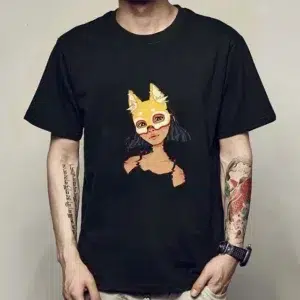
Women’s Black Masked Shiba T-shirt
19,00 € -
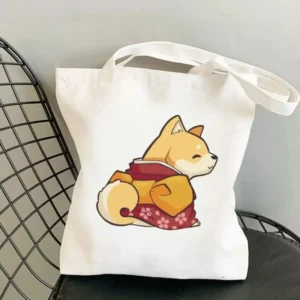
Shiba in Kimono Canvas Bag
14,00 € -
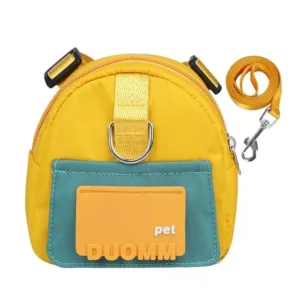
Small Backpack for Shiba Inu
19,00 € -
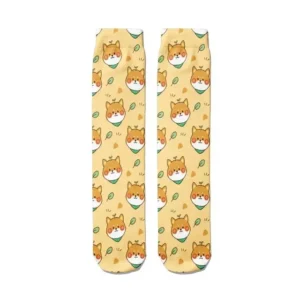
Yellow Shiba Sock
7,00 € -
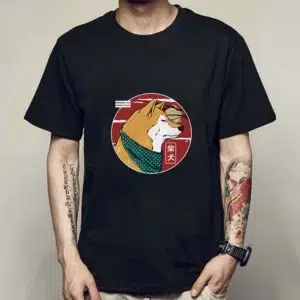
Shiba Head T-shirt
19,00 € -
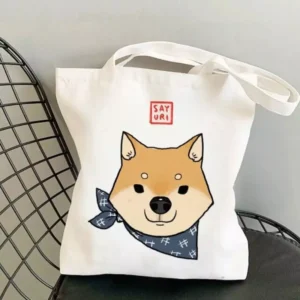
Shiba Say Uri Canvas Bag
14,00 € -
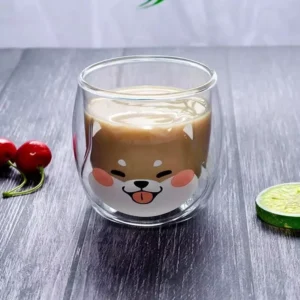
Transparent Shiba Inu Mug
17,00 € -
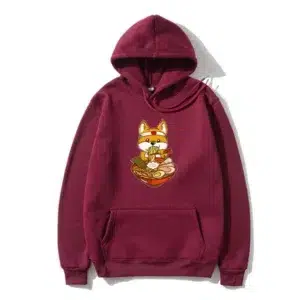
Shiba Ramen Sweatshirt
41,00 €

Subscribe and save 20% on your first order 🎁
Essential accessories for responsible owners
Because you don’t let your dog poop everywhere.
Because we want him to have the right toys.
Because our dog is like our baby.

Our Latest Blog Articles

Body Language of Shiba Inus
Decode the body language of Shiba Inus to understand their emotions and enhance your relationship with these fascinating dogs.
Shiba Inus and Relaxation: The Benefits of Canine Meditation
Discover how canine meditation can bring relaxation and serenity to your Shiba Inu, promoting its mental well-being.

The Shiba Inu in a wedding outfit?
Explore Ideas and Tips for Including Your Shiba Inu in Your Wedding, Allowing Them to Shine in Stylish Attire.
The Shiba Inu
What is a Shiba Inu?
These canines are of medium size, with thick fur that can come in different colors, such as red, black, and cream. Their tail is curled over their back, which gives them an even cuter appearance.
Shiba Inus make excellent companions for active individuals, as they love to play and expend energy. However, they also require firm and consistent training to channel their stubborn nature. Overall, they are lovely dogs that bring much joy to those who adopt them.
What is the size of these canines?
The height of an adult Shiba Inu is generally between 35 and 41 centimeters at the withers (with an average of around 38 centimeters) for males, and between 33 and 38 centimeters (with an average of around 36 centimeters) for females.
These measurements are approximate and may vary slightly from dog to dog, but they give a general idea of the size of this species, which is considered small to medium-sized.
How to Educate a Shiba Inu?
Educating a Shiba Inu can be a rewarding but demanding task due to their independent nature and intelligence.
Here are some detailed tips to help you educate your Shiba Inu:
1. Start early: Socialization is crucial from a young age. Expose your Shiba Inu puppy to various situations, people, animals, and environments to help them become well-adjusted and confident.
2. Use positive reinforcement: Shiba Inus respond better to rewards and positive motivation rather than punishment. Reward them with treats, warm praise, and affection when they behave well. This will reinforce desired behaviors and help develop a good character.
3. Be consistent: Establish clear rules and maintain a consistent training approach. Shiba Inus can be stubborn, so a consistent routine is essential for them to understand expectations.
4. Provide regular mental and physical exercise: Shiba Inus are highly active and intelligent animals. They need mental and physical stimulation to avoid boredom, which can lead to undesirable behaviors. Walks, interactive games, and educational toys are recommended.
5. Be patient and persistent: Shiba Inus can be stubborn and may require more time to learn new skills. Stay calm and patient throughout the training process. Consistency is key to success.
6. Consider professional training: If you encounter significant difficulties in educating your Shiba Inu, consider seeking help from a professional dog trainer experienced with this specific breed.
By following these tips and investing time and effort into your Shiba Inu’s education, you can establish a harmonious and rewarding relationship with your dog.
Japanese dog breeds
Japan is home to several indigenous and unique dog breeds.
Here are some of the main ones:
- Shiba Inu: Probably the best-known Japanese breed, they are small in stature, with a lively, independent personality. They have dense fur and a tail that curls over their back.
- Akita Inu: They are large and majestic in appearance. They are loyal and protective, often used as guard dogs.
- Kishu Ken: Native to the Kishu region of Japan. Kishu Kens are elegant, athletic hunting dogs, usually white in color.
- Hokkaido: Also known as Hokkaido Ken, these robust, hardy dogs originate from the island of Hokkaido. They were traditionally used for bear hunting.
- Shikoku: Shikoku Kens are medium-sized canines from the island of Shikoku. They are energetic, intelligent and well adapted to hunting.
- Kai Ken: A rare species, the Kai Ken is native to the Kai region of Japan. They are known for their distinctive striped coat and loyal nature.
- Tosa Inu: Larger, the Tosa Inu was originally bred for wrestling and is known for its strength and courage.
- Japanese Spitz: native to Japan, known for its small size, thick coat and curled tail. They are often described as intelligent, alert and affectionate towards their family.
They have distinct characteristics and have been bred for a variety of functions over the years, from hunting to protection and even combat sports. Each has a rich history that is unique to Japan.
Which kibble to choose?
Here are some tips for selecting the best food for your Shiba Inu:
– Consult your veterinarian: Before making a decision, consult your vet for specific recommendations tailored to your Shiba Inu. They will consider factors such as age, weight, activity level, allergies, and more to guide you towards the best option.
– Opt for high-quality nutrition: Choose high-quality food that contains premium ingredients. Ensure that the primary source of protein, such as chicken, beef, or fish, is clearly indicated on the label.
– Avoid unnecessary grains: Shiba Inus generally do not require grains in their diet. Look for grain-free food or food with minimal grain content.
– Consider age: The nutritional needs of Shiba Inus vary depending on their age. Select specific food for puppies, adults, or seniors based on your Shiba Inu’s age.
– Pay attention to kibble size: Shiba Inus have relatively small jaws, so opt for kibble that is suitable for their mouth size to facilitate chewing.
– Be mindful of allergies: If your Shiba Inu has known food allergies, choose food that does not contain the ingredients to which they are allergic.
– Avoid unnecessary additives: High-quality food does not require artificial additives such as dyes or preservatives. Opt for food without unnecessary additives.
– Prevent overfeeding: Shiba Inus are prone to weight gain, so make sure to follow your vet’s recommended feeding quantity and avoid overfeeding.
In conclusion, selecting the right food for your Shiba Inu should be based on their individual needs. Consulting your veterinarian is crucial as they can guide you towards the most suitable food for your dog. Choose superior-quality food that meets the specific nutritional requirements of your Shiba Inu to ensure a healthy and balanced life.
What is a Shiba Blanc?
Aiko presents the Shiba Blanc, a simply beautiful white Shiba Inu. While red is the most common color for Shiba Inus, they can also come in white, black and tan, or sesame (a mix of red and black fur).
White Shibas have predominantly white coats, sometimes with light markings on their ears or back.
They possess the same charming personality, intelligence, and behavior as more commonly red Shiba Inus, but their appearance sets them apart. Many dog enthusiasts appreciate white Shiba Inus for their unique beauty and elegance.
What is a black and tan Shiba?
A black and tan Shiba is a Shiba dog primarily with a black coat and tan markings. These tan markings are typically found above the eyes, on the cheeks, inside the ears, on the sides of the muzzle, on the throat, on the chest, under the tail, and on the legs.
Black and tan Shibas have a distinctive and attractive appearance, with a striking contrast between their black fur and tan markings. Black and tan is one of the accepted color variations for Shiba Inus according to breed standards, alongside red, sesame, and white.
Each color variant has its own charm, but black and tan is particularly appreciated for its elegant look and vibrant markings that highlight the dog’s features.
What about puppies?
When considering adopting a Shiba Inu puppy, there are important things to know in order to properly care for your new companion. Shiba Inus are small to medium-sized dogs with dense fur and a curled tail.
- They come in different coat colors, including red, black and tan, sesame, and white.
- They are known for their lively, independent, and sometimes stubborn personality. Shiba Inus are intelligent and can be quite mischievous.
- Early socialization and training are essential to help them become well-balanced companions.
- They are active dogs that require regular exercise. Plan for regular walks, interactive games, and stimulating activities to keep them mentally and physically engaged. S
- hiba Inus have a coat that requires regular grooming. They typically shed a lot, especially during seasonal shedding periods.
- Regular brushing is recommended to reduce hair loss. While Shiba Inus are generally healthy, they may be prone to certain conditions, including hip problems, allergies, and eye issues.
- Be sure to schedule regular visits to the veterinarian to monitor their health. Early socialization is crucial for Shiba Inus to become accustomed to various situations, people, and animals. This will help prevent anxious or aggressive behaviors later in life.
- Training a Shiba Inu can be challenging due to their stubborn nature. Positive reinforcement training, with rewards and praise, is recommended for the best results. Learn as much as possible about these canines to better understand their needs and characteristics.
Each puppy is unique, but a deep understanding of the breed will help you better meet their specific needs.
By considering these factors and providing your Shiba Inu puppy with love, attention, and proper care, you can establish a rewarding and harmonious relationship with your new companion.
Male or female?
The choice between a male or female Shiba Inu often depends on your personal preferences and lifestyle.
Here are a few points to consider to help you make your decision:
Male:
- General size: Shiba Inus males tend to be slightly taller than females, although the difference is usually minimal.
- Personality: Males can sometimes be more territorial and dominant than females. However, this also depends on socialization and early training.
- Territorial marking: Unneutered males tend to mark their territory more frequently than females, which can be a behavior to manage.
- Behavior toward other dogs: Unneutered males may sometimes be more inclined to fight with other unneutered males, especially if they are not properly socialized.
Female:
- General size: Female Shiba Inus are generally a little smaller than males.
- Personality: Females can sometimes be more independent and reserved, although they are also intelligent and loyal to their owners.
- Heat: Females go into heat twice a year, which requires special attention if you’re not planning to have them spayed. During heat, they often attract the attention of unneutered males.
- Behavior toward other dogs: Females may be less inclined to fight with other bitches than males with other males, but this also depends on socialization.
It’s also important to know that, whatever your choice, shedding will happen.
Ultimately, whether you choose a male or a female, the key to success lies in early socialization, positive education and the provision of appropriate love and care.
Both sexes can make excellent companions if you meet their specific needs and raise them correctly.
How much does a Shiba cost?
The cost of a Shiba Inu, a popular breed of dog, can vary widely depending on several factors such as the dog’s age, pedigree, health, and where you acquire it from. On average, you can expect to pay anywhere from $1,000 to $3,000 for a Shiba Inu puppy from a reputable breeder.
However, it’s important to note that the initial cost of acquiring a Shiba Inu is just one part of the expenses involved in owning a dog. You should also budget for ongoing expenses like food, grooming, veterinary care, training, and other necessities.
If you’re considering getting a Shiba Inu, it’s crucial to do your research, find a responsible breeder or consider adoption from a rescue organization, and be prepared for the long-term commitment and expenses associated with dog ownership. Additionally, consider the breed’s specific temperament and exercise needs to ensure it’s a good fit for your lifestyle.