Husky Inu VS Shiba Inu
Dog lovers are often drawn to canine breeds for their unique appearance, distinct personality, and fascinating characteristics. Two of these breeds, the Shiba Inu and the Husky Inu, have recently gained popularity due to their undeniable beauty and charm.
The Husky Inu, a mix of the majestic Siberian Husky and the charismatic Shiba Inu, generates particular interest.
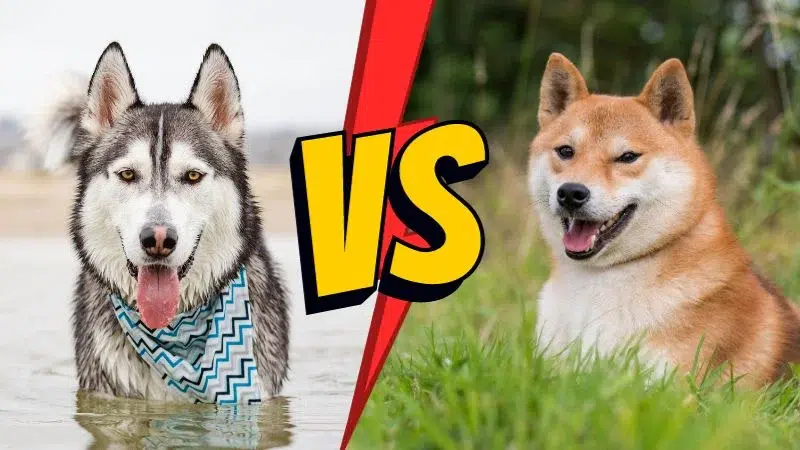
In this article, we will delve into the world of these two impressive canine breeds, explore their origins, physical characteristics, unique personalities, and discuss important considerations for those contemplating adopting one of these incredible dogs.
Get ready for an engaging journey through the realms of Shiba Inus and Husky Inus, and discover which dog might be the perfect companion for you.
What Is a Husky Inu?
A Husky Inu is a hybrid dog resulting from the crossbreeding of two distinct canine breeds, the Siberian Husky and the Shiba Inu. This fusion creates a dog with a unique charm, combining the majesty of the Husky with the characteristic traits of the Shiba Inu. Physically, the Husky Inu typically has a muscular appearance, pointed ears, a muzzle reminiscent of a fox or wolf, and expressive eyes. Their average height ranges from 38 to 50 centimeters at the withers, with a weight fluctuating between 11 and 22 kilograms, although the differences between males and females are relatively subtle. Regarding their coat, the Husky Inu’s fur can vary in color, ranging from red to black, including gray, brown, and even cream shades. They may inherit the coat length from either the Husky or the Shiba Inu, typically being of medium length. However, the temperament of the Husky Inu can be influenced by whether it takes after its Husky or Shiba Inu parent more. If it resembles the Shiba Inu, it may be independent and sometimes distant, while if it inherits more Husky traits, it can be more attentive and affectionate. In any case, the Husky Inu is an active and energetic dog that requires early training and proper socialization to integrate well into various situations. Their training should be carried out with patience and dedication, preferably by an experienced owner.History and Origin of the Husky Inu
The history of the Husky Inu, a hybrid dog resulting from the crossbreeding of the Siberian Husky and the Shiba Inu, is marked by partially mysterious origins. Precise details about its emergence and place of origin are still largely unknown. The ancestry of the Siberian Husky, originating from Russia, is well-documented. These dogs were primarily used by indigenous peoples in Siberia for pulling sleds and carrying loads in harsh weather conditions. The Siberian Husky gained fame through expeditions in Arctic regions, notably in Alaska, where it played a vital role in exploration and survival. On the other hand, the Shiba Inu is an ancient Japanese breed dating back to antiquity. Shiba Inus were used for hunting small game in the mountainous regions of Japan. They stood out for their compact size, agility, and independent character. The Husky Inu, resulting from the mixture of these two distinct breeds, emerged relatively recently. However, the precise year of its appearance and the location where this crossbreeding took place remain unclear. It’s important to note that the Husky Inu is also known by other names, such as Siberian Shiba, Shusky, or Inu Husky Mix, which reflects its growing popularity. Although its history is still being written, the Husky Inu is appreciated today for its unique appearance and distinctive character. Its blend of traits from the Siberian Husky and the Shiba Inu makes it a captivating dog, while also recalling the cultural heritages and traditional uses of its parent breeds.
Drawbacks of Breeding a Siberian Husky with a Shiba Inu
Siberian Huskies and Shiba Inus can be quite demanding for dog owners who are unfamiliar with these breeds. Both of these dog breeds are known for their pronounced independence and highly developed hunting instincts. Huskies and Shibas are renowned for their escape artist abilities, which means they must always be kept on a leash and live in an environment with a secure fence or gate, whether indoors or outdoors. Huskies, with their boundless curiosity and overflowing energy, can sometimes prove to be destructive. On the other hand, Shiba Inus are less inclined toward curiosity and are generally not prone to destruction, but they tend to be reserved dogs and may not seek a large amount of affection.Appearance of the Husky Inu
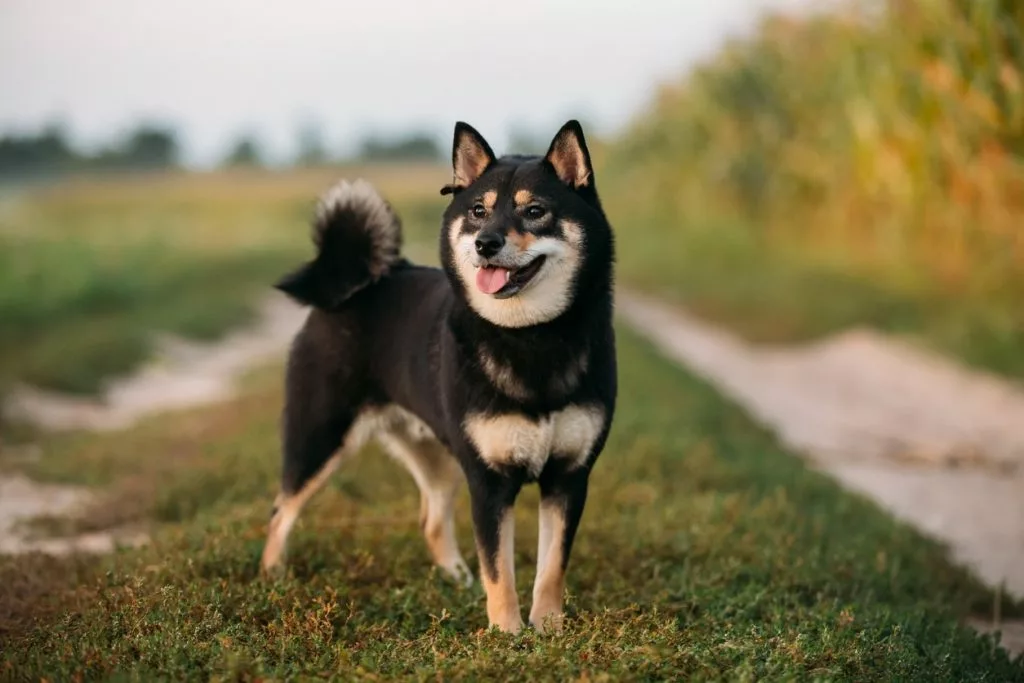
The Husky Inu is a dog breed that combines the characteristics of the Siberian Husky and the Shiba Inu. Here’s what a Husky Inu typically looks like:- Size: Husky Inus are medium to small in size, with an elegant and well-proportioned silhouette.
- Coat: Their coat is thick, soft, and of medium length, similar to that of the Siberian Husky. It is often two-toned with color variations, including white, gray, black, red, and cream. Their coats may have distinctive markings, such as facial masks and stripes.
- Eyes: Husky Inus typically have almond-shaped eyes that are dark brown, although some color variations may have blue or heterochromatic (two different colored) eyes.
- Ears: Their ears are pointed and erect, resembling those of the Shiba Inu.
- Tail: The Husky Inu’s tail is bushy and carried curled over the back, similar to that of the Shiba Inu.
- Expression: They often have an alert, lively, and curious expression.
- Build: Their build is sturdy and well-muscled, reflecting their Siberian Husky heritage.
- Height: Husky Inus typically stand at a shoulder height of 30 to 45 centimeters and weigh between 10 and 20 kilograms.
Exercise and activity
Given that Siberian Huskies are known for their extremely high levels of activity and energy, Husky Inus will have an insatiable need for physical exercise and mental stimulation.
Obedience training is an absolute necessity for this breed. It is crucial to be firm, confident, and consistent in the training of the Husky Inu while avoiding being excessively authoritarian or cruel.
Huskies in general do not tolerate solitude well and constantly seek the company of humans and/or other dogs. On the other hand, the Shiba Inu typically appreciates being independent and may not necessarily express a need for attention or affection.
In theory, it is possible that these two character traits could be balanced by crossbreeding these two dog breeds. However, as is often the case with hybrid dogs, there is little certainty about which characteristics will be dominant and which will be recessive.
The adoption of a Husky Inu or any other mixed-breed dog, therefore, requires careful consideration and adequate preparation to meet the individual needs of the dog, whether inherited from the Siberian Husky or the Shiba Inu. Proper training, regular exercise, and balanced attention will be essential to ensure the well-being of your four-legged companion.
Grooming
Shiba Inus already shed a noticeable amount of fur, but Huskies shed even more.
So, if you decide to adopt a Husky Inu, you’ll need to invest a lot of time in brushing their coat. It’s important to mentally prepare yourself for seeing a significant amount of fur in your home.
However, despite this potential fur loss, the love and loyalty your Husky Inu will offer you will more than make up for these minor inconveniences. An effective brush and proper grooming will help you manage this challenge efficiently and maintain the cleanliness of your home. 🐶
Diet
Here, we firmly recommend a fresh diet, whether in the form of homemade meals or a raw diet, for all dogs. When properly managed, this type of diet proves to be the best decision you can make for your dog’s health.
The Husky Inu, due to its highly energetic and active nature, as well as its specific dietary requirements, particularly benefits from this type of diet. It’s possible that your Husky Inu may need less food than other dogs of similar size because Siberian Huskies have developed great efficiency in food processing. This adaptation emerged from their need to survive in some of the harshest environments on the planet, where food was scarce.
By choosing a fresh diet, you give your Husky Inu the best chance to thrive and stay in excellent shape. Don’t forget to consult your veterinarian to develop a diet tailored to your four-legged companion, taking into account their individual needs in terms of quantity and nutritional composition. Your Husky Inu will be grateful for a healthy and happy life by your side.
Subscribe and save 20% on your first order 🎁
Owning and Caring for a Husky Inu
While the Husky Inu can pose a challenge for novice or inexperienced dog owners, some are simply enchanted by the unique appearance and characteristics of these magnificent breeds. The allure of these dogs, with their distinctive beauty and intriguing personality, can be irresistible to those who are willing to take on the challenge of understanding them and meeting their specific needs.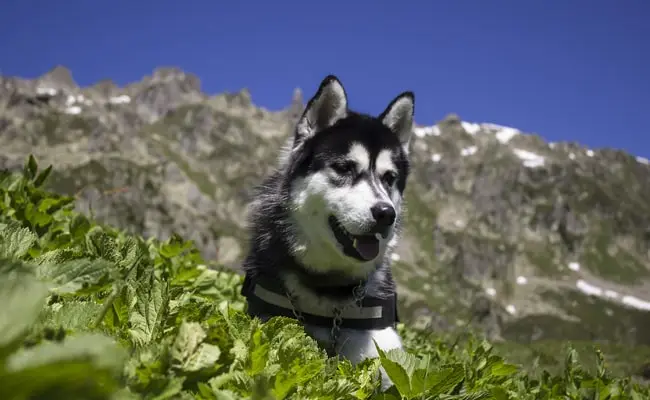
Physical Characteristics and Lifespan
The Husky Inu, on the other hand, is a dog that exhibits a well-balanced, muscular, and compact appearance, typically weighing between 9 and 14 kilograms, with a maximum height of around 45 centimeters. Its appearance resembles that of a fox or wolf, characterized by erect ears and piercing, intelligent eyes, which can vary in color. The Husky Inu sports a “sickle” tail. Its uniqueness lies in its double coat, and it comes in a range of various colors. The most common coloration for this breed is black and white. Regarding lifespan, a Husky Inu can typically live between 11 and 13 years, thus providing its owners with many years of loyal companionship and cherished moments shared.
Aiko & Lucas
In the car, off to Saint Gaudens, to get a Shiba Inu. That's where I first saw Aïko at a breeding place called "La maison du Shiba."
It was the beginning of an incredible adventure, and today, Aïko is a traveling Shiba: 🇫🇷 🇧🇪 🇨🇦
And no, it's not a joke!
I'm Lucas Fonseque, a digital nomad and SEO expert consultant. Besides work in my life, I have my Shiba Inu whom I love more than anything: Aïko 🦊 ❤️