
Shiba Inu puppy
The Shiba Inu, with its irresistible charm and captivating personality, has become one of the most sought-after and beloved dog breeds worldwide.
If you are considering welcoming an adorable Shiba Inu into your home or if you are already the proud parent of one of these beautiful puppies, this article is for you.
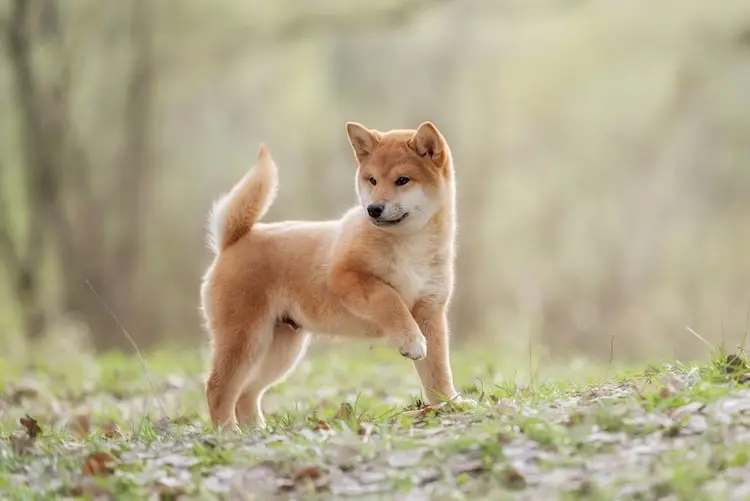
We have compiled a comprehensive guide that will help you better understand this fascinating breed, from choosing a reputable breeder to the crucial stages of your Shiba Inu’s development. You will also discover the essentials you’ll need as a new Shiba Inu puppy owner, as well as practical tips for house training, an essential step in the education of any puppy.
Get ready to dive into the captivating world of Shiba Inus and acquire all the knowledge necessary to provide your new four-legged friend with a happy and fulfilling life. So, without further ado, let’s explore the enchanting world of Shiba Inu puppies together and learn how to create a safe, healthy, and stimulating environment for your loyal canine companion.
Where to Find a Shiba Inu Puppy?
When you are absolutely certain, with unwavering conviction at 110%, that a Shiba Inu is the perfect canine companion to harmonize seamlessly with your own personality and your family’s unique fabric, the wisest step in your quest to acquire a Shiba Inu puppy would be to look for a breeder accredited by the AKC (American Kennel Club). Diverging radically from their more conventional counterparts, these accredited breeders exude unbridled pride in orchestrating the birth of top-notch Shiba Inus, which, in turn, serve as distinguished ambassadors for the breed, passionately advocating for its merits with the utmost zeal and finesse. Furthermore, it would be opportune to consider the idea of contacting Shiba Inu rescue facilities in your local area. There is the enticing prospect that such an establishment may house a young Shiba Inu puppy or a Shiba Inu in their youth, eagerly seeking the embrace of a warm and loving home.Choosing a Shiba Inu Breeder
When considering acquiring a precious purebred, it is imperative to make sure you are dealing with a reputable breeder. During your selection process, trust your instincts, as if you have any doubts about a breeder, it is highly advisable not to proceed with the transaction! Here are some pertinent questions to ask the prospective breeder:- How many litters do you typically have in a year? If the number is low, you may need to be placed on a waiting list.
- Do the puppies receive early socialization with other dogs and humans? Early socialization has been proven to greatly facilitate the puppy’s adaptation and interactions.
- Do you specialize exclusively in breeding one type of dog? If the breeding involves multiple canine species, it might suggest that it’s not necessarily the wisest choice.
- Request a breakdown of their associated expenses, including food costs, vaccinations, and the provision of a crate.
- It is equally imperative to ensure the presence of a written contract, clearly outlining all conditions.
Before Your Puppy Arrives Home
The arrival of a new life in your residence requires thoughtful deliberation and careful planning to ensure happiness, safety, and comfort for both the human family members and the lineage of the young puppy. It is essential to ensure that your schedule has sufficient intervals to dedicate to your new canine companion. You must be emotionally prepared to take on this new responsibility and be ready for any unexpected events, such as veterinary care and other contingencies. Shiba Inus stand out among the few remaining ancestral dog breeds. Their closer genetic relationship with wolf ancestors and lower degree of domestication, compared to other non-ancestral dog breeds, make them unique beings. Therefore, it is of great importance to familiarize and educate your young Shiba Inu from an early age.The First 6 Months of Your Shiba Inu Puppy
During the post-weaning period and throughout the first six months of your young Shiba Inu’s life, it is imperative to dedicate a substantial amount of time to socialization and acclimation to a variety of stimuli such as different sounds, people, handling, baths, other canines, and much more. Before allowing your precious puppy to interact with other members of its own species, it is crucial to ensure that it has received all essential vaccinations. Provide a confined and secure space for your young canine companion. Prepare a cozy and warm spot for rest, an area dedicated to food and water, and also a place for its natural needs. Note: Shiba Inus are naturally inclined to cleanliness, which will greatly simplify the house training process for your loyal companion. The chosen location for your young Shiba Inu’s residence should be in close proximity to the most active areas of your home. The goal is to prevent your new pet from feeling isolated or excluded. The constant presence of yourself and other family members will be a precious comfort for the emotional well-being of your budding Shiba Inu. It’s wise to provide your puppy with a few plush toys so they can identify with their former littermates.3 Things to Remember About Your Shiba Inu Puppy
The Shiba Inu captures the interest and affection of many people. This breed, originating from Japan, is known for its elegant beauty and distinctive character. Here are 3 things to keep in mind:
Attachment to Their Family
Although Shiba Inus may appear aloof on the outside, they typically develop strong bonds with their human family. They can be loyal and affectionate towards their loved ones, even if they are reserved with strangers.Independence and Pride
Shiba Inus are known for their independent personality and pride. They often have strong characters and can be a bit stubborn. It’s important to treat them with respect and encourage them rather than forcing them, as they are more likely to cooperate willingly.Cleanliness Needs
They are naturally clean dogs and tend to groom themselves like cats. They are known for their ability to be house-trained. This means they can be easier to potty train than some other breeds.
Life Stages and Puppy Development of the Shiba Inu
The puppyhood phase is undeniably crucial in their existence. It is the cornerstone that will shape your Shibou’s personality, behavior, and overall health for the years to come. It’s during this critical window of 8 to 12 weeks that your Shiba will successfully or unsuccessfully assimilate all the intricacies of daily life. Only during this period and no other can you exert a lasting influence on your Shiba’s mental health and prepare them to become a well-adjusted and obedient member of your family. The various stages of a puppy’s life are clearly defined, from birth until about one year old.From birth to 12 days of age - Shiba Inu puppy's neonatal period
During the neonatal period, which begins immediately after birth, your young puppy is still in visual darkness, but they have already started the process of acquiring knowledge.
The little companion will spend most of this stage bonding and staying close to their mother and littermates.
At this stage, breeders or human caregivers should initiate handling of the puppy to stimulate their learning and familiarize them with human touch.
Even the slightest stimulation, such as handling and sounds, can have an impact on the young puppy’s learning and adaptation mechanisms.
13 to 20 days - Puppy transition period
Your adorable puppy is gradually discovering the wonders of perception as their eyes gently open. The little one can now perform their natural needs, urinating and defecating without maternal assistance, while taking their first steps, although they may resemble an uncertain dance.
During this crucial phase, the puppy should be exposed to a variety of sensory stimuli, including gentle handling, diverse sounds, and other stimuli to promote their cognitive development.
However, since puppies do not yet have the protection of vaccinations, it is essential that anyone interacting with them maintains strict hand and sterile clothing hygiene.
This is the opportune time to introduce some playful toys that emit intriguing sounds, encouraging the puppy to explore them with curiosity.
3 to 7 weeks - Main socialization period
At this stage, the Shiba Inu puppy’s perspective and hearing improve significantly.
The growing Shiba Inu puppy is finally starting to exhibit typical behaviors of an authentic puppy. They are learning the art of barking, biting, bite inhibition, adopting postures, and observing canine etiquette towards their mother and littermates.
The puppy’s learning becomes more intense at this phase. At this stage, the puppy begins to discern the difference between rewarding experiences (play) and detrimental experiences (being reprimanded by their mother for biting too hard).
Note: The puppy should not be separated from their mother and littermates at this juncture.
Although the weaning process begins during this period, puppies continue to benefit from maternal nursing.
Puppies also benefit from acquiring socialization skills by interacting with their littermates and mother.
During this period, puppies are more exposed to handling and are introduced to new stimuli such as unusual sounds, unfamiliar objects, and a different environment.
This is also the opportune time to initiate the puppy to very short periods of isolation.
It’s important to plan for the puppy’s first veterinary visit and their initial vaccinations.
Since the veterinarian’s office will be a place the puppy will regularly visit in the future, it’s essential to ensure that their first experience is as positive as possible.
A negative experience during this initial visit could lead to the puppy developing a lasting aversion to veterinary appointments, a problem that unfortunately many dogs face.
7 to 14 weeks - Puppy's human socialization period
During this critical phase, the young Shiba Inu is welcomed into a new home, an unfamiliar environment, and a newly encountered family.
Undoubtedly, this is the prime period for the intellectual and social development of your young four-legged companion.
You should seize every opportunity to expose your puppy to a variety of novel stimuli such as unusual sounds, individuals, healthy and properly vaccinated pets, as well as various handling, including grooming and baths.
At this stage, your budding Shiba Inu’s mind is working at full throttle, reaching its peak. The concerted efforts and additional time dedicated during this stage will prove highly rewarding for the future.
It’s time to introduce your young puppy to elements such as vacuum cleaners, skateboards, bicycles, felines, loud noises, music – practically everything becomes a crucial learning experience for your loyal companion.
Start familiarizing the puppy with grooming, collars, and leash walking as early as possible at this early stage.
The most crucial advice to remember is to initiate the process gently, ensuring that each experience is positive, enjoyable, and filled with joy.
And for this to happen, it’s imperative that you display a calm mood, patience, and a positive attitude.
Unfortunately, if a puppy is not properly socialized during this crucial phase, the rest of their life could be marked by issues such as anxiety, aggression, fear, avoidance, and hyperactivity, leading to long-term suffering for the animal and its owner, or even abandonment.
8 to 11 weeks - Shiba Inu puppy's period of fear impact
During this initial phase of anxiety impact, it coincides with the crucial period of human socialization.
When the Shiba Inu puppy reaches the age of 8 weeks, they become more receptive to their environment and acquire the ability to discriminate between positive and negative experiences.
As the young puppy becomes more aware of their surroundings, they can easily develop a propensity for fear if not properly exposed to new situations.
Indeed, anything that triggers fear in the puppy during this period will have significant repercussions throughout their life if not corrected before the end of this critical period.
So, if you notice that your puppy shows fear of things like the squeaking of skateboards, you should train them to establish a positive association with these objects.
To do this, gradually and in a controlled manner expose them to low levels of stimuli while rewarding them with tasty treats during this experience.
During the fear impact period, it is imperative to closely monitor your puppy and not let them be accidentally exposed to frightening situations in your absence.
For example: When you visit your veterinarian, it may be advisable to inform the technician not to proceed with trimming your puppy’s nails, as any mistake that could cause pain will further complicate this task during the nail trimming session.
It’s better that you have already started trimming or filing your puppy’s nails as part of their desensitization training.
14 weeks to 6 months - Shiba Inu puppy's juvenile period
The juvenile stage begins when the critical socialization period comes to an end.
However, even as this socialization phase nears its conclusion, it remains imperative to continue socializing your young Shiba Inu puppy and introduce them to the rules of conduct within the household.
During this period, the Shiba Inu puppy begins to acclimate to their new environment and family. They may show signs of independence by occasionally testing established rules.
Therefore, it’s essential for you and your family members to remain vigilant about household rules and not tolerate any infractions, even minor ones.
Effective puppy training could be compromised if some family members allow the puppy to deviate from the rules. It’s recommended to maintain consistent vigilance for optimal results.
Dogs have a natural preference for structure and routine. Your young puppy will develop trust in those who provide clear structure and expectations.
During this phase, your puppy’s size and growth increase exponentially, so it’s wise to capture many photographic memories.
Sexual maturity begins to manifest towards the end of this period. Male Shiba Inu puppies start lifting their leg, which requires an introduction to socially acceptable behaviors.
The emergence of adult teeth can cause some discomfort for the puppy. It’s essential to provide them with various chew toys and correct any destructive behavior.
The best approach to managing such destructive behaviors is constant supervision. It’s imperative never to leave your Shiba Inu puppy unsupervised in uncontrolled environments, as undesirable behaviors can become ingrained during these times.
The well-known saying “an ounce of prevention is worth a pound of cure” applies fully to puppy training.
At this stage, your puppy should have received their first vaccinations. Prevention of heartworm disease and control of fleas and ticks should be initiated.
The choice of the prevention protocol that suits your dog best is your responsibility. Questions about vaccinations and prevention of heartworm disease, as well as parasites like fleas, can spark spirited debates.
Adolescence: from puberty to social maturity
Your little Shiba Inu’s adolescence is akin to that of a typical teenager, which means it can be a rather tumultuous period.
Your Shiba Inu may become a bit rebellious, but it’s important to remain firm with rules, boundaries, and limits.
During this time, you will see the results of your efforts (or their absence) during the crucial socialization phase of your puppy.
If your puppy’s socialization and training have worked well, this period should be a relatively smooth transition into adulthood.
There may be some minor challenges here and there, but consistent training and reinforcement should easily address them.
Conversely, if your puppy hasn’t been properly socialized, this period can be difficult. Often, this is when puppies are abandoned by their families.
As your puppy becomes an adult, they undergo numerous physical and mental changes.
These changes may prompt your dog to test your authority.
Even well-socialized dogs can become more stubborn and less inclined to obey your commands.
It’s important to continue working with your dog and, if possible, consider enrolling in obedience classes to reinforce their training and learn new obedience methods.
This is also the time when many dog owners consider neutering or spaying.
5 to 12 months - Impact of the puppy's second fear
Not all dogs go through this experience, or even if they do, you may not notice it right away. This period, which typically lasts for about three weeks, leads your little puppy to develop new small fears.
This second wave of fear arises due to ongoing changes in your puppy’s body and their discovery of the world around them.
They begin to see things from a different perspective and may become afraid of certain situations that didn’t bother them before, simply because they now perceive things differently.
When you notice this, it’s crucial not to push your puppy to confront these new fears.
Instead, take the time to work with them gradually to help them feel confident and reassured.
Shiba Inu puppy reaches maturity
Hooray! You and your Shiba Inu have successfully navigated the puppy phase!
If you took the time to socialize your dog, your adult Shiba Inu should be a happy, well-integrated, and obedient family member.
Around the age of one, it’s a good idea to schedule a visit to the veterinarian for an annual checkup and vaccinations. Don’t forget to check if a stool sample is needed.
You may encounter a few minor issues that require some additional training and guidance.
Remember, just because your puppy has become an adult doesn’t mean that learning stops there.
It’s a misconception that you can’t teach an old dog new tricks.
Dogs continue to learn throughout their lives.
So, keep learning together and enjoy every moment with your faithful four-legged companion!
Our Products for Shiba Fans
Are you a true enthusiast of adorable Shibas? So are we! That's why we've carefully curated a range of products designed to delight all lovers of this breed.
Discover below our selection of unique and high-quality products, perfect for showcasing your love for Shibas or spoiling your loyal four-legged companion.



Essentials for New Shiba Inu Puppy Owners
Welcoming a brand-new Shiba Inu puppy into your home is an exciting moment for you and your family! The fresh scent of the puppy, cuddles, playtime, and getting to know their personality – it’s all wonderful… But, it must be said, there are also less glamorous aspects: lots of pee and poop, little cries, meals, adorable bites, and of course, a passion for chewing everything! To ensure that you, your family, and your new Shiba Inu have enjoyable and relatively stress-free moments, preparation before their arrival at home is key. The sooner you start, the better!
The Most Important Thing to Have: A Safe and Functional Environment
Your little Shibou’s very first “room”! It’s super important to prepare the place where your puppy will live by setting everything up before their arrival. The three crucial things to consider first are safety, practicality, and comfort. Your brand-new baby will need a spot in your home where they feel good and where everything is convenient. In general, a central location like the living room is ideal. To make them feel good, avoid placing them in an isolated corner, like a bedroom. If your baby is less than three months old, they’ll probably spend the next six months in this space, so organize it well.The Puppy Must Have: Proper Nutrition
Here’s a checklist for buying:- Appropriate Food: Just like human babies, puppies need suitable nutrition to promote their brain development and maximum physical growth.
- Stay with the Mother: If possible, try to leave the puppies with their mother as long as possible. Most breeders let them go at around eight weeks, but see if the puppy can stay with its mother until 10 or 12 weeks.
- Food Choice: When selecting puppy food, do thorough research. Don’t blindly trust what commercial dog food manufacturers are trying to “sell” you. They’ve spent billions over the years, but consumers are finally starting to understand how these companies have made such profits (lower-quality ingredients and deceptive marketing).
- Brand Selection: Not all dog food companies are bad, but based on available data and studies, the vast majority of them are.
Fresh and Clean Water
Make sure the new puppy always has access to fresh and clean water at all times. The transition from a diet of just liquid milk to solid food is a significant step for these little puppies. As they can be quite active, it’s advisable to choose a spill-proof water bowl to prevent spills and save you the hassle of cleaning up.Puppy Diet
- High-quality puppy food – whether wet or dry.
- Puppy-appropriate treats.
- Fresh dietary supplements like fresh raw beef, small fish like mackerel, pumpkin, vegetables, fruits, and flax seeds.
- Natural supplements such as fish oil and spirulina.
Have a leash and collar
- A properly fitting puppy collar.
- A comfortable harness.
- Identification tags or a microchip.
- Leashes suitable for both indoor and outdoor use.
Stimulating and comforting toys
- Plush toys for your faithful companion’s comfort.
- Fetch toys, like balls, to encourage interactive play.
- Chew toys, such as Kongs, to fulfill their desire to chew.
- Noisy toys, adding an extra dimension of fun to the experience.
Grooming and health equipment
- A gentle puppy shampoo with conditioner.
- A small brush for their lovely coat.
- Dog nail clippers.
- A nail file for a smooth finish.
- Hemostatic powder to stop minor bleeding.
- A small dog toothbrush (or one for kids, it works too).
- Toothpaste specially designed for dogs.
- Optionally, a rotary nail grinder for those who want precision.
The right care products
- Paper towels for blotting up little accidents.
- Rags for all-purpose cleaning.
- Natural and eco-friendly baby wipes for tackling stains.
- Eco-friendly enzymatic cleaners to bid farewell to stubborn odors.
- And for those incorrigible chewers, anti-chew products.

How to Teach Your Shiba Inu Puppy Potty Training?
In this video, you will find tips on potty training your puppy:When to start potty training your puppy?
You should start potty training your little Shiba as early as possible, ideally around 7 weeks of age. If you’re lucky, your Shiba’s breeder may have already initiated the potty training process before your puppy moved in with you. However, this is not always the case. Many puppies have developed the habit of going wherever they please for their business. Therefore, it’s crucial to begin the potty training process as soon as your Shiba Inu arrives at home, typically around eight to eleven weeks. Given that Shiba Inus are small in size, it’s important to be realistic about their ability to hold their urine. As a general rule, larger puppies with bigger bladders are often easier to train at home simply because they can physically hold their urine for longer periods. For Shiba Inu puppies, a good rule to follow is the month/hour rule. This means that if your little Shiba Inu is one month old, they can generally hold it for about one hour. At 3 months, they should be able to hold it for approximately three hours. Keep in mind that these are just estimates, and factors like weather, playtime, and water intake will influence how often your puppy needs to go outside to do their business.How long does potty training take?
So, here’s the thing—while some puppies learn quickly, it’s important to know that potty training for our Shiba Inus can sometimes take its time, and some may not be completely reliable until they reach 6 months of age or even more. To have the best chance of success with this training, you must be consistently regular and methodical from the start. During the initial stages, you or someone in your family must be vigilant to monitor the puppy at times when they are likely to do their business. This is known as “100% management,” a technique recommended by many expert dog trainers. By being attentive and taking the necessary time to educate your little Shiba from the beginning, you will save yourself and your family a lot of trouble and headaches later on. With proper training, your Shiba can become potty trained as early as four months of age. There may be the occasional accident, of course, but overall, they should know exactly where to go for their business.The secret weapon of potty training: treats and praise
Potty training: the NO
Here are some simple and friendly guidelines to follow for potty training your adorable Shiba Inu: Do not scold them, do not yell at them, and most importantly, do not put them in an uncomfortable situation if they have an accident in the house.
By avoiding these mistakes, you will greatly facilitate their potty training process.
In reality, acting this way would only signal to them that they can’t trust you and that they need to hide to do their business to avoid your displeasure.
It’s essential to understand that every little accident in the house, after the first few days, is not their fault. At this stage, they are simply too young to understand.
It will take them some time to get used to their new home and learn where they should go for their business.
When there is an accident, ask yourself: Did you watch them after their meal, nap, or playtime? Did you notice any signs that they needed to go?
Subscribe and save 20% on your first order 🎁
Two Best Potty Training Methods: Crate Training and Pee Pad Training
Two popular, albeit sometimes controversial, methods are commonly used to accomplish this task: crate training and pee pad training. Each of these methods has its advantages and disadvantages, but they all share the common goal of helping the puppy become potty trained and adapt harmoniously to their new life within the family. In this section, we will explore these two methods in detail, highlighting their fundamental principles, benefits, and the mistakes to avoid.
Crate Training Method
One of the most common and popular potty training methods, albeit sometimes debated, is the use of a crate to train your puppy. Most professional dog trainers, behaviorists, and experts support this method and recommend it. However, there can be differing opinions, but let me tell you that when done correctly, crate training will help your puppy learn potty training more quickly and with less stress. Additionally, crates provide your puppy with a kind of “safe zone,” similar to how wild mother dogs care for their young. What is truly heartbreaking is that 40% of puppies are “given away” or abandoned during their first year of life by owners who cannot handle the “issues” they encounter. It’s clear that many of these “issues” are related to potty training or the lack thereof. By adopting the right potty training methods now and diligently putting them into practice, you are giving your new puppy the best chances of leading a happy and fulfilling life within their new family.The basics of cage training
- Shiba Inus naturally tend to avoid doing their business where they sleep and eat, making the crate an ideal place for learning.
- By using the crate when you cannot supervise your puppy, you significantly reduce the risk of accidents in the house.
- Serve your puppy’s food in their crate. Most dogs, including Shiba Inus, avoid doing their business where they eat. This trick is especially effective with Shibas, known for their cleanliness.
- Take it slowly. Don’t force the crate on your puppy. Use treats to lure them inside. Initially, leave the door open so they can come and go freely. Gradually start closing the door for short periods while staying nearby. Use the crate after your puppy has done their business, so they associate it with a pleasant resting place.
- Make the crate comfortable. You don’t need to invest in luxurious cushions. An old towel will do just fine. Towels are practical to wash in case of accidents, as they can happen.
- If your puppy pees in the crate, remove the bedding. Some Shiba Inu puppies prefer to urinate in a soft space. If this happens, remove the bedding. Your puppy can sleep in the crate without a cover for a while. While this may seem tough, it will greatly contribute to potty training by preventing your puppy from urinating in the crate.
What not to do when crate training your puppy
- Never make the crate a punishment. If your puppy associates the crate with negative experiences, it will become ineffective. The crate should be a pleasant refuge for your puppy. Many adult Shiba Inus who were introduced to the crate as puppies willingly return to it as adults.
- Never leave accidents untreated in the crate for too long. In the case of an accident, clean the crate thoroughly with an enzymatic cleaner. Even a slight residual odor will encourage your puppy to use the crate as a toilet again.
- Do not leave your Shiba Inu puppy in the crate for excessively long periods. It is unrealistic to expect them to remain confined for 8 hours while you are at work all day. Your puppy may not be physically capable of holding it in for such a long time.
What happens if your Shiba Inu puppy "poops" in the crate?
- Use enzymatic cleaners rather than conventional household cleaning products like ammonia or bleach. Enzymatic cleaners are more effective at eliminating any trace of urine odor.
- Also, make sure to clean and wash any blankets and toys that have been soiled.
What not to do when crate training your puppy
Crate training a Shiba Inu puppy, like any other breed, requires careful consideration and patience. Here are some “what not to do” tips when crate training your Shiba Inu:
1. Don’t use the crate for punishment: The crate should be a positive and safe space for your puppy, not a place of punishment. Avoid using it as a time-out or for disciplinary measures.
2. Don’t leave your puppy in the crate for extended periods: Puppies have limited bladder and bowel control, so it’s essential to let them out for potty breaks regularly. Don’t leave your Shiba Inu crated for more than a few hours at a time, especially when they are very young.
3. Don’t force your puppy into the crate: Coax your Shiba Inu into the crate with treats, toys, or praise rather than pushing or dragging them inside. Make it a pleasant experience.
4. Don’t leave your puppy alone in the crate too soon: Gradually increase the amount of time your puppy spends in the crate. Start with short intervals and gradually extend them as your puppy becomes more comfortable.
5. Don’t neglect crate training altogether: While it’s important not to overuse the crate, it’s also crucial not to skip crate training altogether. Proper crate training helps with housebreaking, keeps your Shiba Inu safe, and provides them with a secure den-like space.
6. Don’t use the crate as the primary confinement method: Puppies need socialization, exercise, and interaction with their owners. Don’t rely solely on the crate to contain your Shiba Inu; it’s just one tool in their training.
7. Don’t leave your Shiba Inu in a crate with a collar on: Remove your puppy’s collar before placing them in the crate to prevent any potential accidents or injuries from collar entanglement.
8. Don’t make the crate too big: A crate that is too spacious might encourage your Shiba Inu to eliminate in one corner and sleep in another. Use a divider or an appropriately sized crate to discourage this behavior.
9. Don’t ignore signs of distress: If your Shiba Inu shows signs of anxiety, such as excessive whining, barking, or scratching at the crate, address their concerns. Gradually work on making the crate a more comfortable and positive place.
10. Don’t rush the process: Crate training takes time and patience. Be consistent with your training efforts and allow your Shiba Inu to adjust at their own pace. Avoid rushing the process or expecting immediate results.
Remember that every Shiba Inu puppy is unique, and crate training may take longer for some than others. Stay patient, positive, and consistent in your approach to help your Shiba Inu become comfortable and well-adjusted to their crate.

Aiko & Lucas
In the car, off to Saint Gaudens, to get a Shiba Inu. That's where I first saw Aïko at a breeding place called "La maison du Shiba."
It was the beginning of an incredible adventure, and today, Aïko is a traveling Shiba: 🇫🇷 🇧🇪 🇨🇦
And no, it's not a joke!
I'm Lucas Fonseque, a digital nomad and SEO expert consultant. Besides work in my life, I have my Shiba Inu whom I love more than anything: Aïko 🦊 ❤️
Potty Training Method
Some dog trainers recommend avoiding puppy pads because they’re concerned that your little one may think it’s okay to do their business inside the house. However, let’s be realistic—how can apartment owners safely take their unvaccinated puppies outside? It’s a real puzzle because it wouldn’t be safe or practical. That’s why many people opt for potty training with special pads as the first step for their new four-legged friends. This teaches your dog where they can and cannot go potty. To maximize your chances of success, it’s advisable to use the puppy pad method with a playpen for puppies. Your little companion shouldn’t roam freely in the house at all times, especially without supervision. Later, once your puppy is fully vaccinated and ready to go outside, you can start teaching them to do their business outdoors. Don’t worry, with patience and consistency, your puppy will eventually understand that they should go potty outside and may even enjoy it.From Puppy Pads to Outdoor Spaces:
Once your little puppy is fully up-to-date on vaccinations, you can start teaching them cleanliness by moving their “potty area” closer to the main door. Pay attention to key moments when they need to go potty and always take them outside at those times. During your potty outings, don’t forget to bring some small treats with you and enthusiastically praise them when they do their business outside. Repeat this process daily, gradually increasing the time between potty outings. Continue to maintain an indoor “potty area” until your puppy has developed the habit of regularly going potty outdoors. And don’t forget to use “keywords” for potty training. For example, when you’re getting ready to go out, say “Let’s go potty!” And when you sense that they are about to go potty, use this keyword that they will associate with this specific act (avoid using vulgar or overly conspicuous words). By using these keywords early in their training, potty outings will become easier and quicker for both of you.Use dog walking services
- Ask for recommendations from your friends, neighbors, or even your veterinarian. Often, the best dog walkers are known through word of mouth.
- You can also find companies specializing in dog walking. Most of them have online reviews. Check out the reviews for dog walkers in your area and arrange some meetings. Additionally, some of these companies offer GPS tracking, allowing you to follow your dog’s route during the walk and receive regular updates from the walker.
- Schedule a meeting to observe how the walker interacts with your Shiba Inu. If you don’t feel a good connection, don’t hesitate to explore other options, as your dog’s well-being is essential!

Conclusion
House training a Shiba Inu puppy may seem like a challenge, but with the right approach, patience, and love, it’s entirely possible to achieve success. We recommend starting early, ideally as soon as your Shiba Inu arrives home. Using puppy pads or designated indoor areas can be a practical first step, especially for those living in apartments. This prevents your puppy from relieving themselves anywhere in the house. It’s essential to transition to outdoor potty training once your puppy is fully vaccinated. To facilitate this transition, gradually move the location where they go potty closer to the main door. Hiring a dog walker can be a great help, especially if you work outside the home. This allows your puppy to take a break in the middle of the day, relieve themselves, and socialize with another dog lover. The use of positive reinforcement is fundamental. Praise and reward your puppy every time they go potty outdoors. Also, use specific cues to signal walk and potty time. This early communication will help them quickly understand your expectations. In conclusion, remember that Shiba Inus are intelligent and easily trainable dogs. With patience, consistency, and love, your Shiba Inu will soon be house trained and eager to please you. House training is a crucial step in their development, strengthening the bond between you and your loyal four-legged companion.Puppy FAQs
What is the price of a Shiba Inu puppy?
In France, the average price of a Shiba Inu from a quality breeder can generally range between 1,200 and 2,500 euros, or even more, depending on the circumstances and your location (it will inevitably be more expensive in Paris than in Saint Gaudens). I bought Aïko for 1,200€! Keep in mind that for a female, there is usually an additional cost of 200€. I also recommend being cautious about ads you see on Leboncoin and reserving your Shiba (male or female) in advance. That’s the same in US, Uk and Aus, you just need to convert € in $.
How many puppies per litter for Shiba Inus?
The average litter size for Shiba Inu puppies generally varies from 2 to 5 puppies.
How many hours does a puppy sleep?
- Newborns (0-2 weeks): approximately 18 to 20 hours per day. They wake mainly to nurse and be fed by their mother.
- 2 to 4 weeks: As they grow, puppies start to awaken gradually and explore their surroundings. They still sleep a lot but may be awake for short periods, increasing the time they are awake.
- 4 to 12 weeks: approximately 15 to 18 hours of sleep per day. They are more active, play more, and start to learn social and play skills.
- 3 to 6 months: approximately 14 to 16 hours per day, but their awake periods are longer. They still have a lot of energy and need to play and learn.
- After 6 months: approximately 12 to 14 hours of sleep per day.
How can I tell if my Shiba is LOF (French Pedigree)?
- Request the pedigree certificate: The simplest way is to ask the previous owner or the breeder of your Shiba Inu if they have a LOF pedigree certificate. This document is issued by the Société Centrale Canine (SCC) in France and certifies the origin and lineage of your dog.
- Contact the SCC: If you don’t have the pedigree certificate, you can contact the SCC directly. The SCC maintains a registry of dogs registered in the LOF. You can reach them by phone or visit their website to get information on the procedure to verify your Shiba Inu’s LOF registration.
- Check the tattoo or microchip number: The LOF pedigree certificate usually contains your dog’s tattoo or microchip number. You can verify this number with the SCC to confirm their registration in the LOF.
- Consult the breeder: If you purchased your Shiba Inu from a reputable breeder, they should be able to provide you with all the necessary information about your puppy’s LOF registration.
What type of puppy food?
Personally, I tried Royal Canin when mine was a puppy, and it caused some skin issues on his lower back. So, I switched to Ultra Premium Direct, and he’s doing great! There are many brands available on the market, so it’s up to you to test and see which one your Shiba prefers. Some options include Royal Canin, Hill’s Science Diet, Eukanuba, Pro Plan (Purina), Nutro, Orijen, Acana, Carnilove, Canidae, Farmina, Taste of the Wild, Belcando, Bosch, Lupovet, Specific, Nutrikood, and more.