
Japanese dog guide
Throughout time, dogs have woven a special bond with humans. However, few countries can rival Japan when it comes to the richness and depth of the canine heritage.
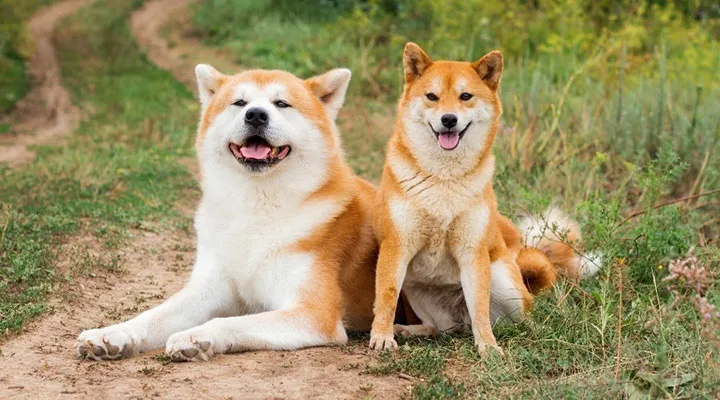
Japanese dogs, with their rich histories and unique personalities, have long been iconic figures in the Land of the Rising Sun. These canines, with ancient and mysterious origins, have captured the hearts of dog enthusiasts worldwide with their natural charm, elegance, and endearing character.
In this article, we invite you to delve into the fascinating world of Japanese dogs. Whether you’re a fan of these breeds or simply curious to learn more, we’ve gathered a wealth of comprehensive information to guide you through this canine adventure.
From the legendary Shiba Inu, considered the kings of Japanese pups, to the Akita Inu, symbols of nobility and loyalty, and the rare and powerful Kai Ken, each breed has its distinctive characteristics and its own role in Japanese history.
But this article goes beyond discussing breeds and physical traits. We’ll also explore essential aspects of life with a Japanese dog, from training to health and nutrition, and provide practical tips to help you establish a harmonious relationship with your faithful companion.
Japanese canines are not just pets; they are also ambassadors of Japanese culture. We’ll discover how they’ve influenced art, literature, cinema, and Japanese society in general, becoming global icons in the process.
Beyond the cultural aspect, we’ll also explore areas where Japanese dogs have excelled, such as animal therapy, search and rescue, extreme dog sports, and more. These versatile canines once again demonstrate their ability to adapt to various situations and exhibit unwavering loyalty to their masters.
Whether you’re already the proud owner of a Japanese dog or considering adopting one, this article will provide you with a comprehensive resource to better understand these wonderful four-legged companions. Get ready to immerse yourself in the enchanting world of Japanese pups, learn more about their history, culture, and impact on the canine world, and develop an even deeper admiration for these extraordinary creatures.
The Most Popular Japanese Dog Breeds
Japan, as an island nation, has preserved unique canine species that have evolved over centuries to adapt to different regions and the specific needs of the Japanese population.
In this section, we will explore the most popular Japanese dog breeds, each with its own distinctive characteristics.
- Shiba Inu: The Shiba Inu, often nicknamed the “Japanese fox” due to its resemblance to the fox, is one of Japan’s most iconic breeds. Known for their spirited temperament, intelligence, and shiny red coat, Shibas are beloved pets worldwide.
- Akita Inu: Powerful and majestic, Akita Inu dogs are known for their imposing stature and unwavering loyalty to their family. They are often associated with Japanese nobility and are famous for their role in the movie “Hachiko Monogatari.”
- Hokkaido Inu: Hailing from the island of Hokkaido, this breed is hardy and agile. Hokkaido Inu dogs are talented working animals, used for hunting large game such as bears.
- Kishu Ken: Kishu Ken dogs are devoted and unobtrusive guardians. Their immaculate white coat is one of their most distinctive features, and they are known for their calm and thoughtful nature.
- Shikoku Ken: Energetic and dynamic, originating from Shikoku Island, they have strong personalities and are valued for their intelligence and agility.
- Kai Ken: Kai Ken, also known as “Tora” or tiger dogs, are rare and precious. Their distinctive markings make them unique and mysterious pups.
In the following sections of this article, we will delve deeper into each breed, exploring their physical characteristics, behavior, specific needs, and history.
Whether you’re looking for a new four-legged companion or simply wish to learn more about these fascinating breeds, you’ll find a wealth of information here to guide you on your journey of discovery about these canines.
3 things to remember about Japanese dogs
Exceptional loyalty
Japanese canines like Hachiko are famous for their extraordinary loyalty to their owners.
Unique breeds
Japan is home to several distinct Japanese dog breeds, including the Shiba Inu, Akita Inu and Shikoku, each with its own characteristics and history.
Cultural heritage
Japanese dogs are deeply rooted in Japanese culture, playing a variety of roles, from faithful companion to sacred temple guardian.
The 12 Most Well-Known Japanese Dog Breeds
Let’s explore together 12 canines that are known in Japanese culture through various characteristics including their histories, appearances, temperaments, health, training and socialization, companionship, and their significance in Japan.
We’ll start with the flagship breed, the Shiba Inu:

Shiba Inu: The King of Japanese Dogs
Among canines, the Shiba stands out as a true icon of grace, liveliness, and charm. It is a breed that has captured the hearts of dog enthusiasts worldwide with its unique characteristics and captivating temperament.
- History and Origins: Shiba Inus have ancient roots in Japan, dating back over 2,000 years. They were originally used for hunting small game and birds in the mountainous regions of Japan. The word “Shiba” literally means “small” in Japanese, and this breed gets its name from its modest size.
- Physical Appearance: Shibas are well-proportioned small dogs with an elegant demeanor. They are characterized by their dense coat and distinctive curled tail. The most common coat colors include red, sesame, black and tan, as well as cream.
- Temperament: Shibas are known for their spirited and independent personality. They are curious, intelligent, and have a strong hunting instinct. However, they can sometimes be stubborn and prefer to do things their own way.
- Health and Care: Like all breeds, Shibas have specific health needs, especially concerning their dense coat. They are also prone to certain hereditary conditions, which require special attention to their health.
- Training and Socialization: Early training and socialization are crucial for Shiba Inus. They need clear rules and positive social interaction to thrive as balanced companions.
- As a Companion Dog: They make excellent companion dogs for knowledgeable owners who understand their independent nature. Their compact size makes them suitable for apartment living, but they require regular exercise and mental stimulation.
- Famous Anecdotes: It became a worldwide sensation through internet memes featuring the “Doge,” a Shiba Inu with a piercing gaze and legendary captions in Comic Sans.
In summary, the Shiba is a fascinating Japanese dog that combines beauty and a unique personality. Whether you’re considering adopting one or simply curious to learn more about this breed, you’ll find all the essential information in our article to understand and appreciate the Shiba Inu.




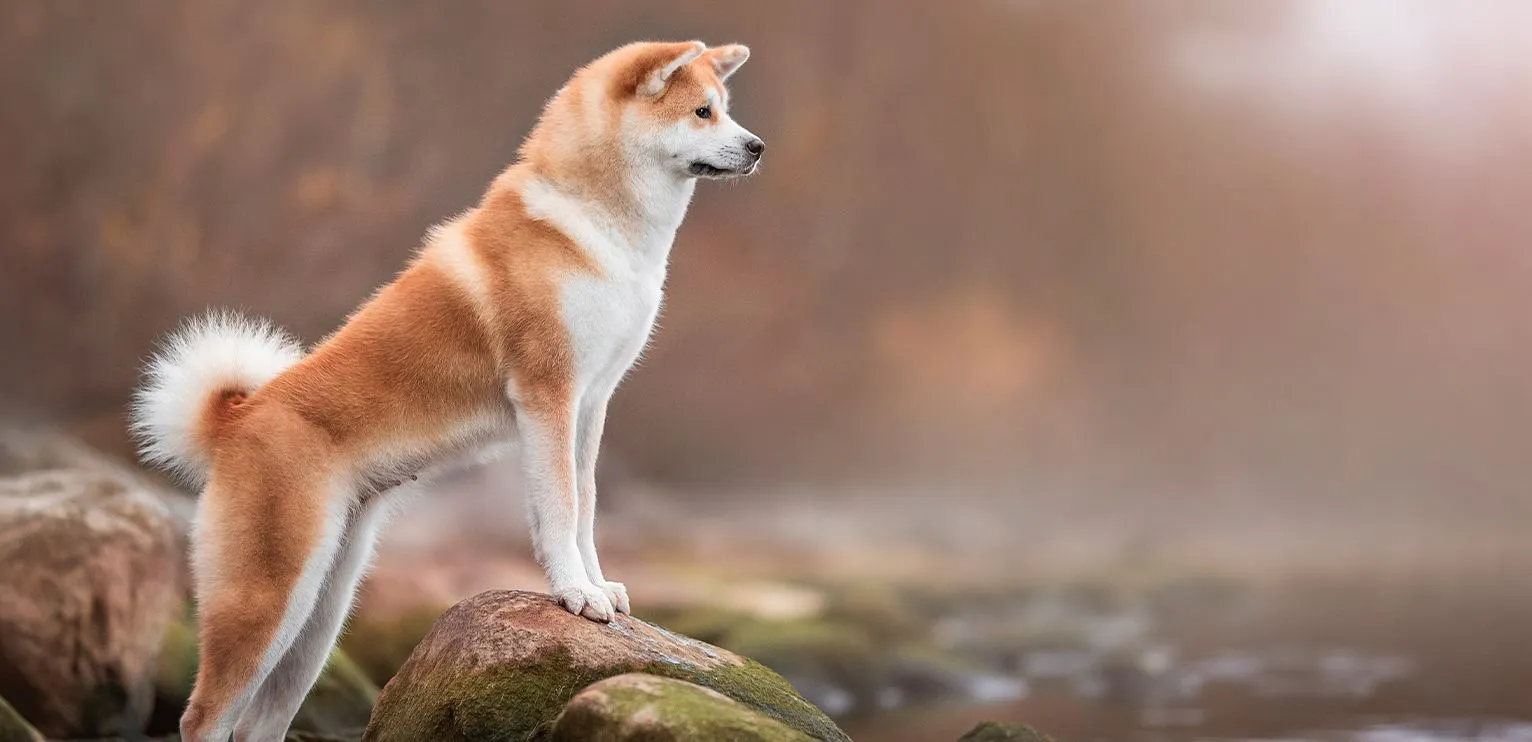
Akita Inu: The Embodiment of Japanese Nobility
The Akita Inu, a majestic and noble breed, holds a special place in Japanese history and culture. Renowned for their imposing stature and unwavering loyalty, Akitas are not only exceptional companion animals but also symbols of prestige and devotion.
- History and Origins: It gets its name from the Akita Prefecture, located in northern Japan. This breed has ancient roots and was originally bred for hunting large game such as boars and bears.
- Physical Appearance: They are large, muscular dogs with an imposing head and erect ears. Their dense coat can be red, white, brindle, or tiger-striped. They have a thick tail that curls slightly over their back.
- Temperament: They are known for their loyalty to their family but can be reserved around strangers. They are dignified, calm, and loyal, making them excellent home guardians.
- Health and Care: Like many large breeds, Akitas can be prone to certain health issues, including hip dysplasia. A balanced diet and exercise are essential for their health.
- Training and Socialization: They are intelligent and independent, which can make them occasionally stubborn. Firm and consistent training, based on reward and positivity, is necessary to guide them.
- As a Companion Dog: They make excellent companion dogs for families that understand their specific exercise and training needs. They are affectionate towards their family but their protective nature can make them wary of strangers.
- Famous History: Hachiko – Perhaps the most famous Akita in Japan is Hachiko, who became a symbol of legendary loyalty. Hachiko’s story, waiting for his deceased owner at Shibuya Station for nine years, is a poignant illustration of this breed’s loyalty.
In summary, the Akita embodies Japanese nobility through its majestic appearance and faithful character. This exceptional breed deserves all our admiration for its role in Japan’s history and its ability to become a devoted companion for those who choose to welcome them into their homes.

Hokkaido Inu: The Dog of the Wild Lands
The Hokkaido Inu, also known as the Ainu dog, is a robust and characterful Japanese breed. Originating from the northern island of Japan, Hokkaido, it evolved to withstand the harsh conditions of this mountainous region. In this section, we will explore this unique breed and its distinctive characteristics.
- History and Origins: The Hokkaido gets its name from Hokkaido Prefecture, where it was developed by the indigenous Ainu people. These dogs were initially used for hunting game, including bears and deer, in the vast forests of Hokkaido.
- Physical Appearance: They are medium-sized, well-muscled, and sturdy dogs. Their thick coat comes in red, brindle, white, or black and tan. They have triangular, upright ears and a tail that curls over their back.
- Temperament: They are known for their reserved and independent nature. They are loyal to their family and make excellent guard dogs. However, they can be wary of strangers.
- Health and Care: This breed is generally robust, but like all dogs, they can be prone to certain health issues. A balanced diet and adequate exercise are essential for their well-being.
- Training and Socialization: They are intelligent and can be stubborn. Early training and positive socialization are important to help them thrive as companion dogs.
- As a Companion Dog: They are well-suited to outdoor and more rural environments. They can be loyal companions for those who appreciate their independent character and exercise needs.
- The Hokkaido Inu in Japanese Culture: This breed holds a special place in Japanese culture due to its connections with the Ainu people. The Hokkaido is also designated as a natural monument in Hokkaido Prefecture.
In conclusion, the Hokkaido Inu is a Japanese dog that embodies resilience and determination. Its fascinating history and independent nature make it an interesting choice for dog enthusiasts looking for a companion that can adapt to the most demanding conditions.

Kishu Ken: A Discreet yet Loyal Guardian
The Kishu Ken, also known as Kishu Inu, is a discreet yet loyal Japanese dog breed known for its pure beauty and steadfast character. Originating from the Kishu region in Japan, this dog possesses unique characteristics that make it a cherished companion for those who appreciate its quiet and devoted nature. In this section, we will delve into the world of the Kishu Ken and discover what sets it apart.
- History and Origins: The Kishu Ken is an ancient breed that has been bred for centuries in the Kishu region, now known as Wakayama Prefecture. It was primarily used for hunting large game, such as wild boars and deer, in the wooded mountains of the region.
- Physical Appearance: Kishu Ken dogs are of medium to large size, with an elegant and well-proportioned appearance. Their coat is pure white, making it one of their most distinctive features. They have upright, triangular ears and a tail carried high.
- Temperament: Kishu Ken are known for their calm and thoughtful nature. They are reserved around strangers but deeply loyal to their family. This breed is renowned for its tranquility and dignity.
- Health and Care: Kishu Ken dogs are generally healthy, but they can be prone to certain conditions, including hip dysplasia. A balanced diet, exercise, and regular dental care are essential for their well-being.
- Training and Socialization: They are intelligent and independent. Consistent reward-based training is necessary to help them thrive as well-rounded companions.
- As a Companion Dog: Kishu Ken can make excellent family pets for those who understand their reserved nature. They are loyal and devoted to their family, although they may be wary of strangers.
- Kishu Ken in Japanese Culture: This breed is dear to the hearts of the Japanese people and is even designated as a natural monument in Japan. Its pure white coat is often associated with purity and nobility.
In summary, the Kishu Ken is a Japanese dog of understated elegance and deep loyalty. Its classical beauty and faithful nature make it a cherished choice for those who appreciate serenity and grace.

Shikoku Ken: Concentrated Energy in a Dog
The Shikoku Ken, originating from the island of Shikoku in Japan, is a dynamic and energetic Japanese dog breed. Renowned for its liveliness and agility, the Shikoku Ken embodies vitality concentrated in a medium-sized dog. In this section, we will delve into the world of the Shikoku Ken and explore what makes it unique.
- History and Origins: The Shikoku Ken is an ancient breed dating back several centuries. It was initially used for hunting small game in the mountainous and wooded regions of Shikoku. Its name comes from the original island where it was bred.
- Physical Appearance: Shikoku Ken dogs are of medium size, well-proportioned, and muscular. They have an elegant head, upright ears, and a tail curled over the back. Their dense coat is often sesame, red, or black and tan in color.
- Temperament: This breed is known for its alert, intelligent, and active nature. Shikoku Ken dogs are curious and have a strong hunting drive. They are loyal to their family but can be wary of strangers.
- Health and Care: Shikoku Ken dogs are generally healthy, but like all breeds, they can be prone to certain conditions. They require regular exercise to stay fit and healthy.
- Training and Socialization: Shikoku Ken dogs are intelligent but can be independent, requiring consistent reward-based training. Early socialization is important to help them get along with other dogs and unfamiliar people.
- As a Companion Dog: Shikoku Ken dogs make excellent pets for active families who can meet their exercise needs. They are loyal to their family and can form deep bonds with their owners.
- Shikoku Ken in Japanese Culture: This breed is appreciated in Japan for its liveliness and intelligence. While it may not be as well-known as some other Japanese breeds, it is cherished by those who appreciate its energetic personality.
In summary, the Shikoku Ken is a Japanese dog full of energy and agility. Its liveliness makes it an ideal companion for outdoor enthusiasts and active families.
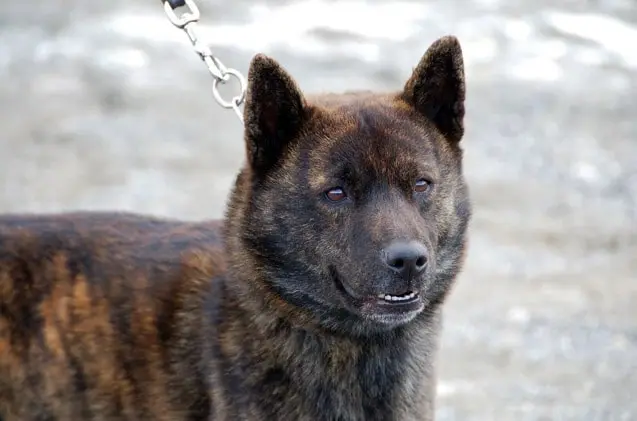
Kai Ken: The Tiger-Striped Dog of Japan
The Kai Ken, nicknamed the “tiger dog” due to its distinctive markings, is a rare and fascinating Japanese breed. Originating from the mountains of Yamanashi Prefecture, Japan, the Kai Ken stands out with its unique character and tiger-striped appearance. In this section, we will delve into the world of the Kai Ken and explore its distinctive features.
- History and Origins: The Kai Ken is an ancient breed with origins dating back centuries. It was initially bred for hunting large game, including boars and deer, in the wooded mountains of the Kai region.
- Physical Appearance: Kai Ken dogs are of medium size, well-proportioned, and muscular. Their fur is tiger-striped, making them unique among Japanese breeds. They have upright triangular ears and a tail curled over their back.
- Temperament: Kai Ken are known for their independent and reserved nature. They are loyal to their family but can be wary of strangers. They possess a strong hunting instinct and are agile and determined.
- Health and Care: Kai Ken are generally healthy, but like all breeds, they can be prone to certain conditions. A balanced diet and exercise are essential for their well-being.
- Training and Socialization: Kai Ken are intelligent but can be stubborn, requiring consistent reward-based training. Early socialization is important to help them get along with other dogs and unfamiliar people.
- As a Companion Dog: Kai Ken make excellent pets for owners who appreciate their independent nature and unique character. They are loyal to their family and can form deep bonds with their owners.
- Kai Ken in Japanese Culture: Although not as well-known as some other Japanese breeds, Kai Ken is appreciated for its tiger-striped beauty and loyalty. In Japan, it is considered a national treasure.
In summary, the Kai Ken is a rare and precious Japanese dog, renowned for its distinctive tiger-striped appearance and independent character. For dog enthusiasts seeking a unique and endearing breed, the Kai Ken is a fascinating option to consider.

Chinook: A Rare and Powerful Japanese Dog
The Chinook is a rare and powerful Japanese dog breed, known for its impressive physique and loyal character. While it may be less well-known than some other Japanese breeds, the Chinook deserves special attention for its unique qualities. In this section, we will delve into the world of the Chinook and explore its distinctive characteristics.- History and Origins: The Chinook has controversial origins, but it is generally considered a rare Japanese breed. It is believed to descend from mastiff-type dogs introduced to Japan many years ago.
- Physical Appearance: Chinooks are large, muscular, and powerful dogs. They have an imposing head and triangular ears. Their coat is short and dense, coming in red, brindle, black and tan, or white.
- Temperament: Chinooks are known for their loyalty to their families. They are dignified, calm, and protective. While they can be wary of strangers, they are devoted to their loved ones.
- Health and Care: Chinooks are generally healthy, but like all breeds, they can be prone to certain health issues. Proper nutrition tailored to their size and activity level is essential for their well-being.
- Training and Socialization: Chinooks are intelligent but can be stubborn. Firm and consistent training is needed to guide them. Early socialization helps them get along with other animals and strangers.
- As a Companion Dog: Chinooks make excellent pets for families who appreciate their loyal and protective nature. Their large size requires space and regular exercise.
- Chinook in Japanese Culture: While the Chinook may be less common than some other Japanese breeds, it is appreciated for its strength and loyalty. Its rarity makes it a special breed for those who are familiar with it.

American Akita: Japanese Majesty on American Soil
It has captured the hearts of dog lovers in America and around the world. While retaining the elegance and majesty of its Japanese counterpart, it possesses its own distinctive characteristics. In this section, we will delve into the world of the American Akita and explore what makes it a special breed.- History and Origins: It shares its origins with the Japanese Akita Inu, but it evolved into a distinct variant after its introduction to the United States. These dogs were originally used for hunting large game in Japan.
- Physical Appearance: They are large, powerful, and muscular. They have an imposing head and upright ears. Their coat is dense, with colors ranging from white to red, brindle, and sesame.
- Temperament: They are known for their dignity, loyalty, and protective nature towards their family. They are reserved around strangers but form deep bonds with their loved ones.
- Health and Care: They are generally healthy, but they can be prone to certain conditions, including hip dysplasia. Proper nutrition tailored to their size and activity level is essential for their well-being.
- Training and Socialization: They are intelligent but can be independent. Firm and consistent training is needed to guide them. Early socialization helps them get along with other animals and strangers.
- As a Companion Dog: They also make excellent pets for families who appreciate their loyal and protective nature. Their large size requires space and regular exercise.
- American Akita in Japanese Culture: Although it is a foreign variant of the Japanese Akita Inu, it is also appreciated in Japan for its beauty and loyalty.




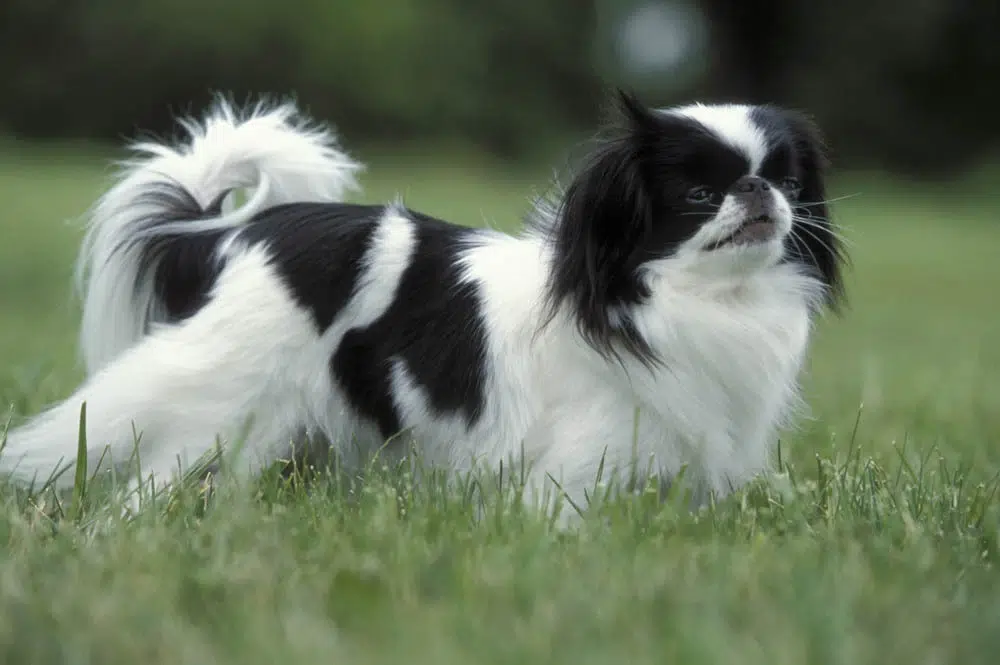
Japanese Chin: Grace in Miniature
The Japanese Chin, also known as the Japanese Spaniel, is a breed of dog known for its exquisite beauty and grace in miniature. This compact and elegant breed is appreciated for its amiable personality and distinctive appearance. In this section, we will delve into the world of the Japanese Chin and explore what makes it unique.- History and Origins: The Japanese Chin is an ancient breed with ties to companion dogs for centuries. They were once bred as pets for the Japanese nobility.
- Physical Appearance: Japanese Chins are small, well-proportioned, and delicate. They have an expressive face with large eyes and fringed ears. Their coat is silky, typically white with black and tan markings.
- Temperament: They are known for their gentle, amiable, and affectionate nature. They are sociable and enjoy being close to their owners. This breed is also known for its loyalty to its family.
- Health and Care: Japanese Chins are generally healthy, but they can be prone to certain conditions, including dental health issues due to their small size. Proper nutrition and dental care are important for their well-being.
- Training and Socialization: Japanese Chins are intelligent and responsive to training. They are also sociable, making them easy to socialize with other animals and strangers.
- As a Companion Dog: Japanese Chins make excellent pets for families and individuals alike. Their small size makes them suitable for apartment living, but they require moderate exercise and attention.
- The Chin in Japanese Culture: This breed is dear to the hearts of the Japanese due to its long history as a companion dog to the nobility. Their graceful appearance and charming personality make them cherished companions.

The Sakhalin Husky
The Sakhalin Husky, also known as the “Karafuto-Ken,” is a rare and precious breed of dog originating from the island of Sakhalin, located in the far east of Russia and north of Japan. This fascinating breed, which has survived in extreme climatic conditions, possesses unique characteristics that make it special. In this section, we will delve into the world of the Sakhalin Husky and explore what sets it apart.- History and Origins: The Sakhalin Husky gets its name from the island of Sakhalin, where it has been bred for centuries. It was used for hunting, sled pulling, and as a companion dog by the island’s inhabitants.
- Physical Appearance: Sakhalin Huskies are of medium size, well-muscled, and robust. Their coat is dense and double, coming in a variety of colors, including black, white, red, and brindle. They have upright ears and a bushy tail carried over their back.
- Temperament: Sakhalin Huskies are known for their friendly, gentle, and loyal nature. They are sociable and generally get along well with other dogs. They have a strong adaptability due to their origin in challenging environments.
- Health and Care: Sakhalin Huskies are generally healthy, but like all breeds, they can be prone to certain health conditions. They require regular exercise to stay fit and healthy.
- Training and Socialization: Sakhalin Huskies are intelligent and responsive to training. They also have a friendly temperament, making them easy to socialize with other dogs and strangers.
- As a Companion Dog: Sakhalin Huskies make excellent companion dogs for active families. They are loyal to their family and can form deep bonds with their owners.
- The Sakhalin Husky in Japanese Culture: Although the Sakhalin Husky is less well-known than some other Japanese breeds, it is appreciated in Japan for its history and friendly nature.
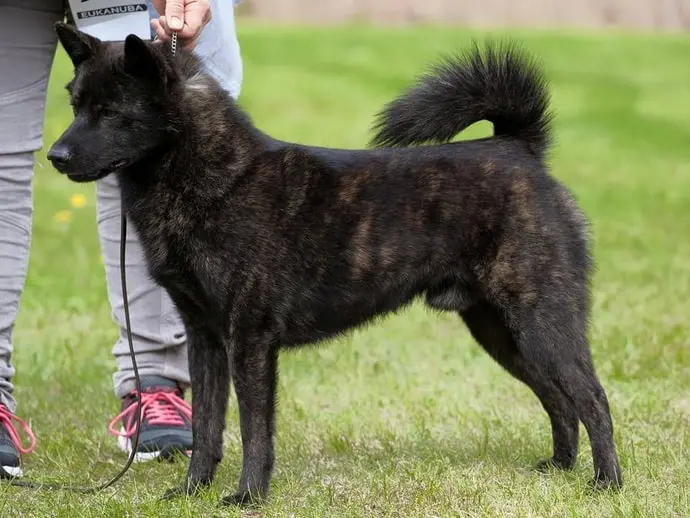
The Kai Toraken
The Kai Toraken, also known as the Kai Ken, is a Japanese dog breed that embodies determination and agility. Originating from the mountainous region of Kai in Japan, this breed is renowned for its ability to hunt game in challenging terrains. In this section, we will delve into the world of the Kai Toraken and explore its distinctive characteristics.- History and Origins: The Kai Toraken has ancient roots and was bred for hunting large game in the mountains of Yamanashi Prefecture. Its name comes from the Kai region where it was developed.
- Physical Appearance: Kai Toraken dogs are of medium size, well-muscled, and agile. They have an expressive head with almond-shaped eyes and upright triangular ears. Their dense coat is typically sesame, red, brindle, or black and tan in color.
- Temperament: Kai Toraken dogs are known for their reserved and independent nature. They are loyal to their families and make excellent guard dogs. Their agility and determination make them excellent hunters.
- Health and Care: Kai Toraken dogs are generally healthy, but like all breeds, they can be prone to certain health conditions. A balanced diet, exercise, and regular dental care are essential for their well-being.
- Training and Socialization: Kai Toraken dogs are intelligent but can be stubborn. Firm and consistent training is necessary to guide them. Early socialization helps them get along with other animals and strangers.
- As a Companion Dog: Kai Toraken dogs can make excellent pets for families that understand their independent nature. They are loyal to their families, although they may be wary of strangers.
- The Kai Toraken in Japanese Culture: This breed is appreciated in Japan for its loyalty and its history as a mountain hunting dog.
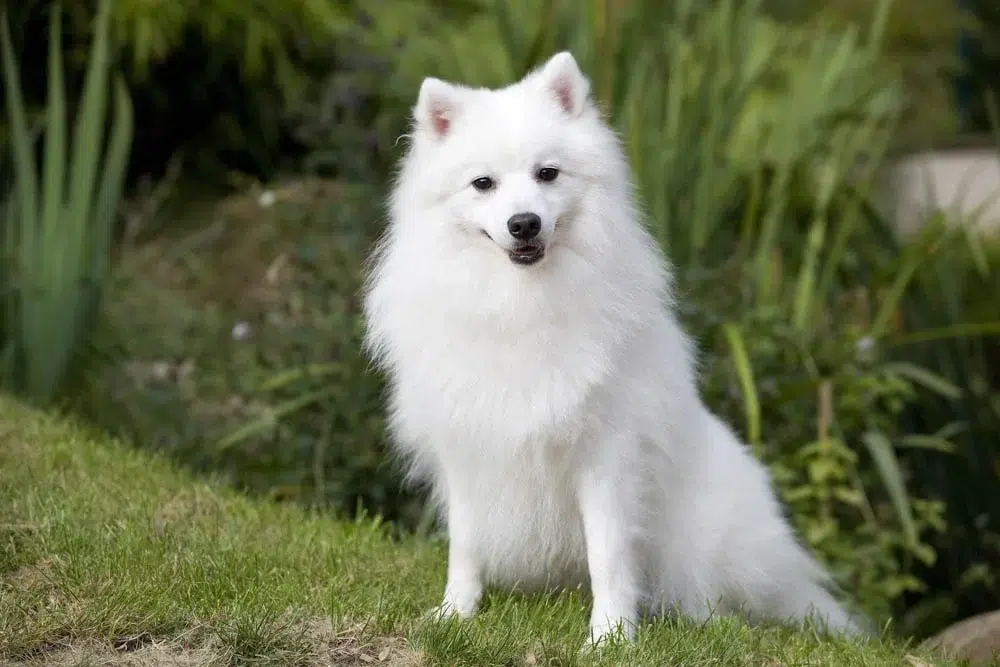
The Japanese Spitz
The Japanese Spitz is a miniature Japanese dog breed that shines with its beauty, elegance, and charm. With its distinctive appearance and endearing personality, it has won the hearts of dog enthusiasts worldwide.- History and Origins: The Spitz has ancient roots in Japan and is considered an indigenous breed. They were bred to be companion dogs by the Japanese nobility.
- Physical Appearance: They are small in size, well-proportioned, and elegant. They have an expressive head with almond-shaped eyes and upright ears. Their dense coat is pure white, which is one of their most distinctive features.
- Temperament: They are known for their lively, alert, and affectionate nature. They are sociable and enjoy being close to their owners. This breed is also known for its loyalty to its family.
- Health and Care: They are generally healthy, but like all breeds, they can be prone to certain health conditions. A diet suitable for their size and activity level is essential for their well-being.
- Training and Socialization: They are intelligent and responsive to training. They are also sociable, making them easy to socialize with other dogs and strangers.
- As a Companion Dog: They make excellent companion dogs for families and individuals. Their small size makes them suitable for apartment living, but they need moderate exercise and attention.
- The Japanese Spitz in Japanese Culture: This breed is dear to the hearts of the Japanese due to its long history as a companion dog for nobility. Their graceful appearance and charming personality make them cherished companions.
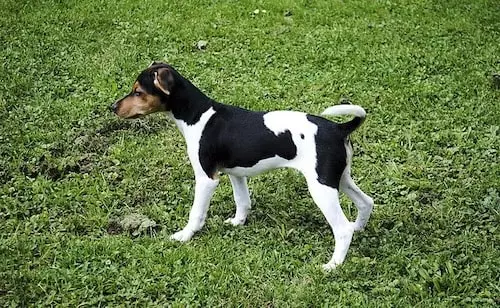
The Japanese Terrier
The Japanese Terrier, also known as Nihon Teria, is a miniature Japanese dog breed that combines small size with a lively and endearing personality. Despite its diminutive stature, the Terrier has a big heart and great affection for its owners. In this section, we will delve into the world of the Terrier and explore what makes it a special breed.- History and Origins: It is an ancient breed with roots in Japan for centuries. They were bred for hunting small nuisance animals in households and farms.
- Physical Appearance: They are small in size, well-proportioned, and agile. They have an expressive head with large eyes and upright ears. Their coat is short and dense, with various possible colors, including white, black and tan, brindle, and red.
- Temperament: They are known for their alert, intelligent nature and strong attachment to their owners. They are sociable and love to be at the center of the action. This breed is also known for its loyalty to its family.
- Health and Care: They are generally healthy, but like all breeds, they can be prone to certain health conditions. A diet suitable for their size and activity level is essential for their well-being.
- Training and Socialization: They are intelligent and responsive to training. They are also sociable, making them easy to socialize with other dogs and strangers.
- As a Companion Dog: They make excellent companion dogs for families and individuals. Their small size makes them suitable for apartment living, but they need moderate exercise and attention.
- The Japanese Terrier in Japanese Culture: Although the Terrier is not as well-known as some other Japanese breeds, it is appreciated in Japan for its endearing personality and its ability to protect households.

The Tosa Inu
The Tosa Inu, often simply called Tosa, is a Japanese canine breed known for its quiet strength and benevolent character. Originating from the island of Shikoku in Japan, the Tosa Inu is an imposing dog with a gentle personality, making it a unique breed. In this section, we will delve into the world of the Tosa Inu and explore what sets it apart.- History and Origins: The Tosa is the result of crossbreeding between local Japanese breeds and European breeds such as the Mastiff, Saint Bernard, and Bull Terrier. This breed was developed for dog fighting in Japan, although this practice is now illegal.
- Physical Appearance: They are large, muscular, and powerful. They have an imposing head with drooping ears and a straight tail. Their coat is short and dense, with a variety of possible colors, including red, brindle, black and tan.
- Temperament: Despite their imposing stature, they are known for their gentle, calm, and benevolent nature. They are loyal to their families and are often described as “gentle giants.” This breed has a high tolerance for children.
- Health and Care: Tosas are generally healthy, but they can be prone to certain health conditions, including hip dysplasia. A diet suitable for their size and activity level is essential for their well-being.
- Training and Socialization: Tosas are intelligent and responsive to training. A firm yet gentle approach to training is recommended. Early socialization helps them get along with other dogs and strangers.
- As a Pet: They make excellent companion dogs for families who appreciate their benevolent nature and high tolerance for children. They are loyal to their families and can form deep bonds with their owners.
- The Tosa in Japanese Culture: While the Tosa is known for its role in dog fighting, it is also appreciated in the Land of the Rising Sun as a companion and guard dog due to its loving and protective nature.
Our Products for Shiba Fans
Are you a true enthusiast of adorable Shibas? So are we! That's why we've carefully curated a range of products designed to delight all lovers of this breed.
Discover below our selection of unique and high-quality products, perfect for showcasing your love for Shibas or spoiling your loyal four-legged companion.



The Diversity of Coat Colors
Japanese dogs are distinguished not only by their physical characteristics and personalities but also by the diversity of their coat colors. Each Japanese breed exhibits unique variations of coat colors that add to their charm and beauty:
- Pure White: Many canines, such as the Japanese Spitz and Terrier, sport a pure white coat, symbolizing purity and elegance.
- Red: Red is a common color, including the Shiba and Tosa, symbolizing vitality and strength.
- Brindle: Shades of brindle, a mix of black stripes and background colors, can be found in breeds like the Kai Ken and Chinook.
- Black and Tan: Black and tan is an elegant combination found in breeds like the American Akita and Tosa.
- Sesame: Sesame coat, with pepper-and-salt specks on a red base, is characteristic of the Sakhalin Husky.
- Tiger-Striped: The Kai Ken is particularly known for its tiger-striped coat, with distinctive markings that evoke power and agility.
- Solid Black: Some Japanese breeds, such as the Chinook, may have a solid black coat, creating a striking contrast.
- Red and White: The blend of white and red is a popular combination in the Shiba Inu, creating a lively and dynamic appearance.
- Red Sesame: The Japanese Spitz can also have a sesame coat with a reddish hue.
Grooming and Care for Japanese Dog Breeds
Proper grooming and care are essential to maintain the health and appearance of Japanese dog breeds. Each breed has unique grooming needs due to differences in coat type, size, and activity level. In this section, we will explore key considerations for grooming and caring for Japanese dog breeds:Brushing and Coat Care
- Brushing is essential to prevent knots and remove dead hair. Double-coated breeds like the Akita Inu and Shiba Inu require regular brushing, especially during shedding seasons.
- For short-coated breeds like the Tosa Inu and Kai Toraken, a simple weekly brushing may suffice.
Bath
- Japanese breeds are generally clean dogs, and excessive bathing can degrade the quality of their coat. Baths should be given as needed, typically every few months or in case of dirt.
- Use a mild, dog-specific shampoo, and make sure to rinse thoroughly to avoid skin irritations.
Nail Care
- Regular nail trimming is important to prevent them from growing too long and causing discomfort. Be careful not to cut too close to the sensitive part of the nail.
- Active breeds like the Chinook and the Sakhalin Husky, which may naturally wear down their nails, may require less frequent trimming.
Dental Care
- Dental hygiene is vital for all dog breeds, including Japanese breeds. Regularly brushing your dog’s teeth can help prevent dental issues.
- Provide chew toys and dental treats to promote oral health and maintain clean teeth.
Ear cleaning
Dogs with floppy ears, such as the Japanese Spitz, can be prone to ear infections. Clean their ears regularly and monitor for signs of irritation or infection.
Exercise and Mental Stimulation
- Japanese canine breeds often have high energy levels and require regular exercise and mental stimulation to stay happy and healthy.
- Engage in activities like walks, playtime, and puzzle toys to keep them mentally and physically active.
Regular vet consultations
- Schedule routine veterinary visits to monitor your dog’s overall health and promptly address any medical issues.
- Ensure your dog is up-to-date on vaccinations and preventive care.
Proper nutrition
- Feed your Japanese dog a balanced diet suitable for their age, size, and activity level.
- Consult your veterinarian to determine the best dietary plan for your specific breed.
Japanese Dogs in Literature and Popular Culture
Dogs are not only faithful companions in everyday life, but they also hold a special place in Japanese literature and popular culture. Their presence in these domains reflects their significance in Japanese society and their status as cultural icons. In this section, we will explore how Japanese dogs have been celebrated in the literature and culture of Japan:In Japanese Literature
- Japanese literature is replete with stories featuring dogs, from folktales to contemporary works. These narratives often reflect the loyalty, faithfulness, and devotion associated with canines.
- Among classic works, we can mention “Hachiko Monogatari,” the true story of the dog Hachiko, who faithfully waited for his owner at Shibuya Station for years.
- Puppies, such as the Shiba Inu, have also inspired popular manga and novels, often appearing as main characters or companions to the heroes.
In Popular Culture
- They have become symbols of Japanese popular culture. The Shiba Inu, in particular, is famous for its cute appearance and has appeared in numerous advertisements, TV shows, and movies in Japan.
- The Japanese Chin, also known as Chin, has found its place in popular culture, appearing in artistic works and ukiyo-e prints.
- Japanese canines are also present in video games, with characters like Isabelle, a Shih Tzu, in the Animal Crossing game series.
In Japanese Art
- They have been depicted in Japanese art for centuries. Paintings, prints, and sculptures feature them, often surrounded by symbolism and cultural meanings.
- The motif of the dog is also frequently used in kimono art, especially in traditional Asian styles.
The presence of Japanese dogs in literature, popular culture, and art testifies to their special status in Japanese society. Their image as loyal and devoted animals continues to inspire and captivate people in Japan and around the world. These dogs, through their cultural representations, contribute to reinforcing the values of loyalty, fidelity, and compassion that are dear to Japanese culture.
A Picture is Worth a Thousand Words
In this video, you will see the 10 most popular Japanese dog breeds:Ambassadors of Culture and Tradition
Dogs are not just pets; they are ambassadors of Japanese culture and tradition. Their presence in various aspects of Japanese society reflects their importance as living symbols of Japan’s cultural heritage. They embody cultural values such as loyalty, perseverance, grace, and simplicity. Their natural beauty and faithful character have been celebrated through the centuries, whether in art, literature, religion, or even rituals. They have also played an essential role in Japanese society as guard dogs, hunting dogs, companions to monks, and guardians of temples. Their role in protecting property and people has been crucial, reinforcing their status as family members. Over the years, these breeds have evolved to meet the needs of Japanese society, but they have always retained their distinctive character and connection to Japanese culture. Today, Japanese canines continue to bring joy, companionship, and a deep connection to Japanese heritage to those who cherish them as four-legged friends. They are more than just pets; they are guardians of Japanese culture and tradition, reminding people worldwide of the core values of this rich and fascinating culture.The Importance of Preserving Japanese Canine Breeds: A National Treasure to Safeguard
Preserving Japanese canine breeds holds vital significance, extending far beyond the mere conservation of animal species. It is a complex and essential mission that encompasses various crucial aspects. Conservation of Genetic Diversity is fundamental. Preserving these breeds means safeguarding a genetic richness that ensures the long-term health and resilience of these dogs. Genetic variety helps combat inbreeding and prevent hereditary health issues, thereby ensuring their robustness. Safeguarding Cultural Heritage is equally paramount. Japanese canine breeds are deeply rooted in Japan’s history, tradition, and culture. Preserving these breeds means conserving a living cultural heritage that embodies Japanese values of loyalty, respect, and attachment to nature. Preventing Extinction is an urgent mission. Some Japanese canine breeds are critically endangered, threatened by a declining number of breeders and the influence of foreign breeds. Their disappearance would be an immeasurable loss both culturally and biologically. Maintaining Unique Traits and Characteristics is essential. Each Japanese canine breed possesses distinctive characteristics that make it unique, from the expressions of the Shiba Inu to the majestic strength of the Akita Inu. Preserving them ensures the integrity of these distinctive traits and their specific skills. Educational Outreach plays a central role. Informing the public about the importance of preservation stimulates demand and recognition for these breeds, encouraging breeders to engage in responsible breeding. Supporting Responsible Breeders is crucial. Breeders play an essential role in preservation by ensuring that puppies are raised in ideal conditions, following breed standards, thus preserving genetic quality and purity. Preservation Programs are collective efforts. Japanese breed organizations and clubs establish dedicated programs for the protection and promotion of endangered breeds. These programs include selective breeding and the promotion of dog registration, reinforcing preservation efforts. Preserving Japanese canine breeds is a multidimensional mission that transcends biological, cultural, and social domains. It is essential for preserving a national treasure, a heritage that continues to enrich Japanese culture and tradition while ensuring the health and genetic diversity of these unique breeds.



The Future of Japanese Canine Breeds: Reasons for Hope
Despite the challenges faced by efforts to preserve Japanese canine breeds, there are reasons to hope for a promising future for these unique and precious breeds. The commitment of breeders, organizations, and the public provides tangible hope for the preservation of these Japanese dogs. Increasing Awareness of the importance of preserving Japanese canine breeds is an encouraging first step. As the public becomes aware of the cultural heritage and genetic diversity at stake, interest in these breeds grows, which can support breeders and preservation programs. Responsible Breeders play a central role in preservation. Their dedication to responsible breeding, adherence to breed standards, and promotion of canine health contribute to ensuring genetic purity and lineage quality. Preservation Programs established by dedicated breed organizations and clubs also show positive results. These programs include selective breeding, registry enrollment, and protection of endangered breeds, contributing to their survival. International Collaboration plays an important role. Information and dog exchanges between breeders and organizations on an international scale can strengthen preservation efforts and contribute to expanding genetic diversity. Finally, the Passion of Japanese Dog Enthusiasts is an invaluable source of hope. Those who cherish these breeds and actively engage in their preservation are the guardians of the future of these dogs. The future of Japanese canine breeds ultimately depends on the collective commitment of all those who appreciate these dogs for their beauty, character, and cultural heritage. Through these combined efforts, it is entirely possible to ensure that these exceptional breeds continue to enrich Japanese culture and tradition for generations to come.Subscribe and save 20% on your first order 🎁
The Evolution of Japanese Dogs: Tradition and Adaptation
Over the centuries, Japanese dogs have undergone transformations while preserving their deep roots in Japanese tradition. The evolution of these breeds reflects the dynamic interaction between cultural heritage and changing societal needs. The Tradition of Hunting and Guarding is ingrained in the history of Japanese canine breeds. They were used for boar and deer hunting and for guarding property and temples. Although their practical roles have diminished over time, their hunting abilities and protective nature remain essential traits. The Evolution of Size and Morphology is also interesting. Some breeds, like the Shiba Inu, have become smaller to adapt to urban living spaces, while others, like the Akita Inu, have maintained their majestic stature. Adaptation to Modern Lifestyle is an important aspect of their evolution. They have become beloved pets in a changing world. Their affectionate nature and loyal behavior make them well-suited for family life and modern society. The Influence of Breed Standards has also contributed to shaping the evolution of these dogs. Breeders have worked to preserve the specific characteristics of each breed while ensuring they meet established standards. Interference from Foreign Breeds has sometimes had an impact on certain Japanese breeds, leading to unintentional crossbreeding and influencing their genetic evolution. They have evolved to meet the changing needs of society while preserving their distinctive character. Their history is a testament to the harmony between tradition and adaptation, making them cherished pets while maintaining their deep connection to Japanese culture.Essential Accessories and Equipment for Japanese Dogs
When adopting a Japanese dog, it’s essential to have the right accessories and equipment to meet their specific needs. These unique dogs deserve quality items to ensure their well-being and happiness. Here’s a list of essential accessories and equipment for Japanese dogs: 1. Collar and Leash: Choose a comfortable collar and a leash suitable for your dog’s size for walks and outings. 2. Food and Water Bowl: Ensure your dog has access to fresh water at all times. A durable stainless steel bowl is recommended. 3. Quality Food: Select food specially formulated for Japanese dogs’ needs. Consult your veterinarian for specific recommendations. 4. Comfortable Bed: Provide your dog with a comfortable bed where they can rest peacefully. 5. Interactive Toys: They are intelligent and active. Offer them interactive toys to stimulate them mentally. 6. Brushes and Grooming: Long-haired breeds like the Akita Inu may require regular grooming. Make sure you have appropriate brushes and tools. 7. Crate or Enclosure: A crate or enclosure can be useful for potty training and providing a safe space when you’re not at home. 8. Harness: For walks, a harness may be more comfortable than a collar, especially for breeds with a sensitive trachea. 9. Weather-Appropriate Clothing: They can be sensitive to extreme temperatures. Consider buying clothing to protect them from the cold in winter. 10. First Aid Kit: Prepare a first aid kit with essential items such as bandages, antiseptic solution, and scissors. 11. Travel Crate: For car or air travel, a travel crate that meets safety standards is necessary. 12. Toothbrush and Toothpaste: Dental grooming is important for your dog’s oral health. Use a dog-specific toothbrush and toothpaste. 13. Medications and Parasite Treatments: If your dog needs medication or parasite treatments, make sure you have them on hand. 14. License and Identification: Comply with local licensing laws and ensure your dog wears an identification tag with your contact information. Be sure to tailor these accessories and equipment to their specific needs based on their breed and lifestyle. Always consult a veterinarian for personalized recommendations on care and equipment for your precious canine companion.Travelling with Japanese dogs: Practical advice
Traveling with Your Japanese Dog: Practical Tips
Traveling with your Japanese dog can be a rewarding experience, whether it’s for a weekend getaway or an extended journey. However, it requires careful planning to ensure your faithful companion’s comfort and safety. Here are some practical tips for traveling with them:
1. Prepare Necessary Documents: Before you depart, ensure your dog is up-to-date on vaccinations and has the required travel documents, including a health certificate issued by your veterinarian.
2. Identify Your Dog: Make sure your dog wears an identification tag with your contact information in case they get lost during the trip. Microchipping is also a recommended option.
3. Secure Transport: Use a travel crate or a specially designed seat belt to ensure their safety in the car. Avoid letting your dog roam freely in the vehicle.
4. Plan Frequent Stops: They often need breaks to exercise and relieve themselves. Plan frequent stops to walk them and let them relax.
5. Bring Essentials: Pack enough food, water, bowls, familiar toys, and medications for the duration of the trip. Familiarize yourself with regulations regarding the transportation of pet food in the areas you will pass through.
6. Pet-Friendly Accommodation: Book accommodations that accept dogs. Contact them in advance to confirm their pet policies.
7. Follow Local Rules: Learn about local rules regarding dogs in public places and on beaches. Keep your dog on a leash when required.
8. Protect Against Parasites: Depending on your destination, protect your dog against local parasites by using appropriate anti-parasitic treatments.
9. Be Prepared for Emergencies: Keep a pet first-aid kit on hand for your dog in case of injury or illness during the trip.
10. Plan Dog-Friendly Activities: Look for dog-friendly activities and places where your dog can join you. This can include parks, hiking trails, and dog-friendly beaches.
11. Keep Them Comfortable: Ensure your dog is comfortable during the journey by protecting them from extreme temperatures, providing a familiar bed or blanket, and avoiding leaving them alone in an unfamiliar environment.
12. Maintain Their Routine: As much as possible, stick to your dog’s routine in terms of meal times, walks, and relaxation.
Traveling with your dog requires organization, patience, and attention to your pet’s needs. By following these tips, you can ensure that your Japanese dog fully enjoys the adventure while staying safe and healthy.
International Travel: Important Tips
If you plan to travel internationally with your Japanese dog, it’s essential to prepare thoroughly to ensure a smooth journey while adhering to local regulations. Here are some important tips to consider when traveling abroad with your dog:
1. Advance Planning: Start planning your trip well in advance. Research the import requirements of the destination country, including vaccines, health certificates, and necessary documents.
2. Vaccinations and Certificates: Ensure your dog is up-to-date on vaccinations, including those required in the destination country. Obtain all necessary vaccination and health certificates as required by local authorities.
3. Pet Passport: In the European Union and other countries, a pet passport is often required. Make sure to obtain this document from your veterinarian.
4. Identification: Your dog should be properly identified. Ensure they have a microchip and wear an identification tag with your contact information.
5. Quarantine: Familiarize yourself with the quarantine rules of the destination country. Some countries may require a quarantine period upon arrival, while others do not.
6. Secure Transport: Choose an appropriate and safe mode of transportation for your dog. If traveling by air, familiarize yourself with the airline’s regulations regarding pet transport.
7. Travel Comfort: Ensure your dog travels in comfort. Bring their familiar toys, regular food, and a familiar bed or blanket to reassure them.
8. Customs Checks: Be prepared for customs checks upon arrival in the destination country. Have all required documents readily accessible.
9. Adaptation to the New Environment: Once you arrive at your destination, give your dog time to adapt to their new environment. Comply with local laws and ensure their safety.
10. Consult a Local Veterinarian: Before departure and after arrival, consult a local veterinarian to ensure your dog’s health and become familiar with available veterinary care at your destination.
Traveling internationally with your pet can be a rewarding experience, but it requires careful planning. Make sure you fully understand the requirements of the destination country and take all necessary steps to ensure the health and safety of your precious canine companion during the journey.
Dog sports and competitions for Japanese dogs

Aiko & Lucas
In the car, off to Saint Gaudens, to get a Shiba Inu. That's where I first saw Aïko at a breeding place called "La maison du Shiba."
It was the beginning of an incredible adventure, and today, Aïko is a traveling Shiba: 🇫🇷 🇧🇪 🇨🇦
And no, it's not a joke!
I'm Lucas Fonseque, a digital nomad and SEO expert consultant. Besides work in my life, I have my Shiba Inu whom I love more than anything: Aïko 🦊 ❤️
Allergies
Like all dog breeds, they can trigger allergies in some people. Dog allergies are typically caused by proteins present in a dog’s saliva, fur, dead skin, and sebaceous gland secretions. While they tend to be less allergenic than some other breeds, it’s essential to understand the allergies associated with them and the measures you can take to manage them. Here’s what you need to know about these allergies: 1. Allergic Reactions: Symptoms of dog allergies can vary from person to person, but they often include sneezing, itching, rashes, watery eyes, nasal congestion, and asthma. These symptoms are triggered by the presence of allergenic particles in the air or direct contact with the dog. 2. Less Allergenic Breeds: They tend to produce fewer dander and allergenic secretions than some other breeds. However, this does not mean they cannot cause allergies, as each person reacts differently. 3. Measures to Reduce Allergens: If you are allergic to dogs but still want to have one, here are some measures you can take to reduce allergens:- Brush and bathe them regularly to remove fur and dander.
- Use air purifiers with HEPA filters to reduce allergenic particles in the air.
- Frequently wash sheets, rugs, and cushions they use.
- Limit their access to certain areas of the house, such as the bedroom.
Animal Therapy
Japanese dogs, such as the Shiba Inu, Akita Inu, and other breeds, have demonstrated that they can be exceptional partners in the field of animal therapy. Animal therapy, also known as animal-assisted therapy or pet therapy, involves using animals, in this case, dogs, to improve the mental, emotional, and physical health of individuals. Here’s how they contribute to providing comfort and well-being in the context of animal therapy: 1. Providing Calm and Comfort: They are often described as calm, serene, and attentive. Their peaceful presence can help soothe anxious or stressed individuals, creating an environment conducive to relaxation and comfort. 2. Emotional Stimulation: Interacting with a dog can stimulate positive emotions. Their unconditional attachment and affection can assist patients in developing a sense of trust and self-esteem. 3. Encouragement of Physical Activity: They also enjoy moderate physical activity. They can encourage patients to get outside, take walks, and engage in some exercise, which can be beneficial for their physical and mental health. 4. Stress and Anxiety Reduction: Interactions have been associated with a reduction in stress and anxiety. Spending time with animals can promote the release of endorphins, which has a relaxing effect on the body and mind. 5. Therapy for the Elderly: Japanese dogs, due to their gentle and caring nature, are often used in nursing homes and senior centers to bring joy and companionship to residents. 6. Assistance for Children and Adolescents: They can be excellent companions for children and adolescents with emotional or behavioral disorders. Their soothing presence can facilitate openness and communication. 7. Specific Tasks: Some are trained for specific therapy tasks, such as visiting hospitalized patients or participating in emotional support programs. Japanese dogs used in animal therapy must undergo special training and certification to ensure the safety and well-being of patients. Their natural gentleness, calmness, and affection make them excellent candidates for these essential roles in the field of animal therapy, providing comfort and well-being to those in need.Legends and Myths
They are at the heart of many legends and myths that reflect the cultural significance of these breeds in Japanese society. Here are some of the most famous legends and myths: 1. Hachiko, the Loyal Dog: The story of Hachiko is one of Japan’s most moving legends. Hachiko was an Akita Inu who waited for his deceased owner at Shibuya Station for nearly ten years. His unwavering loyalty made him a universal symbol of faithfulness and unconditional love. 2. The Mountain Shiba Inu: A legend tells that Shibas were once wild creatures living in the Japanese mountains. They were known for their agility and hunting abilities. Over time, they drew closer to humans and became domesticated animals. 3. The Okinawan Shisa: Although Shisas are mythical dog-like creatures, they are deeply rooted in Okinawan culture. It is said that these dog-like statues guard homes and temples by warding off evil spirits. 4. Guardian Dogs: Many sculptures and statues of dogs, called “komainu” or “komainu inu,” are placed in front of temples and shrines in Japan. These guardians are believed to protect sacred places and ward off malevolent spirits. 5. The Shiba and Boar Hunting: Shibas were once used for boar and bird hunting in Japan. One legend tells of a fearless Shiba that saved a village by killing a giant boar that was terrorizing the community. 6. The Shiba and the Hidden Treasure: A popular legend suggests that Shibas hide a mysterious treasure within their chest. To obtain this treasure, one would need to show kindness and compassion toward the dog. These legends and myths bear witness to the cultural significance and deep affection that the Japanese hold for their dogs, especially the Japanese breeds. They capture the fascination with loyalty, bravery, and the profound connection between dogs and humans, making Japanese dogs icons of Japanese culture and tradition.Conclusion
The love for Japanese dogs, such as the Shiba Inu, Akita Inu, and many others, transcends geographical and cultural boundaries. These dog breeds capture hearts with their beauty, unique character, and rich heritage of legends and traditions. In Japan and around the world, they are celebrated for their unwavering loyalty, intelligence, and ability to bring joy into people’s lives. Touching stories like that of Hachiko, the faithful dog who waited for his owner for years at Shibuya Station, embody the deep connection that can exist between humans and their four-legged best friends. Japanese dogs are more than just pets; they are family members, guardians of sacred temples, hunting companions, and ambassadors of Japanese culture. Whether in the field of animal therapy, canine sports competitions, or simply as life companions, they continue to win the hearts of people worldwide. Their presence brings comfort, joy, and eternal love. In the end, the love for Japanese dogs transcends time and borders, leaving an indelible mark on our hearts and our culture.FAQ
What's the most beautiful Japanese canine?
The beauty of a dog is subjective and depends on individual preferences. Japanese dogs like the Shiba Inu, Akita Inu, Shikoku, Kishu Ken, and others are admired for their unique appearance and distinctive characteristics. The “most beautiful” Japanese dog, therefore, varies from person to person based on their personal tastes. Each of these breeds has its own unique allure and charms.
How much does a Japanese dog cost?
Its price varies depending on the breed and the breeder, but on average, it can cost between $1,000 and $3,200.
Why is the Hachiko dog so famous in Japan?
Hachiko is famous in Japan for his extraordinary loyalty to his deceased owner, whom he waited for at Shibuya Station for nearly ten years. This touching story of love and loyalty moved the Japanese people and has become a symbol of unconditional devotion.
How do I adopt a dog in Japan?
To adopt a dog in Japan, start by researching shelters or animal rescue organizations in your area. Contact them to gather information about dogs available for adoption. Visit the shelter to meet the dogs and choose the one that best suits your lifestyle. Fill out adoption application forms, provide the required documents, and wait for the shelter’s response.
If your application is accepted, pay the adoption fees and sign an adoption contract. Then, take care of your new companion by providing a loving home, appropriate food, veterinary care, and affection. Also, make sure to adhere to all local laws and regulations regarding pets. Adopting a dog in Japan is a rewarding process that can offer a new life to a dog while enriching your own.
How to clean a Japanese canine's ears?
To clean a Japanese dog’s ears, gather supplies such as dog-specific ear cotton swabs and veterinary ear cleaning solution. Choose a quiet area to work in. Before you begin, ensure your dog is relaxed and calm by rewarding them with treats.
Visually examine their ears for any abnormalities. Then, gently apply the ear cleaning solution and massage the base of the ear to distribute it. Use a cotton swab to gently wipe the inside of the ear. Avoid pushing the cotton swab too far to prevent injuring the ear. Reward your pup for good behavior.
Repeat the process as needed, following your veterinarian’s recommendations. Keep an eye out for persistent signs of infection or irritation and consult your vet if necessary. Proper ear cleaning helps maintain the health of your Japanese dog.