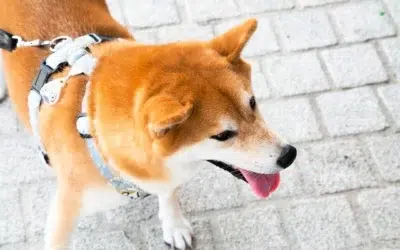
Shiba Inus are fascinating dogs with complex personalities and subtle body language. Understanding your Shiba Inu’s body language is crucial for establishing effective communication and a harmonious relationship with your four-legged companion.
In this article, we will delve into the world of Shiba Inu body language and provide you with tips on how to decode their signals.
Happy reading!
The Curled Tail
One of the distinctive features of Shiba Inus is their characteristic curled tail. A curled tail often indicates that the dog is curious or attentive. The higher and more curled the tail, the more excited the Shiba is likely to be. However, when the tail is low or between the legs, it can signify submission or discomfort.
Pointed Ears
Shiba Inu’s pointed ears are an indicator of their level of attention. If the ears are erect and forward-facing, the Shiba is likely paying attention to something. Conversely, ears slightly tilted to the side can indicate relaxation.
Yawning
Yawning in a Shiba Inu doesn’t necessarily mean they are tired. It is often a sign of stress or discomfort. If you notice your Shiba yawning frequently in certain situations, it may indicate that they are feeling tense.
The Eyes
The eyes are a window to your Shiba Inu’s soul. A direct and steady gaze can signify confidence, while averting the gaze may indicate a preference to avoid conflict or confrontation.
Body Movements
Your Shiba Inu’s overall body language is also important. A relaxed Shiba will have a fluid and easy posture. On the other hand, if they stiffen, assume a submissive position, or start trembling, it can indicate stress or anxiety.
Vocalizations
Shiba Inus are not known to be noisy dogs, but they can emit specific vocalizations. Growls or short barks can be a sign of irritation or alertness. Paying close attention to these vocalizations can help you understand what’s on your Shiba’s mind.
The Importance of Communication
Understanding your Shiba Inu’s body language is essential for establishing effective communication. By responding appropriately to their signals, you can strengthen your relationship and help your Shiba feel safe and understood. When you understand their body language, you can anticipate their needs and avoid stressful situations, making life with your Shiba Inu even more enjoyable.
Conclusion
Shiba Inus are dogs with subtle yet meaningful body language. By closely observing their tail, ears, eyes, body movements, and vocalizations, you can better understand your Shiba Inu’s feelings. This understanding will help you address their emotional needs and strengthen your bond with this exceptional dog. Take the time to learn your Shiba Inu’s body language, and you will be rewarded with a closer and more fulfilling relationship with your loyal companion.